
 Ridwan Kamil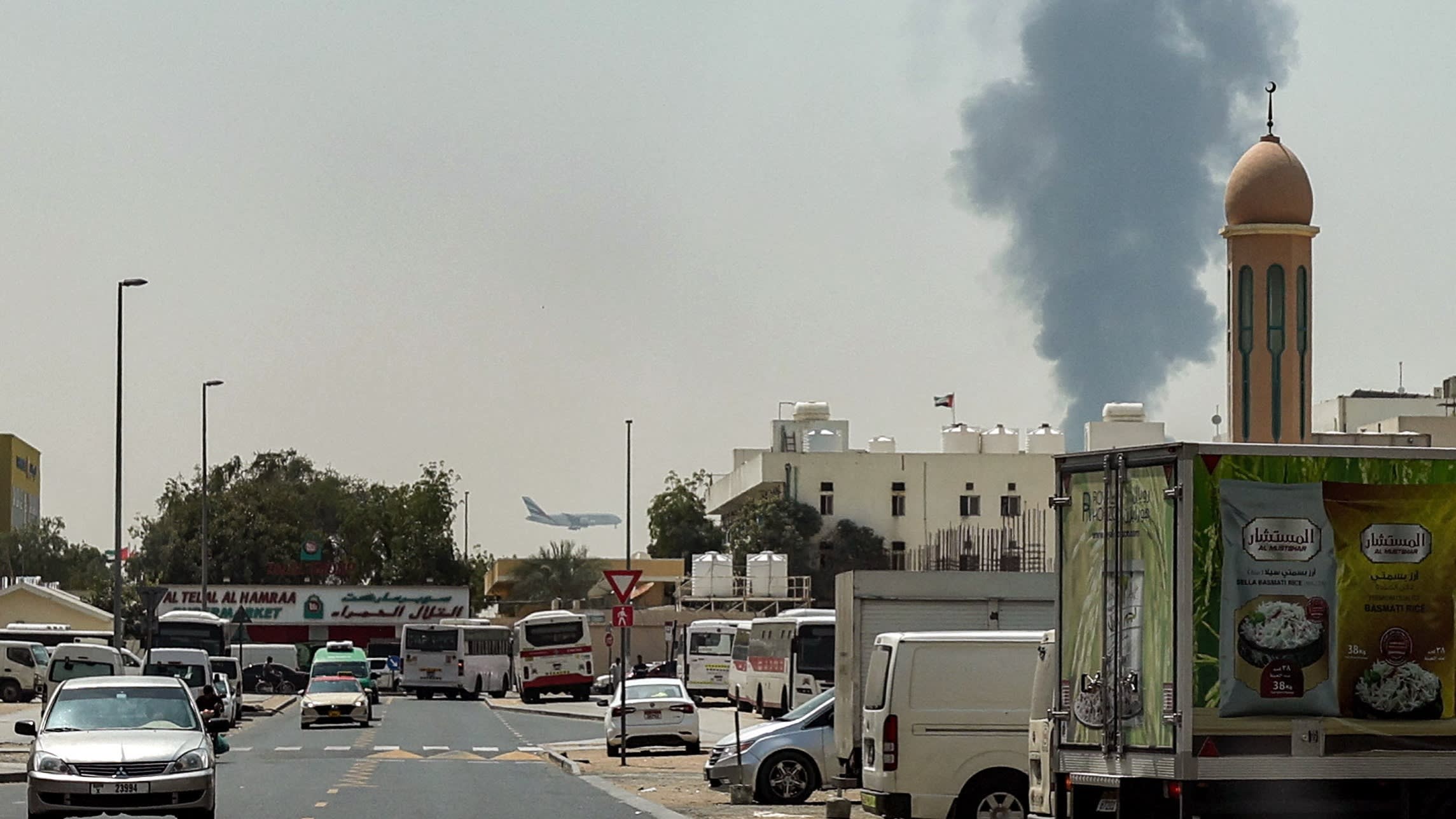
A recent drone intrusion near Dubai International Airport (DXB) necessitated the temporary rerouting of several Emirates airline flights, underscoring the persistent security challenges posed by unmanned aerial systems to critical global infrastructure. The incident, which occurred during a period of significant air traffic, triggered immediate operational adjustments to ensure the safety of passengers and ongoing flight schedules. While specific details regarding the origin and nature of the drone remain undisclosed, the event highlights the evolving threat landscape for major international airports and the strategic imperative for robust counter-drone measures.
The airspace over one of the world’s busiest travel hubs experienced a brief but impactful disruption, leading to immediate operational adjustments for Emirates, a flagship carrier of the United Arab Emirates. The incident, which involved a reported drone sighting in the vicinity of Dubai International Airport (DXB), triggered a precautionary response from aviation authorities. This led to a temporary diversion of a number of inbound Emirates flights, rerouting them to alternative airports or holding them in the air until the airspace was deemed secure. While the duration of the disruption was relatively short, the event serves as a stark reminder of the vulnerabilities that even sophisticated air traffic control systems face in the age of increasingly accessible drone technology. The immediate priority for airport security and airline operations was to mitigate any potential risks to ongoing flights and ensure the continued safe operation of DXB.
Background Context: Dubai’s Aviation Prowess and Emerging Threats
Dubai International Airport (DXB) stands as a testament to the UAE’s ambitious vision for global connectivity. Consistently ranked among the world’s busiest airports for international passenger traffic, DXB serves as a crucial nexus for global travel and commerce, facilitating millions of journeys annually. Its strategic location, state-of-the-art infrastructure, and the operational efficiency of its flagship carrier, Emirates, have cemented its status as a premier aviation gateway. However, this prominence also makes it a potential target for a range of security threats, including the growing concern posed by unmanned aerial systems (UAS), commonly known as drones.
The proliferation of drones, ranging from hobbyist devices to more sophisticated commercial and military-grade platforms, has introduced a new dimension of risk to aviation. Drones operating in proximity to airports can pose a significant hazard through potential mid-air collisions, disruption of air traffic control communications, or even as a vector for malicious payloads. Airports worldwide have been grappling with this evolving threat, implementing various strategies to detect, track, and neutralize unauthorized drone activity. The incident at DXB, while specific in its occurrence, is part of a broader global trend that necessitates continuous vigilance and adaptation within the aviation security framework.
Operational Repercussions and Mitigation Strategies
The immediate aftermath of the drone sighting involved the activation of airport security protocols. Air traffic control, in coordination with airport security personnel and relevant government agencies, likely implemented a temporary suspension or restriction of arrivals and departures. This measure, while disruptive, is a standard operating procedure designed to prevent any potential airborne conflict or accident. Emirates, as a primary operator at DXB, would have been directly impacted, with flight planning and operational teams working to re-accommodate passengers and aircraft.
The rerouting of flights typically involves diverting inbound aircraft to nearby suitable airports, such as Al Maktoum International Airport (DWC), also located in Dubai, or other regional hubs. This process requires careful coordination to manage the influx of diverted aircraft, ground handling services, and passenger transfers. Airlines also face the logistical challenge of rescheduling subsequent flights that would have been operated by the diverted aircraft, potentially leading to cascading delays across their networks.
In the longer term, such incidents invariably prompt a review and enhancement of existing security measures. This can include the deployment of advanced drone detection systems, such as radar, electro-optical sensors, and radio frequency (RF) detectors. Counter-drone technologies, including jammers or interceptors, may also be considered as part of a comprehensive strategy to mitigate the threat. Furthermore, enhanced surveillance of the airspace surrounding the airport, including the implementation of no-fly zones and increased patrols, becomes crucial. Collaboration between airport authorities, airlines, and national security agencies is paramount in developing and executing effective counter-drone strategies.
Broader Implications for Aviation Security and Geopolitics
The drone incident at Dubai’s airport carries significant implications beyond the immediate operational disruption. It underscores the persistent and evolving nature of security threats to critical infrastructure in the Middle East and globally. The region, characterized by its strategic importance and geopolitical complexities, is particularly sensitive to any actions that could destabilize its vital economic and transportation networks.
The use of drones in such sensitive areas raises questions about the actors involved and their motivations. While the official statements often remain circumspect, the potential for state-sponsored or non-state actor involvement cannot be entirely discounted. Such incursions can be interpreted as a demonstration of capability, a deliberate act of provocation, or an attempt to disrupt economic activity. Regardless of the intent, the incident serves as a reminder of the need for robust intelligence gathering and threat assessment capabilities.
From a broader aviation security perspective, this event reinforces the necessity of a multi-layered approach. This includes not only technological solutions for drone detection and mitigation but also effective regulatory frameworks, international cooperation, and robust intelligence sharing. The International Civil Aviation Organization (ICAO) and national aviation authorities worldwide are continuously working to develop guidelines and standards for managing drone operations in proximity to airports. However, the dynamic nature of drone technology and its accessibility mean that these frameworks must be continually updated and adapted.
The economic impact of such disruptions, even if temporary, can be substantial. Airlines incur costs associated with flight diversions, passenger compensation, and rescheduling. Airports can experience significant congestion and operational inefficiencies. For a global hub like Dubai, which relies heavily on its aviation sector to drive tourism and trade, any threat to its operational integrity can have far-reaching economic consequences.
Expert Analysis and Future Outlook
Aviation security experts have long cautioned about the growing threat posed by drones. Dr. Anya Sharma, a leading authority on aviation security, notes, "The incident at DXB is not an isolated event but rather a symptom of a global challenge. Drones offer a relatively low-cost and accessible means to disrupt critical infrastructure. Airports, with their large open spaces and high air traffic density, are particularly vulnerable. The key going forward will be the seamless integration of detection, tracking, and neutralization capabilities, coupled with effective intelligence sharing and robust legal frameworks."
The future outlook for managing drone threats in aviation points towards an increased reliance on artificial intelligence (AI) and machine learning for sophisticated detection and predictive analysis. AI can analyze vast amounts of data from various sensors to identify anomalous drone behavior and potential threats with greater accuracy and speed. Furthermore, advancements in counter-drone technology, including directed energy weapons and more sophisticated drone interception systems, are likely to play an increasingly important role.
However, the development and deployment of such technologies must be balanced with considerations of privacy, ethical implications, and the potential for escalation. International collaboration will be crucial in establishing norms of behavior in the airspace and developing common standards for counter-drone operations. The incident at DXB serves as a critical juncture, urging a renewed commitment to proactive security measures and strategic foresight in safeguarding the future of air travel. The continued evolution of drone technology necessitates a perpetual state of adaptation and innovation within the aviation security domain to ensure the safety and reliability of global air transportation networks.




 Safa Marwah
 Aura Kasih
 Lisa Mariana
 Ayu Aulia