Aura Kasih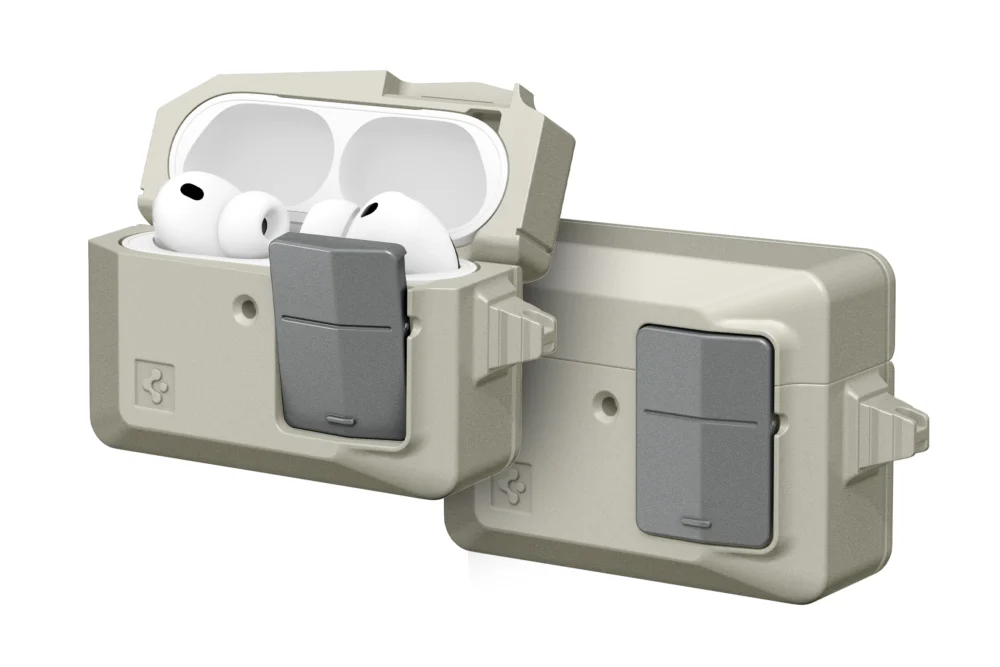
In a striking fusion of contemporary technology and pioneering digital history, accessory manufacturer Spigen has unveiled a new protective case for the AirPods Pro 3 that pays homage to one of the most influential peripherals of the personal computing era: the original Apple Macintosh mouse. This innovative accessory transforms the sleek, modern charging case for Apple’s premium wireless earbuds into a miniature, stylized replica of the iconic, single-button mouse that accompanied the groundbreaking Macintosh 128K. This deliberate design choice taps into a growing trend of retro-inspired tech aesthetics, allowing users to showcase their appreciation for computing’s formative years while safeguarding their latest audio devices.
The development of this unique AirPods Pro 3 case arrives on the heels of Spigen’s previously released Classic LS collection, which offered iPhone 17 Pro and Pro Max users protective shells inspired by the distinct visual language of early Apple computers like the Macintosh 128K and the Apple Lisa. By extending this retro theme to the AirPods Pro 3, Spigen is providing consumers with a cohesive ecosystem of accessories that celebrate the aesthetic lineage of Apple’s technological revolution. This strategy not only appeals to nostalgic consumers but also positions Spigen as a brand that understands and caters to a specific segment of the tech market that values both form and historical significance.

The $29.99 Classic LS AirPods Pro 3 case is meticulously engineered to replicate the form factor of the original Macintosh mouse. It comprises two distinct pieces: one that envelops the bottom portion of the AirPods Pro 3 charging case and another that attaches to the hinged lid. This dual-component design ensures comprehensive protection while maintaining the functionality of the original charging case. Crucially, even with the retro exterior, the case allows for the seamless opening and closing of the AirPods Pro 3 charging lid, preserving the user experience. Furthermore, access to the essential USB-C charging port and the device’s status LED remains unobstructed, ensuring that utility is not sacrificed for style.
One of the clever design elements of the Spigen case is its integration of a prominent, gray button, mirroring the single button of the Macintosh mouse. This button, while purely aesthetic in its resemblance to the original input device, serves a practical purpose: it acts as a locking mechanism. This feature is designed to prevent the AirPods Pro 3 charging case from inadvertently opening, thereby safeguarding the earbuds from accidental dislodgement or loss. While the case itself does not offer any functional mouse capabilities, its tactile and visual resemblance to the original hardware evokes a strong sense of nostalgia. Additionally, Spigen has incorporated a lanyard connector into the design, acknowledging that the original charging case’s lanyard attachment point is obscured by the retro casing. This thoughtful addition enhances the portability and security of the AirPods Pro 3.
The appeal of such retro-inspired accessories extends beyond mere novelty. It speaks to a broader cultural phenomenon where individuals seek to connect with the past through tangible objects, especially in an increasingly digital and ephemeral world. The Macintosh mouse, in particular, represents a pivotal moment in human-computer interaction. Its introduction in 1984, alongside the Macintosh computer, democratized computing by offering an intuitive, graphical user interface that replaced complex command-line operations. This innovation made computers accessible to a wider audience, fundamentally changing how people interacted with technology and paving the way for the digital landscape we inhabit today. Spigen’s case, therefore, serves not just as a protective layer but as a miniature tribute to this transformative period.

The Classic LS collection further demonstrates Spigen’s commitment to this retro aesthetic. Complementing the iPhone and AirPods cases is a MagSafe-compatible wallet designed to echo the visual cues of the early Macintosh. This wallet can be affixed to any Qi2-compatible device or accessory, or it can be used independently. However, this particular item leans heavily into the "form over function" paradigm. The $29.99 wallet, constructed from rigid plastic, has a limited capacity, typically accommodating only three cards. This constraint, while consistent with the compact design philosophy of early personal computers, may prove restrictive for users accustomed to carrying more. The inherent rigidity of the material makes it difficult to expand its capacity beyond its intended limit, a stark contrast to the more accommodating designs found in modern wallets.
The collection is rounded out by a $19.99 lanyard, also inspired by the aesthetic of the Macintosh 128K. This lanyard is notably short, designed primarily for wrist wear. In an era where longer crossbody phone straps have gained considerable popularity for their convenience and versatility, Spigen’s choice of a shorter lanyard might be perceived as a missed opportunity to fully embrace contemporary trends in wearable tech accessories. The trend towards crossbody phone straps, as seen with innovations from brands like UGREEN, highlights a desire for hands-free convenience and integrated device carrying that goes beyond mere wrist loops. This aspect of the Classic LS collection suggests that while Spigen is adept at capturing historical aesthetics, its interpretation of modern usability trends may require further refinement.
The broader implications of Spigen’s strategy are significant for the accessory market. By identifying and catering to a niche demand for retro-inspired tech products, the company is demonstrating a keen understanding of consumer psychology and market segmentation. This approach allows for differentiation in a crowded market, offering products that resonate with consumers on an emotional and historical level, in addition to their practical utility. The success of such collections can inspire other manufacturers to explore similar nostalgic themes, potentially leading to a resurgence of retro design elements across various technology sectors.

Looking ahead, the continued popularity of retro aesthetics in technology suggests a fertile ground for further innovation. As new generations of smart devices emerge, there will likely be an ongoing appetite for accessories that bridge the gap between past and present. Manufacturers that can successfully blend iconic historical designs with modern functionality and material science will be well-positioned to capture the attention of a discerning consumer base. The challenge lies in striking the right balance – ensuring that the aesthetic tribute does not compromise the core functionality or user experience of the devices they are designed to protect and enhance. Spigen’s current offerings, particularly the AirPods Pro 3 case, represent a strong step in this direction, offering a compelling blend of nostalgia, protection, and thoughtful design. The ongoing evolution of such products will undoubtedly be shaped by consumer feedback and the continuous innovation within the tech accessory industry, ensuring that the legacy of pioneering design continues to influence the gadgets of tomorrow.




 Lisa Mariana
 Ayu Aulia
 Ridwan Kamil
 Safa Marwah