Aura Kasih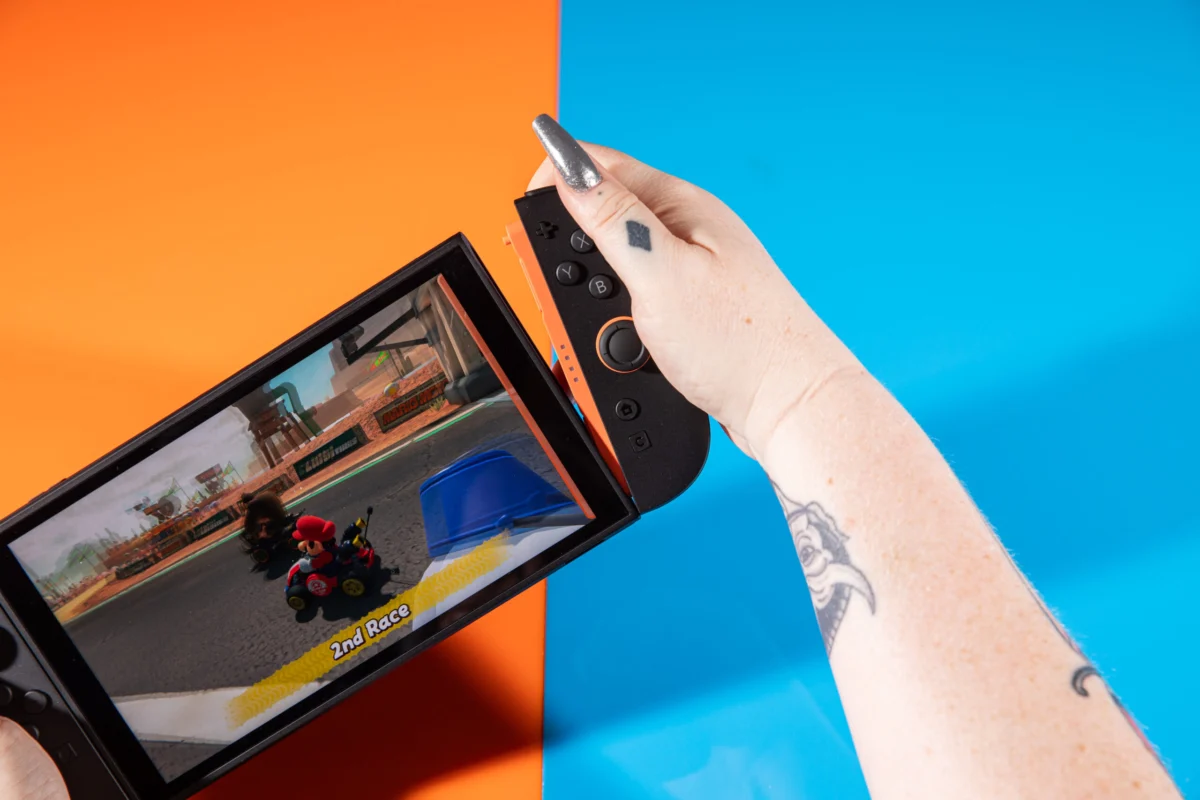
Recent reports suggest a significant shift in Nintendo’s hardware philosophy for its next-generation console, the Switch 2, with a forthcoming European Union revision specifically designed to facilitate user-replaceable batteries, potentially ushering in an era of enhanced device longevity and consumer empowerment. This strategic pivot, driven by evolving regulatory landscapes and a growing consumer demand for sustainable and repairable electronics, positions the Switch 2 not just as a successor to a beloved gaming platform, but as a trailblazer for a more responsible approach to consumer electronics manufacturing.
The impetus for this change appears to be directly linked to upcoming European Union legislation, slated to take effect in February 2027. This directive mandates that portable electronic devices must allow consumers to easily replace their batteries. Nintendo’s proactive adaptation, with the Switch 2 revision planned for release "soon" within the EU, indicates a commitment to adhering to these regulations and potentially preempting similar legislative efforts in other global markets. The report from Nikkei specifies that both the main console unit and its detachable Joy-Con controllers will feature user-accessible batteries, a departure from the current Switch model which requires a more involved disassembly process to service its internal power source. This move acknowledges the growing global discourse around the "right to repair" and the environmental impact of disposable electronics.
Historically, the consumer electronics industry, particularly in the realm of gaming consoles, has leaned towards integrated, often sealed, designs. This approach, while contributing to sleeker aesthetics and potentially water or dust resistance, has inadvertently fostered a culture of obsolescence. When a device’s battery degrades, a common symptom of aging electronics, users have often been faced with limited options: expensive professional repairs, premature console upgrades, or simply diminished performance due to reduced battery life. The original Nintendo Switch, lauded for its hybrid portability, offered a glimpse into the challenges of battery degradation, with many users experiencing a noticeable decline in playtime over time. The current Switch 2, while not yet officially detailed beyond these rumors, appears poised to break this cycle for its European audience.
The implications of user-replaceable batteries extend far beyond mere convenience. Firstly, it directly addresses the environmental concern of e-waste. By enabling users to extend the lifespan of their consoles through simple battery swaps, Nintendo can significantly reduce the number of discarded devices. A degraded battery, often the first component to fail significantly in a portable electronic, can render an otherwise functional device unusable. Empowering users to replace this component cheaply and efficiently transforms the console from a disposable commodity into a more enduring investment. This aligns with broader sustainability initiatives and consumer trends that prioritize longevity and reduced environmental footprints.
Secondly, this decision represents a significant boon for consumers, particularly those who invest heavily in their gaming hardware. The ability to maintain optimal battery performance throughout the console’s lifecycle means consistent gaming experiences without the frustrating limitations of a dwindling charge. For players who frequently utilize the Switch 2 in its portable mode, this feature is paramount. It allows for uninterrupted gaming sessions on commutes, during travel, or simply while relaxing away from a power outlet. Furthermore, it opens up possibilities for third-party accessory manufacturers to develop and offer high-capacity or specialized replacement batteries, potentially offering users even greater customization and extended playtime beyond the original specifications.

The decision to implement user-replaceable batteries exclusively within the EU, as reported, is a nuanced one. While it ensures compliance with regional regulations, it also highlights the potential for a fragmented hardware strategy. This approach has precedent, with some manufacturers tailoring specific hardware features or configurations for particular markets to meet local demands or legal requirements. For instance, certain smartphone models might offer different camera configurations or charging standards in various regions. However, the potential for a global rollout of this feature cannot be discounted. As right-to-repair movements gain traction worldwide, it is plausible that Nintendo may eventually extend this user-friendly design to other territories, recognizing the universal appeal of a more sustainable and repairable product.
Beyond the hardware, the title of the article also alludes to the potential for the Switch 2 to become a "poster child for… content." This suggests a strategic alignment between hardware design and the philosophy surrounding Nintendo’s vast and beloved game library. A console that is designed for longevity, with easily replaceable components, naturally encourages a longer engagement with its software. Instead of users feeling compelled to upgrade their hardware every few years to keep pace with evolving demands, a more robust and repairable console allows them to continue enjoying existing and new content for an extended period. This could foster a deeper connection between players and their gaming experiences, moving away from a purely transactional model towards one of sustained enjoyment and preservation of digital assets.
Nintendo has a rich history of cultivating enduring franchises that span generations. Titles like Mario, Zelda, and Pokémon have maintained their popularity for decades, often seeing iterative improvements and expansions rather than complete overhauls with each new console generation. A Switch 2 designed for longevity, with a focus on user repairability, would be a natural companion to this content strategy. It allows for the continued enjoyment of these classic titles and their modern evolutions, ensuring that players can access and appreciate Nintendo’s rich gaming heritage for years to come. This approach could also influence how Nintendo develops and distributes future content, potentially prioritizing backward compatibility and evergreen game designs that benefit from a longer hardware lifespan.
The potential for the Switch 2 to champion replaceable batteries also serves as a broader commentary on the future of consumer electronics. As global awareness of environmental sustainability intensifies and consumers become more discerning about the lifespan and repairability of their devices, manufacturers are under increasing pressure to adapt. The EU’s stringent regulations are a significant catalyst, but the underlying consumer sentiment is a global phenomenon. If Nintendo’s implementation of user-replaceable batteries proves successful and well-received, it could set a precedent for other console manufacturers and electronics companies, encouraging a more widespread adoption of repairable and sustainable design principles across the industry.
In conclusion, the reported plans for a Nintendo Switch 2 revision featuring user-replaceable batteries in the European Union represent a significant and potentially transformative development. This move, driven by regulatory compliance and a forward-looking approach to consumer electronics, has the potential to not only enhance the gaming experience for users through extended battery life and reduced repair costs but also to champion a more sustainable and responsible model for hardware manufacturing. Coupled with Nintendo’s enduring content library, this iteration of the Switch 2 could indeed become a landmark device, signaling a welcome shift towards longevity and consumer empowerment in the digital age.




 Safa Marwah
 Lisa Mariana