Lisa Mariana
The current volatile situation in the Persian Gulf is characterized by starkly contrasting narratives regarding de-escalation efforts, with Washington signaling active diplomatic engagement and Tehran firmly rejecting such claims, thereby exposing a profound disconnect in approaches to resolving the protracted regional confrontation. This divergence raises critical questions about the true state of behind-the-scenes interactions and the immediate prospects for stability in a region vital to global energy security, potentially portending a costly and prolonged conflict with widespread international ramifications.
The geopolitical landscape of the Gulf region is currently mired in a paradox where one major power, the United States, asserts the existence of productive negotiations aimed at concluding the ongoing hostilities, while the other principal party, Iran, categorically denies any such direct engagement. This fundamental disagreement over the very nature of diplomatic interaction underscores the deep-seated mistrust and strategic opacity that define contemporary US-Iranian relations. While formal, direct negotiations remain elusive, it is confirmed that communications are being exchanged indirectly, facilitated by intermediary nations such as Pakistan, which maintain diplomatic ties with both Washington and Tehran. However, this method of communication, characterized by the passing of messages rather than direct dialogue, falls short of what either side might consider genuine "negotiations," thereby explaining Tehran’s public denials. The intricate dance of indirect diplomacy suggests that any comprehensive resolution remains a distant prospect, with both nations seemingly entrenched in positions akin to the stalemate observed in the Russia-Ukraine conflict, where a desire for peace is articulated, but only on terms fundamentally unacceptable to the opposing side.
The Strategic Ambitions of the US and Israel
The current wave of hostilities, which commenced on February 28th, initially fostered considerable optimism within policy circles in Washington and Jerusalem. There was a prevailing belief that the overwhelming military superiority wielded by both the United States and Israel against Iran would inevitably lead to a rapid collapse of the Islamic Republic. Alternatively, it was anticipated that Iran, already grappling with severe economic challenges exacerbated by international sanctions, would be swiftly compelled to negotiate a peace settlement on terms dictated by the United States. This strategic calculus, however, has proven flawed. The Iranian regime has demonstrated unexpected resilience, not only enduring the military pressure but also appearing to gain a measure of emboldenment with each passing day it withstands the conflict. This unforeseen endurance complicates the objectives that the US and Israel initially sought to achieve.
Details concerning a proposed 15-point plan, reportedly put forth by the US and publicized by Israel’s Channel 12 network, illuminate the core demands of the American-Israeli alliance. These demands include the complete cessation of Iran’s nuclear program, the dismantling of its ballistic missile development initiatives, and the termination of its material support for various regional proxy militias, notably the Houthis in Yemen and Hezbollah in Lebanon. In return for these concessions, Iran would ostensibly receive a measure of sanctions relief and a role in the shared control of the strategically critical Strait of Hormuz. These terms reflect a comprehensive strategy aimed at neutralizing what Washington and Jerusalem perceive as existential threats emanating from Tehran, reining in its regional influence, and safeguarding the security interests of US allies in the Middle East.
Tehran’s Unyielding Stance and Counter-Demands
From Tehran’s perspective, the US 15-point proposal was initially dismissed as "excessive" and unacceptable. However, the tone from Iranian officials later became somewhat more nuanced, with Foreign Minister Abbas Araghchi acknowledging on state television that "some ideas" had been presented to Iran’s senior leadership, indicating a cautious openness to review without committing to acceptance. This subtle shift suggests an internal deliberation process within the Iranian government regarding potential avenues for de-escalation, even if official positions remain hardened.
Iran’s state media, in contrast, has articulated its own set of five conditions for terminating the conflict. These demands are far-reaching and reflect Iran’s aspirations for regional pre-eminence and a fundamental reordering of the Gulf’s security architecture. Key among these conditions are the payment of war reparations, international recognition of Iran’s "sovereign right to exercise authority over the Strait of Hormuz," and a binding guarantee that Iran will not be subjected to future attacks. Such demands represent a formidable obstacle to any peace agreement, presenting a bitter pill for Washington and its Gulf Arab allies to swallow.
Central to Iran’s strategic vision is the belief that, as the largest nation in the region by population (exceeding 90 million) and possessing the longest coastline along the Gulf, it is inherently entitled to resume its historical role as the "policeman of the Gulf"—a position it held under the Shah’s rule prior to the 1979 Islamic Revolution. This aspiration directly conflicts with the current US-led security framework in the region. Consequently, Iran advocates for the departure of the US Navy’s 5th Fleet, headquartered in Bahrain, thereby paving the way for Tehran to become the undisputed pre-eminent military power in the Gulf, buttressed by its strategic partnerships with Russia, China, and North Korea.
A significant impediment to any genuine diplomatic breakthrough, from Iran’s viewpoint, is a profound and pervasive lack of trust in the United States. Tehran points to a history of diplomatic engagements—citing instances in "2025" (likely a reference to previous significant negotiations such as the 2015 JCPOA or a hypothetical future date used in the original context) and more recently in February of the current year—where, in Iran’s narrative, the US unilaterally abandoned talks and initiated military strikes. Critics of Iran, conversely, contend that Tehran merely used these negotiations as a delaying tactic, harboring no genuine intention of relinquishing the programs and policies widely perceived as destabilizing to the entire region. This mutual distrust forms a formidable barrier to any sustainable peace agreement.
The Gulf Arab States’ Precarious Predicament
The Gulf Arab states find themselves in an increasingly precarious and frustrating position. While they harbored no particular affection for the Islamic Republic regime, they had, prior to the current conflict, established an uneasy and pragmatic accommodation with Tehran. The recent escalation, however, has shattered this delicate balance. These nations have witnessed with dismay how the United States, despite its considerable military might, has failed to decisively bring down the Iranian regime. Instead, the outcome has been a wounded and angered Iran, now retaliating against its Gulf neighbors with a barrage of drones and missiles.
To the considerable frustration of Washington and the US Central Command (Centcom), Iran’s strategic position has, ironically, strengthened over the past month. Tehran has effectively asserted de facto control over the crucial Strait of Hormuz, a choke point through which a substantial portion of the world’s oil supply transits. This strategic advantage grants Iran enormous leverage over the global energy market, creating immense international pressure on US President Donald Trump to de-escalate the conflict, thereby narrowing his strategic options. Ideally, the Gulf states would prefer a return to the pre-conflict status quo, but the recent events have fundamentally altered regional dynamics, and Iran is demonstrably unwilling to concede its newfound strategic advantages.
Military Posturing and Escalation Risks
President Trump’s strategic options may be expanding, however, with the recent deployment of approximately 5,000 US Marines to the region, alongside paratroopers from the US 82nd Airborne Division. The precise intent behind these deployments remains subject to intense speculation. Potential deployment scenarios range from securing Iran’s critical oil export terminal at Kharg Island, to establishing a presence along Iran’s Hormuzgan province coastline, or positioning forces near the Bab El Mandeb Strait at the southern entrance to the Red Sea. Alternatively, these deployments could primarily serve as a powerful bargaining chip, intended to exert increased pressure on Tehran during indirect diplomatic engagements.
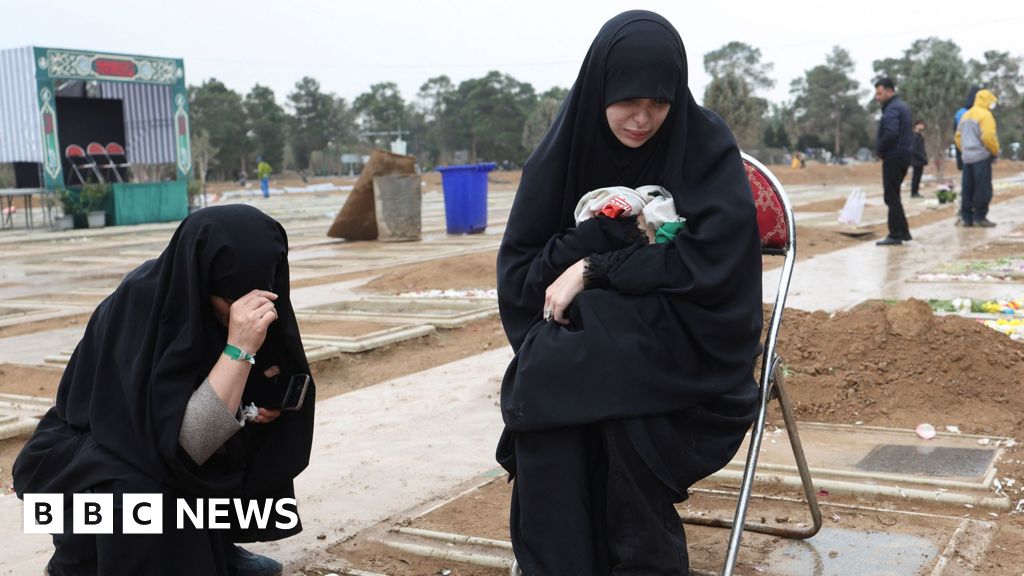
Nevertheless, any ground operation carries significant inherent risks. The potential for US casualties is substantial, an outcome deeply unpopular domestically, especially in an election year. Such an intervention also risks drawing the United States deeper into a conflict that many observers have characterized as a "war of choice." The human toll of the conflict is already stark, with the US-based rights group HRANA estimating that the recent hostilities have claimed 3,291 lives in Iran, including 1,455 civilians, underscoring the severe consequences of continued escalation.
The continued survival and perceived emboldenment of the Islamic Republic regime suggest that its members and their demands are likely to become more entrenched. Iran appears to believe that both time and geography are on its side, a conviction that may be reinforced by the perceived domestic pressures on the US administration. Furthermore, the more the White House publicly asserts that Iran is desperate for a deal, the less inclined Tehran appears to be to actually make one, highlighting a critical psychological dimension in the ongoing diplomatic impasse.
The Geopolitical Chessboard and Future Prospects
The current geopolitical chessboard in the Gulf is marked by a profound and dangerous stalemate. Iran’s perceived resilience and strategic gains, particularly regarding the Strait of Hormuz, have significantly complicated any pathway to de-escalation. The global implications of this protracted confrontation are substantial, most immediately reflected in volatile energy prices that threaten economic stability worldwide. Beyond economics, the conflict reshapes regional security architectures, forcing a re-evaluation of alliances and strategic priorities among Gulf states and beyond.
Achieving a durable peace requires overcoming not only the immediate demands of each side but also addressing the deep-seated ideological differences, conflicting security paradigms, and the pervasive trust deficit that has plagued US-Iran relations for decades. The role of international mediators, while crucial for facilitating indirect communication, faces immense challenges in bridging such a fundamental divide. The absence of direct, high-level engagement and the reliance on public rhetoric often designed for domestic consumption rather than genuine diplomacy further complicate efforts.
In conclusion, the chasm between US and Iranian peace proposals remains vast, with each side presenting terms that the other deems unacceptable. This "no peace, no war" equilibrium is inherently unstable, carrying a high potential for miscalculation and unintended escalation. While the deployment of additional US forces might be intended to increase bargaining leverage, it simultaneously elevates the risks of a more direct and devastating conflict. Averting further catastrophe necessitates a fundamental shift in approach from both Washington and Tehran, requiring genuine diplomatic breakthroughs that, however remote they may appear, are imperative for the stability of the region and the global economy.




 Aura Kasih
 Safa Marwah