Aura Kasih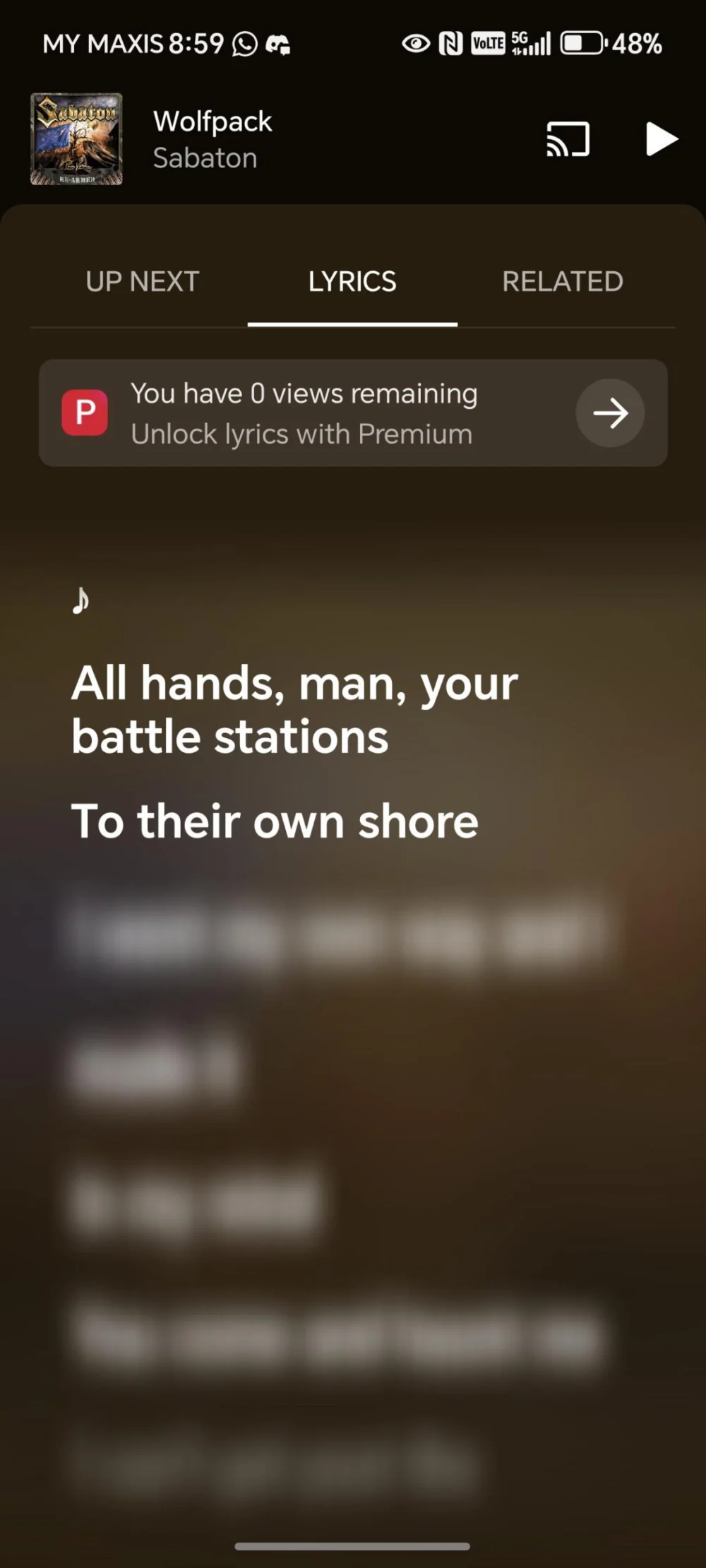
In a significant shift for music streaming enthusiasts, YouTube Music has begun restricting access to song lyrics for its free tier users, prompting them with an option to "Unlock lyrics with Premium." This move signals a strategic pivot by the platform to monetize a feature previously available to all, potentially altering the user experience for a substantial segment of its audience and raising questions about the evolving landscape of digital music consumption.
For years, the ability to peruse song lyrics while listening to music has been a standard and cherished feature across numerous audio platforms. It enhances the listening experience, aids in understanding complex lyrical narratives, and facilitates singalongs, karaoke, and even academic study of songwriting. YouTube Music, a prominent player in the streaming market, had historically offered this functionality without charge. However, recent observations and user reports indicate a deliberate phasing out of unrestricted lyric access for those not subscribing to YouTube Premium.
The change appears to be rolling out incrementally, with free account holders encountering prompts that explicitly link lyric access to a paid subscription. Users who have previously enjoyed unlimited lyric viewing are now reporting limitations, often presented as a countdown or a soft limit on the number of songs for which lyrics can be fully displayed per month. Once this threshold is met, the lyrics are either obscured, blurred, or truncated, with a clear call to action urging users to upgrade to YouTube Premium to regain full access. This strategic decision by Google, the parent company of YouTube Music, is indicative of a broader trend in the digital subscription economy, where previously "free" features are being bundled into premium offerings to drive subscriber growth and revenue.
The implications of this paywall extend beyond mere inconvenience. For many, lyrics are an integral part of engaging with music. Students studying literature or linguistics may find their research capabilities curtailed. Aspiring musicians and songwriters who rely on analyzing lyrical structures and poetic devices might face new barriers. Furthermore, casual listeners who enjoy singing along or understanding the deeper meaning of a song may feel a diminished connection to the music if they cannot access the accompanying words. This move could foster a sense of exclusion for users who are unable or unwilling to pay for a subscription, potentially alienating a segment of the user base that contributes to the platform’s overall reach and cultural influence.

The rationale behind such a strategic shift can be multifaceted. Firstly, it aligns with Google’s ongoing efforts to consolidate its subscription services and increase the perceived value of YouTube Premium. By moving a popular feature behind a paywall, YouTube Music aims to incentivize upgrades, thereby boosting subscription revenue. In a highly competitive streaming market, where user acquisition and retention are paramount, such tactical maneuvers are common. Companies are constantly seeking new ways to differentiate their premium offerings and justify their subscription costs to consumers.
Secondly, this move could be a response to the economics of music licensing and content provision. While the exact financial arrangements between streaming services and lyric providers are often complex and proprietary, it is plausible that the cost associated with licensing and accurately displaying lyrics has increased, or that Google seeks to recoup these costs through its premium tier. The availability of accurate and synchronized lyrics for millions of songs represents a significant data and technology undertaking, and it is not unreasonable for a company to seek compensation for such an asset.
The timing of this change also warrants consideration. As the streaming industry matures, the era of aggressive free-tier expansion is giving way to a focus on sustainable revenue models. Platforms are increasingly aware that relying solely on advertising revenue for a vast and diverse content library can be challenging. Therefore, converting free users into paying subscribers becomes a critical objective. YouTube Music’s decision to paywall lyrics can be viewed as a calculated step in this direction, leveraging a feature that many users consider essential for a complete listening experience.
From an analytical perspective, this development raises several key questions for the future of music streaming:
- User Retention and Churn: How will this change impact user retention on the free tier? Will a significant number of users abandon YouTube Music for platforms that continue to offer lyrics for free? Conversely, will the perceived value of Premium increase enough to offset potential churn?
- Competitive Landscape: How will competitors in the music streaming space react? Will other platforms follow suit and implement similar paywalls, or will some differentiate themselves by continuing to offer unrestricted lyric access, potentially gaining a competitive advantage?
- User Experience and Engagement: Beyond just lyrics, what other features might be considered for a premium tier in the future? This move could set a precedent for further segmentation of features, potentially leading to a more fragmented and tiered user experience across the music streaming ecosystem.
- Accessibility and Inclusivity: Does this move inadvertently create a barrier for individuals who rely on lyrics for accessibility or educational purposes, and if so, what are the ethical considerations for platforms that aim to serve a global audience?
The integration of lyrics has been a cornerstone of the digital music experience for decades, evolving from liner notes in album cases to dynamic, synchronized displays on streaming services. YouTube Music’s decision to restrict this functionality for its free users is a clear indication of the evolving business models in the digital entertainment sector. While the exact impact on user behavior remains to be seen, this move undeniably reshapes the value proposition of both free and premium tiers within the YouTube Music ecosystem. It prompts a broader conversation about what constitutes a "core" feature versus a "premium" amenity in the digital age, and how consumers will adapt to an increasingly subscription-driven content landscape. The platform’s success in this transition will likely depend on its ability to effectively communicate the enhanced value of YouTube Premium and to balance revenue generation with maintaining a positive and inclusive user experience.


 Lisa Mariana
 Safa Marwah
 Ridwan Kamil