Ridwan Kamil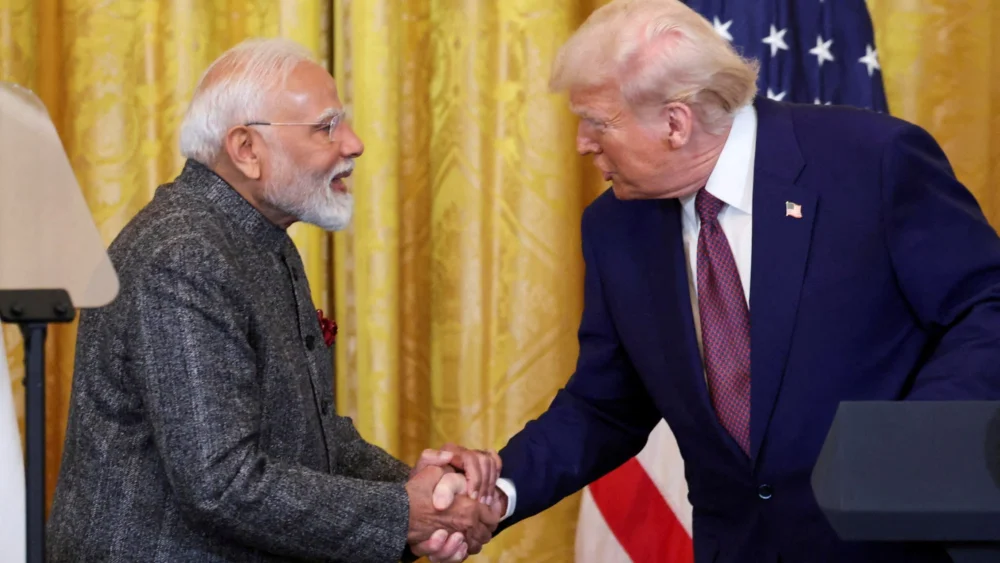
In a significant development for global commerce, the United States and India have successfully negotiated an interim trade agreement, marking a pivotal moment in their increasingly vital economic relationship and paving the way for broader cooperation.
The recent announcement of an interim trade deal between the United States and India signifies a substantial advancement in bilateral economic ties, underscoring a shared commitment to fostering a more predictable and mutually beneficial trade environment. This accord, reached after extensive deliberations, is anticipated to address key trade irritants and lay the groundwork for deeper engagement across a spectrum of economic sectors. While not a comprehensive free trade agreement, this interim understanding represents a pragmatic approach to resolving immediate concerns and building momentum for future negotiations.
A Carefully Crafted Compromise: Addressing Key Trade Friction Points
The substance of this interim agreement is rooted in a series of targeted concessions designed to alleviate long-standing trade disputes. For the United States, a key victory lies in India’s commitment to reducing retaliatory tariffs on certain American agricultural products. This move is expected to provide a much-needed boost to U.S. farmers, particularly those exporting goods such as chickpeas, lentils, and almonds, which have been subject to elevated duties in recent years. The reduction in these tariffs is not merely an economic transaction; it represents a symbolic gesture of goodwill and a recognition of the importance of the agricultural sector to the U.S. economy.
In return for these tariff adjustments, India has secured concessions from the U.S. concerning market access for its own key exports. While the specifics are still being formalized, it is understood that the agreement includes provisions aimed at easing the path for Indian goods into the American market. This could encompass a streamlining of regulatory processes, potential reductions in certain import duties on Indian manufactured goods, and increased opportunities for Indian service providers in the U.S. market. The emphasis here is on creating a more level playing field, acknowledging India’s growing industrial capabilities and its aspirations for greater integration into global supply chains.
Furthermore, the agreement reportedly addresses issues related to intellectual property rights and digital trade. In an era where innovation and data flow are paramount, these provisions are crucial for fostering a modern and secure economic partnership. The U.S. has long advocated for robust IP protection, and India’s willingness to engage on this front signals a maturing of its regulatory framework and its commitment to international norms. Similarly, the inclusion of digital trade provisions acknowledges the rapidly evolving landscape of global commerce and the need for clear guidelines governing cross-border data flows and e-commerce.
The Road to Agreement: A Testament to Diplomatic Acumen
The journey to this interim accord has been characterized by both persistent dialogue and moments of considerable tension. For years, trade imbalances and differing regulatory approaches have cast a shadow over the bilateral relationship. The U.S. has frequently voiced concerns over India’s trade policies, citing issues such as high import duties, local content requirements, and perceived barriers to market entry for American companies. India, on the other hand, has often emphasized its developmental needs, its commitment to self-reliance, and its efforts to protect its domestic industries.
This interim agreement represents a significant diplomatic achievement, demonstrating the capacity of both nations to navigate complex and often contentious issues through sustained engagement. It reflects a strategic decision by both Washington and New Delhi to prioritize the overarching importance of their relationship, recognizing that a strong economic partnership is a vital component of their broader geopolitical alignment. The willingness of leaders on both sides to compromise and find common ground is a testament to the maturity of the bilateral dialogue and a shared vision for a more interconnected Indo-Pacific region.
Several factors have likely contributed to this breakthrough. The shifting global economic landscape, characterized by increasing trade protectionism in some quarters, has underscored the value of strengthening alliances with like-minded partners. Both the U.S. and India have a vested interest in promoting a rules-based international trading system and in diversifying their economic relationships. Moreover, the growing strategic convergence between the two nations, particularly in the context of China’s rising influence, has created a fertile ground for economic cooperation to complement their security and political ties.
Implications for Global Trade and Beyond
The U.S.-India interim trade deal carries significant implications, not only for the two countries involved but also for the broader global trading system. Firstly, it signals a renewed commitment to multilateralism and open trade at a time when protectionist sentiments are on the rise. By resolving some of their bilateral trade disputes, the U.S. and India are sending a powerful message that dialogue and compromise can lead to tangible economic benefits. This can serve as a model for other nations seeking to address their own trade grievances.
Secondly, the agreement is likely to stimulate increased trade and investment flows between the two economic powerhouses. Reduced tariffs and improved market access will make it more attractive for businesses in both countries to export and invest. This could lead to job creation, economic growth, and greater consumer choice. For India, it represents an opportunity to further integrate into global value chains and to attract much-needed foreign investment. For the U.S., it opens up a vast and growing market, offering significant potential for American businesses.
Thirdly, the deal could have a ripple effect on other bilateral trade negotiations. As the U.S. and India demonstrate the feasibility of reaching mutually beneficial agreements, other countries may be encouraged to pursue similar dialogues. This could lead to a broader thaw in global trade relations and a more conducive environment for international commerce.
Furthermore, the agreement’s focus on sectors such as agriculture, manufacturing, and digital services reflects the evolving nature of global trade. It acknowledges the importance of non-traditional trade barriers, such as regulatory hurdles and intellectual property rights, and highlights the need for comprehensive approaches to trade facilitation.
Looking Ahead: The Path to a Comprehensive Partnership
While this interim agreement is a significant achievement, it is widely viewed as a stepping stone towards a more comprehensive and ambitious trade relationship. The exclusion of certain sensitive sectors and the temporary nature of some concessions suggest that deeper negotiations are still required. Key areas for future engagement could include addressing India’s persistent trade surplus with the U.S., further liberalization of services trade, and the resolution of outstanding issues related to investment protection and dispute settlement mechanisms.
The success of this interim accord will undoubtedly hinge on its effective implementation and the continued political will of both governments to deepen their economic engagement. The establishment of robust monitoring mechanisms and a commitment to ongoing dialogue will be crucial for ensuring that the benefits of the agreement are realized and that any emerging challenges are addressed promptly.
The U.S. and India are at a critical juncture in their bilateral relationship. The interim trade deal is more than just an economic agreement; it is a strategic affirmation of their shared vision for a stable, prosperous, and interconnected global order. As both nations continue to navigate the complexities of the 21st century, a robust and mutually beneficial economic partnership will be an indispensable pillar of their enduring alliance. The current accord represents a tangible manifestation of this commitment, promising to unlock new avenues of cooperation and to further solidify the bonds between these two democratic giants.




 Ayu Aulia
 Safa Marwah
 Aura Kasih
 Lisa Mariana