Aura Kasih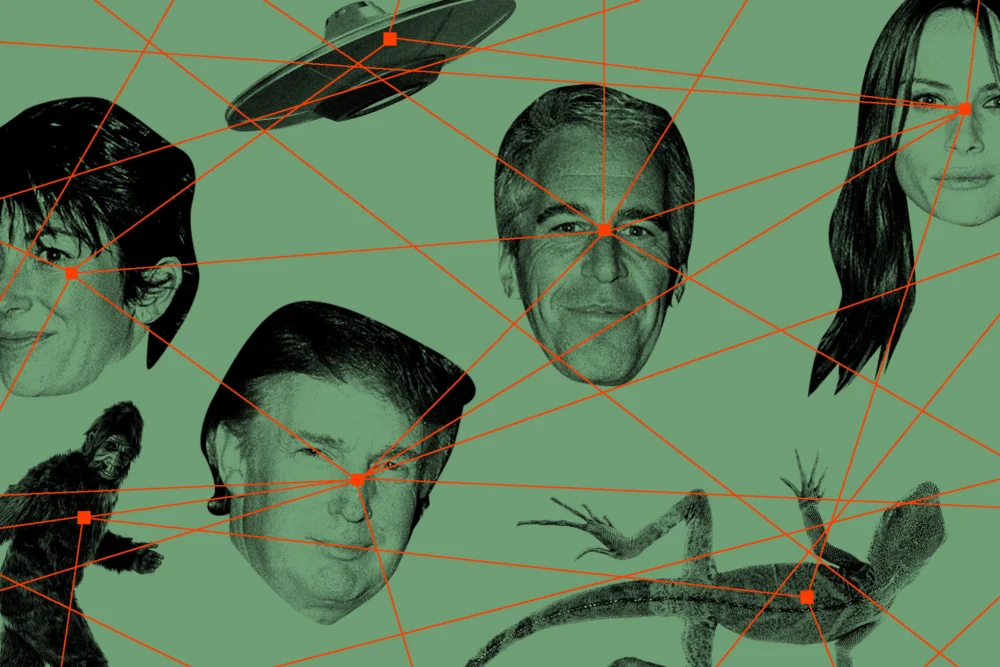
In a significant clarification addressing persistent online speculation, Christopher Poole, the visionary behind the influential imageboard 4chan, has unequivocally stated that disgraced financier and convicted sex trafficker Jeffrey Epstein played no part in the establishment of the site’s notorious "politically incorrect" board, /pol/. Poole, widely known by his online moniker "moot," emphasized in a recent statement to The Verge that any perceived connection between Epstein and the creation of /pol/ is purely coincidental, asserting that the board’s inception predated any personal interactions with the late financier. This denial seeks to disentangle a web of conspiracy theories that have long linked Epstein to the origins of a digital space that has become synonymous with extremist ideologies and the proliferation of misinformation.
The controversy gained traction following the public release of numerous documents associated with Epstein’s legal proceedings. Among these were communications suggesting a meeting between Epstein and Poole in 2011, alongside subsequent, albeit unsuccessful, attempts to reconnect. The timing of these alleged interactions, juxtaposed with the introduction of /pol/ around the same period, fueled a narrative that Epstein, with his alleged penchant for manipulating influential figures, might have been instrumental in shaping 4chan’s trajectory towards more radical content. This narrative gained further currency given /pol/’s evolution into a fertile ground for fringe movements like QAnon and the broader alt-right ecosystem, movements that have profoundly impacted global political discourse and social dynamics.
Poole’s detailed account offers a direct rebuttal to these conjectures. He asserts that the decision to launch a dedicated politics board was finalized weeks prior to any potential encounter with Epstein. Furthermore, he clarifies that the board was made accessible to the public nearly a full day before a single, chance meeting at a social gathering. This temporal distinction is crucial in dismantling the imputation of influence. Poole’s statement meticulously details the brief nature of his acquaintance with Epstein. He describes it as a single, unremarkable lunch meeting, initiated by Epstein’s assistant, that occurred during a period when Poole was actively engaged in extensive networking and speaking engagements across the tech industry, leading to numerous encounters with a wide array of individuals. Poole emphatically states that he did not meet Epstein again nor did he maintain any ongoing communication. His sentiment is one of profound regret for ever having crossed paths with Epstein, coupled with deep empathy for all those who suffered as a result of his actions.
The implications of Poole’s statement extend beyond merely correcting the historical record. It forces a re-examination of how online communities evolve and the complex interplay of individual choices, platform design, and external influences. The creation of /pol/ itself was a strategic decision by Poole, aimed at consolidating political discussions that were previously dispersed across various boards on 4chan. The intention, at the time, was reportedly to provide a designated space for these conversations, thereby potentially containing and managing them within a structured environment. However, the nature of 4chan’s anonymous and unmoderated (or lightly moderated) structure proved to be an ideal incubator for the type of content that would come to define /pol/.
The board’s architecture, characterized by its rapid-fire posting, emphasis on ephemeral content, and a culture that often rewarded provocative or offensive material, created a feedback loop that amplified extreme viewpoints. This environment fostered a sense of shared identity and grievance among users, making it susceptible to radicalization and the spread of conspiracy theories. The anonymity afforded by the platform allowed users to express ideas without immediate social repercussions, emboldening the dissemination of narratives that might otherwise remain on the fringes of public discourse.

While Poole has severed any association with Epstein and denies his involvement in the creation of /pol/, the broader context of Epstein’s alleged influence in media and political circles cannot be entirely dismissed. The release of the DOJ documents confirmed Epstein’s extensive network, which included powerful figures in finance, politics, and media. His alleged methods of cultivating relationships and leveraging his influence have been widely documented. Therefore, while Poole’s direct role in creating /pol/ may be debunked, the broader question of how individuals like Epstein could potentially intersect with and influence nascent online subcultures remains a pertinent area of inquiry for researchers studying digital radicalization and the spread of disinformation.
The genesis of /pol/ and its subsequent transformation into a nexus of far-right ideology raise critical questions about platform responsibility and the ethical considerations of online community management. Poole, as the founder, was instrumental in shaping 4chan’s early architecture and culture. His decisions regarding content moderation policies, board structures, and user engagement directly influenced the environment that allowed /pol/ to flourish. The platform’s initial design, prioritizing unfettered expression over strict content controls, inadvertently created a space where extremist ideologies could gain traction and disseminate widely.
The subsequent rise of movements like QAnon, which heavily utilized /pol/ as a distribution channel for its elaborate and baseless conspiracy theories, underscores the profound societal impact of such online spaces. QAnon’s narratives, often rooted in anti-Semitic tropes and baseless accusations against political figures and institutions, demonstrated the real-world consequences of unchecked online disinformation. These theories have been linked to acts of political violence, erosion of trust in established institutions, and the polarization of societies.
Poole’s statement, while definitive on the specific question of Epstein’s involvement, does not negate the complex and often troubling evolution of /pol/. It highlights the challenges faced by platform creators in anticipating and mitigating the unintended consequences of their creations. The digital landscape is dynamic, and the forces that shape online communities are multifaceted, encompassing user behavior, algorithmic amplification, and the broader socio-political climate.
The legacy of /pol/ continues to be a subject of academic and public scrutiny. Its role in facilitating the spread of extremist propaganda, influencing political discourse, and contributing to the radicalization of individuals remains a critical concern. Poole’s disavowal of Epstein’s influence is a significant piece of information in understanding the platform’s origins, but it does not diminish the imperative to critically analyze the factors that enabled /pol/ to become such a potent force in the modern digital ecosystem. The ongoing examination of such platforms and their societal impact is essential for developing effective strategies to combat online radicalization and promote a healthier, more informed digital public sphere. The careful disentanglement of coincidental associations from causal influence is vital for accurately understanding the complex forces that shape our online world.



 Safa Marwah
 Ridwan Kamil