Safa Marwah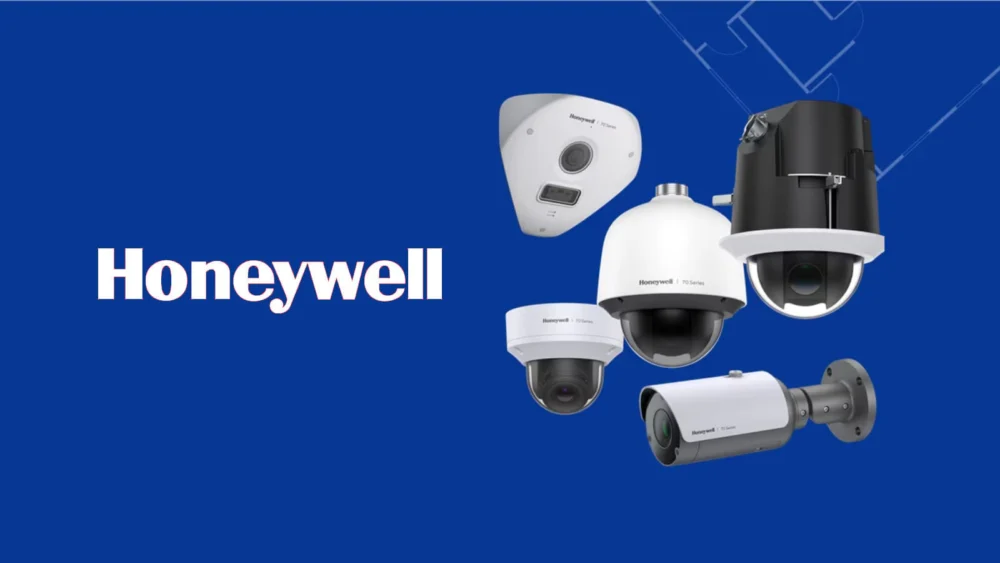
The United States Cybersecurity and Infrastructure Security Agency (CISA) has issued an urgent advisory concerning a severe vulnerability identified across several Honeywell closed-circuit television (CCTV) product lines, which could enable unauthorized individuals to compromise surveillance feeds and seize control of device accounts. This critical security flaw, designated CVE-2026-1670, carries a formidable CVSS v3.1 score of 9.8 out of 10, underscoring its potential for widespread and significant disruption. The vulnerability, brought to light by security researcher Souvik Kanda, is categorized as a "missing authentication for critical function," a design oversight that permits an unauthenticated attacker to manipulate crucial account recovery mechanisms, ultimately facilitating complete account takeover.
The Mechanism of Compromise: An Authentication Gap
At the heart of CVE-2026-1670 lies a fundamental failure in authentication protocols. The vulnerability exploits an exposed Application Programming Interface (API) endpoint that, lacking proper authentication safeguards, allows external actors to remotely alter the "forgot password" recovery email address associated with a Honeywell CCTV device account. By redirecting the recovery process to an attacker-controlled email, malicious actors can then initiate a password reset, effectively locking out legitimate users and gaining full administrative access to the surveillance system. This level of access grants them not only the ability to view live and recorded camera feeds but also to potentially reconfigure device settings, delete footage, or even integrate the compromised device into broader attack campaigns.
CISA’s advisory, ICSA-26-048-04, explicitly details this exposure, emphasizing the ease with which an unauthenticated entity can leverage this flaw. The critical severity rating is justified by the low attack complexity, the absence of required user interaction, and the high impact on confidentiality, integrity, and availability that a successful exploit entails. For systems deployed in sensitive environments, the implications extend far beyond mere privacy invasion.
Honeywell’s Global Footprint and Vulnerable Systems
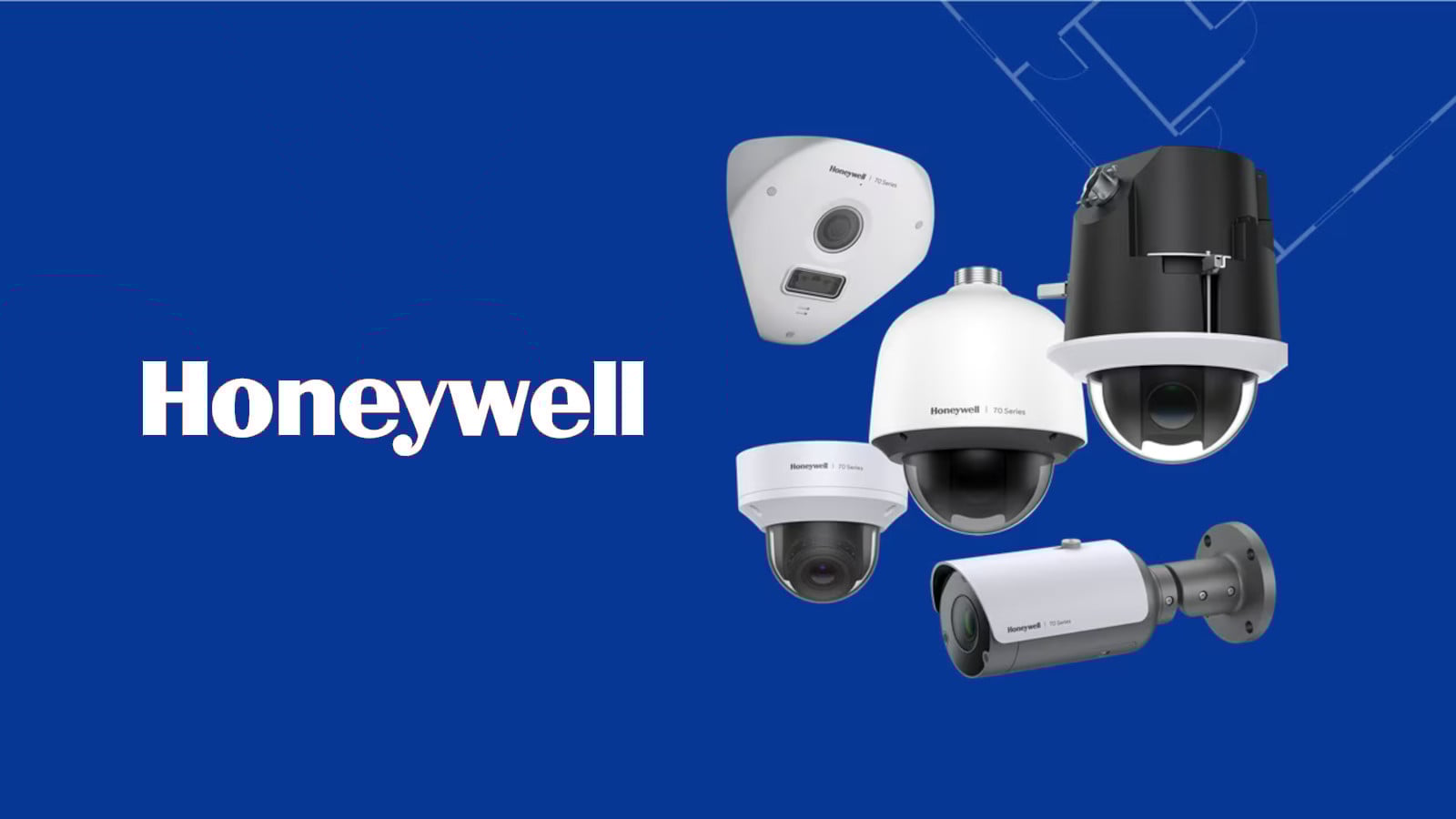
Honeywell stands as a preeminent global provider of security and video surveillance technology, offering an extensive portfolio of CCTV cameras and related infrastructure. These systems are integral to the security architectures of a diverse array of sectors, spanning commercial enterprises, industrial facilities, and crucial critical infrastructure installations worldwide. The company’s commitment to security is often highlighted by its offering of National Defense Authorization Act (NDAA)-compliant cameras, which are specifically designed to meet stringent federal guidelines and are widely deployed within U.S. government agencies and their contractors.
While CISA’s advisory indicates that specific model families are impacted, it refers to mid-level video surveillance products. These systems typically find application in small to medium business environments, corporate offices, and warehouses. However, it is imperative to recognize that many such facilities, particularly those involved in supply chain logistics, manufacturing, or critical support services, may constitute integral components of the broader critical infrastructure ecosystem. A vulnerability in these seemingly less prominent systems can therefore have cascading effects, creating inroads for sophisticated threat actors seeking to disrupt operations or gather intelligence on high-value targets. The pervasive deployment of Honeywell equipment across such varied and vital sectors amplifies the potential reach and impact of CVE-2026-1670.
Profound Implications for Security and Operations
The exploitation of this authentication bypass vulnerability carries profound implications, extending across operational, security, and compliance domains.
Operational Disruption and Intelligence Gathering:
Unauthorized access to surveillance feeds can serve as a critical reconnaissance tool for adversaries. In critical infrastructure settings, such as energy grids, water treatment plants, or transportation hubs, attackers could gain real-time insights into facility layouts, security patrols, personnel movements, and operational procedures. This intelligence can be invaluable for planning physical intrusions, industrial espionage, or even acts of sabotage. Disabling or manipulating cameras could create blind spots, facilitating further malicious activities.
Data Confidentiality and Privacy Breaches:
For commercial and private entities, the compromise of CCTV feeds constitutes a significant breach of data confidentiality. Surveillance footage often captures sensitive information, including proprietary processes, customer data, and employee activities. Unauthorized access can lead to privacy violations, expose trade secrets, and undermine trust. In sectors like healthcare or finance, such breaches could also trigger stringent regulatory penalties.
Integrity Compromise and System Manipulation:
Beyond mere viewing, account takeover enables full control over the CCTV system. Attackers could alter system configurations, tamper with recorded evidence, or inject malicious content. This could compromise the integrity of security investigations, facilitate cover-ups, or even lead to the deployment of malware across connected networks. The ability to manipulate "forgot password" settings highlights a deeper flaw that could potentially be leveraged for other forms of system tampering.
Supply Chain Vulnerabilities and Broader Attack Vectors:
Many organizations rely on third-party vendors for their security systems, integrating them into larger operational networks. A vulnerability in a widely deployed component like a Honeywell CCTV system can introduce a weak link into the broader supply chain. A compromised camera might serve as an initial foothold for an attacker to pivot to other systems within the network, escalating a localized camera compromise into a full-scale network intrusion.
Reputational Damage and Legal Ramifications:
Organizations that fail to adequately secure their surveillance infrastructure face significant reputational damage. Public disclosure of breaches, particularly those impacting critical services, can erode public confidence and shareholder value. Furthermore, depending on the industry and jurisdiction, organizations may face legal liabilities, fines, and lawsuits for negligence in protecting sensitive data and maintaining secure operational environments.
Mitigating the Risk: CISA’s Recommendations and Vendor Engagement
As of February 17th, CISA reported no known instances of public exploitation specifically targeting CVE-2026-1670. However, the absence of known active exploitation does not diminish the severity or urgency of addressing the vulnerability. The potential for future exploitation, particularly by sophisticated state-sponsored actors or organized cybercriminal groups, remains high given the critical nature of the affected systems.

CISA has provided a series of critical recommendations for organizations utilizing the vulnerable Honeywell CCTV products:
- Minimize Network Exposure: The most fundamental defense is to reduce the attack surface. Organizations should ensure that control system devices, including CCTV systems, are not directly exposed to the internet. This often involves placing them behind robust firewalls and implementing strict ingress and egress filtering rules.
- Network Segmentation: Isolating control systems and security devices on separate network segments, distinct from corporate IT networks, can significantly limit the lateral movement of an attacker. Even if a CCTV system is compromised, effective segmentation can prevent the breach from spreading to core operational systems.
- Secure Remote Access: When remote access to these systems is indispensable, it must be implemented using secure methods. CISA specifically recommends the use of updated Virtual Private Network (VPN) solutions, configured with multi-factor authentication (MFA) and strong encryption protocols, to establish secure tunnels for remote connectivity. Unsecured remote desktop protocols (RDP) or direct access should be strictly prohibited.
- Proactive Vendor Engagement: Given that Honeywell has not yet released a public security advisory for CVE-2026-1670, organizations are strongly advised to proactively contact Honeywell’s official support channels. This direct engagement is crucial for obtaining specific patch guidance, firmware updates, or mitigation strategies as soon as they become available. Relying on general security updates may not address this specific, critical flaw.
- Regular Auditing and Monitoring: Implementing a regime of regular security audits and continuous network monitoring can help detect anomalous activities indicative of attempted or successful exploitation. This includes monitoring API calls, login attempts, and changes to system configurations.
Broader Industry Perspective: The IoT Security Imperative
This incident with Honeywell CCTV systems serves as a stark reminder of the pervasive security challenges within the Internet of Things (IoT) landscape, particularly concerning devices deployed in critical environments. The "missing authentication" flaw highlights a recurring theme in IoT security: the rush to market often overshadows rigorous security testing and adherence to secure-by-design principles.
The increasing interconnectedness of operational technology (OT) and IT environments demands a paradigm shift in how devices are secured from conception to deployment and throughout their lifecycle. Manufacturers bear a significant responsibility to integrate robust security features, including secure boot, strong authentication mechanisms, encrypted communications, and reliable patch management processes. End-users, in turn, must adopt a proactive stance, regularly inventorying their assets, applying patches diligently, and implementing comprehensive network segmentation and access controls.
Government agencies, like CISA, play a crucial role in coordinating vulnerability disclosures, disseminating advisories, and providing guidance. However, the ultimate resilience of critical infrastructure against such threats hinges on a collaborative ecosystem involving manufacturers, integrators, asset owners, and cybersecurity researchers. The incident underscores the urgent need for a more mature and responsive vulnerability management framework across the entire supply chain of connected devices, ensuring that critical infrastructure remains safeguarded against evolving cyber threats. The future security posture of our interconnected world depends on addressing these foundational security weaknesses today.



 Lisa Mariana

 Aura Kasih