Aura Kasih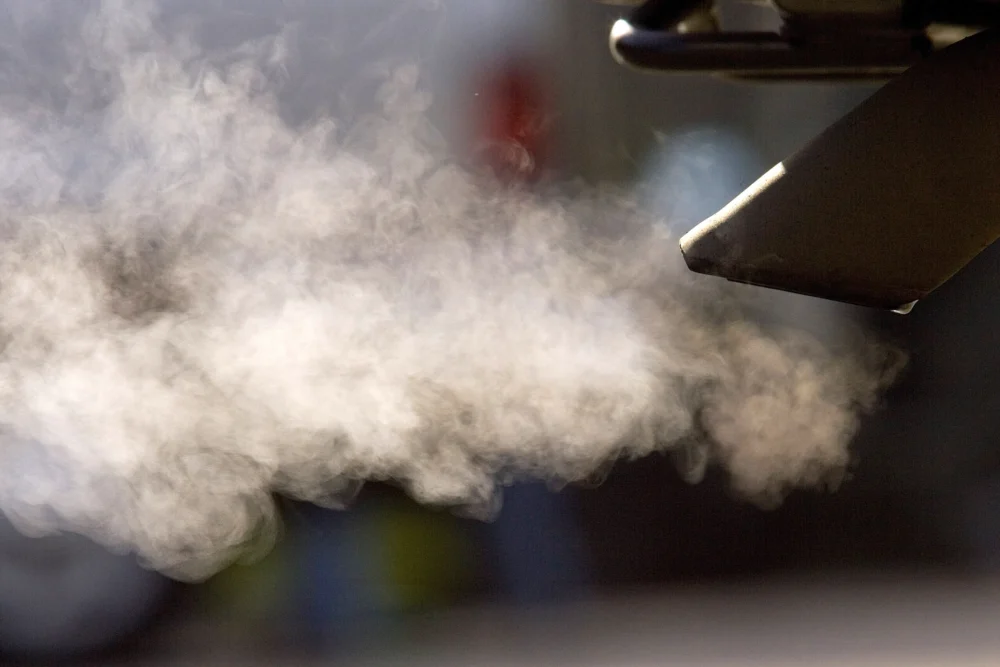
The current U.S. administration has effectively nullified the scientific consensus that has served as the bedrock for federal policies addressing atmospheric warming pollutants since 2009, a decision poised to unravel decades of environmental protections. This pivotal determination, known as the "endangerment finding," previously empowered the Environmental Protection Agency (EPA) to enact legislation curbing greenhouse gas emissions under the Clean Air Act. By targeting this foundational scientific assessment rather than individual regulations, the administration has strategically bypassed the need to dismantle each rule piecemeal, thereby impacting a broad spectrum of environmental mandates in a single, decisive action.
This strategic maneuver by the Trump administration represents a profound shift in the nation’s approach to climate change mitigation. The endangerment finding, initially established by the EPA in 2009, served as the crucial scientific and legal justification for regulating greenhouse gases. Its rescission has far-reaching implications, extending beyond tailpipe emissions to potentially affect regulations on power plants and other industrial sources that contribute significantly to the escalating frequency of extreme weather events and broader climate disruptions. Given the United States’ substantial contribution to global carbon pollution, second only to China, the repercussions of this policy reversal are expected to resonate internationally, impacting global climate efforts and potentially influencing the trajectory of climate science and policy worldwide.
A Legacy of Scientific Consensus Undermined
For nearly fifteen years, the EPA’s endangerment finding has been the lynchpin for federal climate action. This finding articulated a clear scientific consensus: that the accumulation of greenhouse gases in the Earth’s atmosphere poses a direct threat to the health and welfare of present and future generations. This determination was not a mere policy preference but a conclusion drawn from extensive scientific evidence, aligning with findings from international bodies such as the World Health Organization (WHO). The WHO has consistently warned of the dire health consequences of a warming planet, projecting a substantial increase in climate-related mortality and morbidity due to factors like malnutrition, the spread of infectious diseases, and heat stress. The decision to revoke this finding represents a deliberate repudiation of this established scientific understanding.
The EPA’s stated rationale for this sweeping deregulation centers on the perceived economic burdens imposed by environmental regulations on American businesses and consumers. When the agency first proposed repealing the endangerment finding, it highlighted the financial strains and uncertainties faced by industries, particularly the automotive sector, in complying with greenhouse gas emission standards for vehicles and trucks. The administration contends that removing these regulatory requirements will unlock significant cost savings, projecting trillions of dollars in cumulative benefits for taxpayers and consumers. This economic argument, however, often sidesteps the substantial, albeit sometimes less immediately quantifiable, costs associated with unchecked climate change, including damage to infrastructure, agricultural losses, and escalating healthcare expenses.
Economic Projections and Their Counterarguments
In its announcement, the EPA asserted that the elimination of the endangerment finding would result in the discarding of all subsequent federal greenhouse gas emission standards for vehicles and engines manufactured from model years 2012 through 2027 and beyond. EPA Administrator Lee Zeldin hailed this as "the single largest deregulatory action in U.S. history," emphasizing the administration’s commitment to reducing regulatory burdens. The agency projects that these actions will yield cumulative savings exceeding $1.3 trillion, translating to an average reduction of approximately $2,400 per vehicle. This figure, however, lacks detailed substantiation within the EPA’s public statements and overlooks potential economic benefits associated with cleaner technologies and a more stable climate.
Counterbalancing the EPA’s optimistic economic projections, independent analyses present a starkly different outlook. A report by the nonpartisan climate policy think tank Energy Innovation suggests that rescinding federal tailpipe emission standards could ultimately cost Americans upwards of $310 billion over the next quarter-century. This cost is primarily attributed to increased fuel expenditures at the pump, as vehicles become less fuel-efficient. Furthermore, these analyses often exclude the broader economic impacts of climate change, such as the costs of adapting to more extreme weather, disruptions to supply chains, and the long-term consequences of environmental degradation. The argument that deregulation will stimulate economic growth by reducing immediate costs often fails to account for the compounding economic liabilities that arise from environmental damage.
Legal and Political Ramifications
The administration’s move is almost certain to face vigorous legal challenges from environmental advocacy groups. These anticipated legal battles could potentially escalate to the Supreme Court. Given the current composition of the Court, with a conservative majority, there is a possibility that landmark decisions supporting EPA’s authority to regulate greenhouse gases, such as the 2007 Massachusetts v. EPA ruling, could be re-examined and potentially overturned. Such an outcome would not only invalidate current regulations but could also hamstring future administrations from reinstating similar climate protections, effectively shifting the authority for greenhouse gas regulation away from the executive branch and towards Congress.
The EPA itself has argued that the Clean Air Act does not grant the agency the authority to regulate greenhouse gas emissions from motor vehicles "for the purpose of addressing global climate change." The agency’s position is that such broad policy decisions, with their extensive economic and societal implications, should be the purview of Congress. This stance effectively delegates the responsibility for climate action to the legislative branch, a move that could lead to protracted political debates and a stalemate on critical environmental issues, especially in a divided Congress.
The Role of States and Industry Uncertainty
In the absence of robust federal regulation, individual states may emerge as crucial actors in setting their own climate pollution limits. This could lead to a fragmented regulatory landscape, with varying standards across different regions of the country. While some states are poised to advance ambitious clean transportation goals, this patchwork of policies could introduce complexities and legal uncertainties for industries, particularly automakers that operate on a national and international scale.
Albert Gore, executive director of the Zero Emission Transportation Association, has articulated concerns about the increased risk and uncertainty this deregulation creates for businesses. He argues that rescinding the endangerment finding undermines the stable regulatory framework upon which sustained economic growth in advanced manufacturing sectors has depended for decades. Companies that have invested heavily in the development and production of next-generation vehicles may find their strategic investments jeopardized by an unpredictable and inconsistent regulatory environment. This shift could potentially slow innovation and deter further investment in the transition to cleaner transportation technologies.
Broader Context and Future Outlook
The decision to dismantle the endangerment finding is not an isolated event but part of a broader pattern of regulatory rollback aimed at reducing environmental protections under the guise of economic stimulus. This approach disregards the overwhelming scientific consensus on climate change and its potential to destabilize economies and societies. The long-term consequences of such actions extend far beyond immediate cost savings, potentially leading to irreversible environmental damage and escalating societal costs.
The path forward for climate regulation in the United States now appears fraught with legal and political uncertainty. While states may attempt to fill the regulatory void, their efforts could be challenged or outpaced by the scale of the problem. The ultimate resolution of these issues may hinge on future political administrations, congressional action, or potentially, the evolving interpretation of environmental law by the judiciary. The international community will also be closely observing these developments, as U.S. policy on climate change has significant implications for global efforts to address this pressing existential threat. The long-term implications of this regulatory reversal will undoubtedly be a subject of intense scrutiny and debate for years to come, shaping the environmental and economic trajectory of the nation and its role in global climate governance.




 Lisa Mariana
 Safa Marwah
 Ridwan Kamil