Lisa Mariana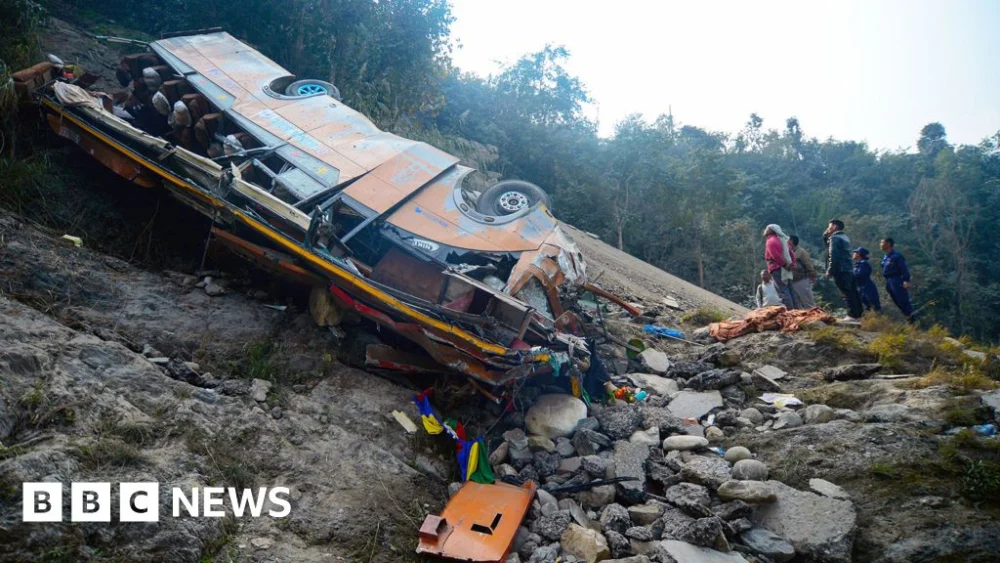
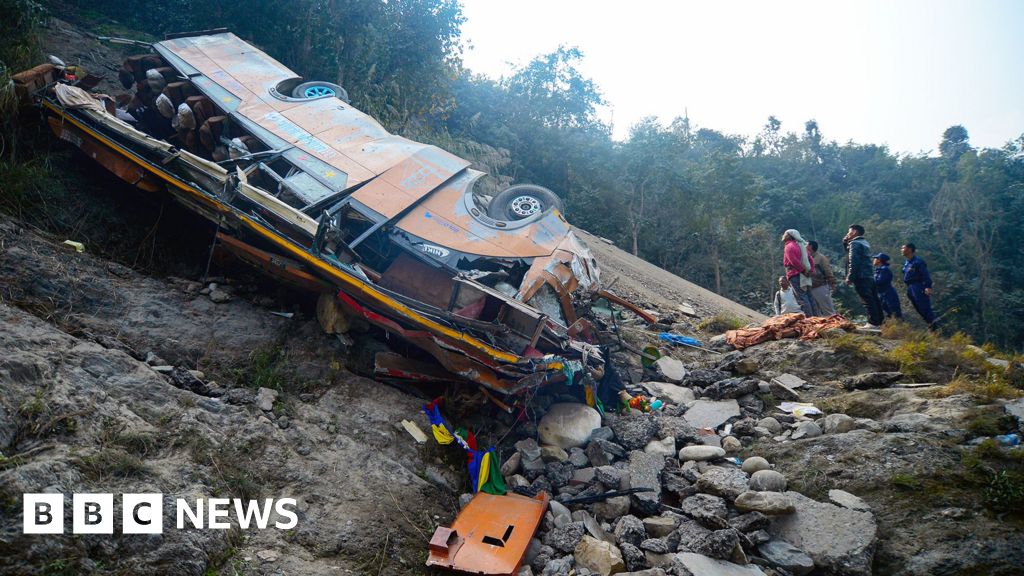
A devastating highway accident in central Nepal has claimed the lives of nineteen individuals, including a 24-year-old British national, underscoring the persistent and grave dangers of road travel within the Himalayan nation, particularly along its treacherous mountainous routes. The incident unfolded in the early hours of Monday morning, when a passenger bus, transporting both local commuters and international tourists, veered off course and plunged approximately 200 meters down an embankment into the Trishuli River basin in the Dhading district. This catastrophic event, originating from the popular lakeside city of Pokhara and bound for the capital, Kathmandu, left twenty-five others among the forty-four occupants, including the driver, with varying degrees of injury, prompting a significant emergency response and renewed scrutiny of Nepal’s transport safety protocols.
The ill-fated journey began in Pokhara, a renowned hub for adventure tourism and a gateway to the Annapurna mountain range, heading east towards Kathmandu. The bus was traversing the Prithvi Highway, a critical artery connecting the two major urban centers, known for its winding sections and challenging terrain. Investigators are currently attempting to reconstruct the sequence of events that led to the vehicle losing control at a critical juncture, resulting in its dramatic descent onto the riverbank. Initial reports from local law enforcement confirm the high fatality count, with the majority of victims perishing at the scene, and two succumbing to their injuries after being transported for medical attention. Among the injured, a Chinese national and a New Zealander have been identified, further highlighting the international dimension of this tragedy. All survivors requiring medical intervention have been transferred to hospitals in Kathmandu, where they are receiving urgent care for their injuries. The British Foreign, Commonwealth & Development Office has acknowledged the incident and is reportedly engaging with Nepalese authorities to provide consular support to the affected British national’s family.
This recent catastrophe casts a somber shadow over Nepal’s vital tourism sector and amplifies long-standing concerns regarding the safety standards of its road network. The nation’s topography, dominated by the formidable Himalayas and the rugged Mahabharat Range, presents inherent engineering and maintenance challenges for road construction. Many of the country’s highways are characterized by narrow passages, precipitous drops, and a general lack of protective barriers, making them inherently risky, particularly during adverse weather conditions or periods of heavy traffic. The Prithvi Highway, while crucial for connectivity, is notorious for its accident rates due to these very factors.
Beyond the geographical hurdles, systemic issues contribute significantly to Nepal’s high incidence of road fatalities. Vehicle roadworthiness is a pervasive concern; many public transport vehicles, including buses, are often poorly maintained, operating with worn-out tires, faulty braking systems, and inadequate safety features. Economic pressures frequently lead operators to defer essential maintenance, compromising passenger safety for operational continuity. Compounding this is the issue of driver conduct. Practices such as speeding, reckless overtaking, driving under the influence of fatigue or intoxicants, and overloading of vehicles are regrettably common. The enforcement of traffic laws and regulations is often inconsistent, with limited resources allocated to traffic policing and a perceived leniency in penalties, which collectively foster an environment where unsafe driving behaviors persist.
Nepal’s regulatory framework for transport safety, while existent, often struggles with effective implementation and oversight. The Department of Transport Management is tasked with vehicle registration, licensing, and setting safety standards, but the practical application of these mandates across the vast and varied landscape of Nepal proves challenging. Corruption, insufficient inspection facilities, and a lack of trained personnel further impede efforts to ensure compliance. The recent incident serves as a stark reminder of these systemic vulnerabilities, echoing previous tragedies such as the one earlier in 2024, where fourteen individuals lost their lives when another bus travelling from Pokhara to Kathmandu plunged into the Marsyangdi River in the Tanahun district. These recurring events underscore a pattern of preventable accidents rooted in a complex interplay of infrastructure deficits, regulatory gaps, and operational negligence.
The implications of such incidents extend beyond the immediate human tragedy, impacting Nepal’s international standing and its economy. Tourism is a cornerstone of the Nepalese economy, attracting hundreds of thousands of visitors annually, drawn by the country’s natural beauty, cultural heritage, and unparalleled trekking and mountaineering opportunities, including access to Mount Everest. Incidents involving international visitors, particularly fatal ones, generate negative publicity and can deter potential tourists, who may perceive the country as unsafe. This perception, if widespread, could have long-term detrimental effects on the livelihoods of countless Nepalis dependent on the tourism sector, from tour operators and hoteliers to local guides and porters. Consular services from affected nations play a critical role in the aftermath of such events, providing support to victims and their families, coordinating with local authorities, and often advocating for improved safety measures.
Addressing the multifaceted challenge of road safety in Nepal requires a comprehensive and sustained effort. Immediate measures should include enhanced on-site investigations to determine the precise cause of the crash, which can inform future preventative strategies. Beyond this, a national commitment to upgrading road infrastructure is imperative. This involves not only constructing new roads but critically, improving the safety features of existing ones, such as widening narrow sections, installing robust guardrails, improving signage, and implementing effective landslide prevention measures, particularly along vulnerable mountain passes. Investment in modern road engineering techniques and materials, potentially with international technical assistance, could yield significant improvements.
Furthermore, a rigorous overhaul of vehicle inspection and maintenance standards is essential. This would entail mandatory, frequent, and uncompromised safety checks for all public transport vehicles, coupled with severe penalties for non-compliance. Driver training programs need to be revamped, focusing on defensive driving techniques, adherence to speed limits, and awareness of road conditions. Stricter licensing procedures and ongoing professional development for commercial drivers could help professionalize the sector. Simultaneously, law enforcement agencies require greater resources and training to enforce traffic regulations more effectively and consistently, thereby instilling a culture of safety on the roads. Public awareness campaigns, targeting both drivers and passengers, can also play a crucial role in promoting safer travel habits and empowering passengers to demand safer conditions.
In the longer term, Nepal could explore integrating advanced technologies for road safety, such as intelligent transport systems, real-time traffic monitoring, and emergency response coordination platforms. Strengthening emergency medical services and improving accessibility to remote accident sites are also critical components of a holistic safety strategy. The frequency and severity of road accidents in Nepal demand not just reactive responses but proactive, systemic reforms that prioritize human life over all other considerations. The tragic loss of life on the Trishuli River serves as a poignant and urgent call for collective action to transform Nepal’s perilous highways into safer conduits for its citizens and its many international guests.



 Safa Marwah
 Aura Kasih