Lisa Mariana
A coroner’s jury has delivered a poignant verdict, confirming that former "Strictly Come Dancing" luminary Robin Windsor tragically ended his own life, with their findings underscoring a multifaceted deterioration in his mental well-being attributed to an "accumulation of many attributes to depression," profoundly influenced by a unique vulnerability to both emotional and professional rejection. The accomplished dancer, who graced the screens of the popular BBC One series from 2010 to 2013, passed away at the age of 44 in February 2024, leaving behind a legacy of vibrant performances and now, a somber reflection on the unseen battles faced by public figures. The detailed proceedings at West London Coroner’s Court have shed critical light on the complex interplay of personal history, career pressures, and systemic support gaps that contributed to his untimely demise.
The inquest, a formal investigation into the circumstances of a death, meticulously examined the final period of Windsor’s life, culminating in the jury’s unanimous conclusion. After approximately two hours of careful deliberation, the foreperson articulated the core findings, painting a comprehensive picture of the dancer’s internal struggles. The jury identified a critical thread originating from "childhood trauma," suggesting a foundational vulnerability that likely predisposed him to later emotional challenges. This early experience, they concluded, rendered him exceptionally susceptible to the sting of rejection, both in his personal relationships and his professional endeavors, a sensitivity that proved particularly detrimental within the high-stakes environment of show business.
Beyond these foundational vulnerabilities, the jury pinpointed several acute stressors that exacerbated his condition. A pervasive sense of "loneliness" was cited as a significant contributor, highlighting the isolating nature that can often accompany public life, even for those seemingly surrounded by adoration. This emotional isolation was coupled with a perceived "lack of emotional maturity," suggesting difficulties in processing and coping with the intense emotional demands of his life. The tangible weight of "mounting debts" added a layer of profound financial anxiety, a common yet often overlooked factor in mental health crises. Furthermore, the inquest critically noted a "lack of consistent mental health care and support," implying systemic deficiencies in providing the ongoing, tailored assistance Windsor required. Finally, the recurrent pain of "recurring heartache" from relationship difficulties was recognized as a persistent emotional drain, compounding his overall distress. These elements, interwoven, were collectively deemed "contributing factors of Robin Jamie Windsor’s mental health deterioration which in turn led him to take his own life."
Dr. Anton van Dellen, the presiding coroner, acknowledged the profound sadness of the verdict while offering words of solace to Windsor’s grieving family. He expressed hope that they might find a measure of comfort in the immense joy and positive impact Robin Windsor had on countless individuals throughout his career. "That is a wonderful legacy," Dr. van Dellen remarked, emphasizing the enduring affection and admiration the public held for him. Addressing the family directly, he encouraged them to focus on the "happy times he brought to the public and the deep affection the public held him in," a testament to his vibrant stage presence and charismatic personality.
Throughout the inquest, testimonies from close friends and professional colleagues provided crucial insights into Windsor’s escalating struggles. Among those who gave evidence was actress Lisa Riley, a former "Strictly" dance partner, who spoke candidly about his gradual descent "deeper and deeper into endless depression" following his departure from the highly successful television program. Riley’s observations underscored the immense pressure associated with maintaining a high public profile and the devastating psychological impact when that spotlight diminishes. She recounted instances where Windsor was "drowning in debts," illustrating the acute financial strain that often accompanies career instability, and grappling with the emotional turmoil of "failing" relationships. Her testimony painted a picture of a man increasingly overwhelmed by a convergence of professional and personal setbacks.
Marcus Collins, a singer and "X Factor" star who had been in a relationship with Windsor, further corroborated the timeline of his mental health decline. Collins testified that Windsor’s well-being significantly "deteriorated" in 2014, precisely after he was informed that his services were no longer required for "Strictly Come Dancing." This professional rejection, Collins emphasized, "really broke his spirit," highlighting the profound link between professional identity and self-worth for individuals in performance-based careers. Collins further elaborated on the subsequent challenges Windsor faced in attempting to "balance his mental health and finances," noting that from 2016 to 2024, his "mental health was pretty compromised and relationships with friends and partners came and went." These statements collectively painted a stark picture of a prolonged period of struggle, marked by instability and a diminishing sense of control over his life.
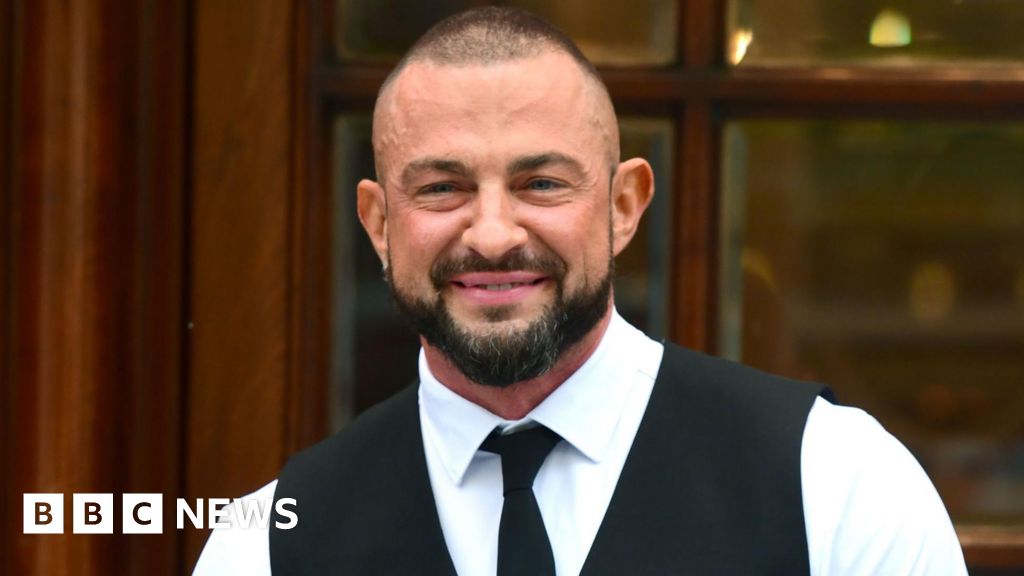
Perhaps most heartbreakingly, the coroner’s court was informed that Robin Windsor had left a note, a final communication that explicitly detailed the origins of his problems. In this poignant message, he directly attributed the commencement of his struggles to the loss of his position on "Strictly," articulating how this professional setback became a pivotal trigger. The note also referenced his profound battles with loneliness and the complexities of his personal relationships, echoing the sentiments expressed by his friends and the ultimate findings of the jury. This direct account from Windsor himself provided a harrowing confirmation of the internal landscape he navigated in his final years.
Robin Windsor, originally hailing from Ipswich, had captivated audiences with his dynamic performances alongside a roster of celebrity partners during his tenure on "Strictly Come Dancing." Beyond Lisa Riley, his professional dance journey on the show included pairings with notable figures such as Patsy Kensit, Anita Dobson, and Deborah Meaden. He also showcased his talent in festive specials, dancing with Sara Cox and Alison Hammond, further cementing his place in the hearts of the British public. His contributions to the show were marked by a blend of technical skill, engaging choreography, and an infectious enthusiasm that endeared him to millions.
The tragic passing of Robin Windsor and the subsequent findings of the inquest serve as a stark reminder of the often-hidden struggles faced by individuals, particularly those in the public eye. The entertainment industry, while offering immense opportunities for recognition and success, also presents unique challenges. The pressure to maintain an image, the transient nature of fame, the constant scrutiny, and the emotional investment in one’s craft can create a precarious environment for mental well-being. The transition from the zenith of public visibility to a less prominent role can be particularly jarring, leading to a profound sense of loss, identity crisis, and financial instability. For someone already predisposed to vulnerability through childhood trauma and sensitivity to rejection, such shifts can be devastating.
The jury’s emphasis on "lack of consistent mental health care and support" also brings to the forefront broader societal and systemic issues. Access to appropriate, long-term, and personalized mental health interventions remains a significant challenge for many, regardless of their public status. The complexities of mental health conditions often require sustained, multi-faceted support, which can be difficult to navigate and secure, especially when financial pressures are also a factor. Windsor’s case underscores the critical importance of a robust and accessible mental health infrastructure that can respond effectively to the diverse needs of individuals experiencing distress.
An inquest, in the United Kingdom, is a judicial inquiry into the cause and circumstances of a death, particularly when the death is sudden, unexpected, violent, or unnatural. Its primary purpose is not to attribute blame but to establish the facts surrounding the death, identify any contributing factors, and in some cases, make recommendations to prevent similar future occurrences. The detailed exploration of Robin Windsor’s life and the factors contributing to his suicide align with this fundamental purpose, offering crucial insights that may inform future discussions about mental health support, particularly within demanding professions.
The legacy of Robin Windsor extends beyond his memorable dance performances; it now encompasses a somber, yet vital, conversation about mental health, vulnerability, and the support systems in place for those who entertain us. His journey, from the glittering ballrooms of "Strictly" to the private anguish that ultimately consumed him, highlights the imperative for greater empathy, understanding, and proactive support for mental well-being across all segments of society. It is a powerful, albeit tragic, testament to the fact that internal battles can be profoundly complex and often invisible, even to those who appear to live lives of public triumph.
In light of the distressing nature of this story and the profound importance of mental health support, it is crucial to reiterate that help is available for those experiencing distress or despair. Organizations dedicated to providing support and guidance can be accessed through various helplines and online resources, offering a confidential space for individuals to seek assistance and companionship in their darkest moments. The hope is that through increased awareness and accessible support, future tragedies might be averted, allowing those struggling to find the strength and resources to navigate their challenges.




 Safa Marwah
 Aura Kasih
 Ridwan Kamil