Aura Kasih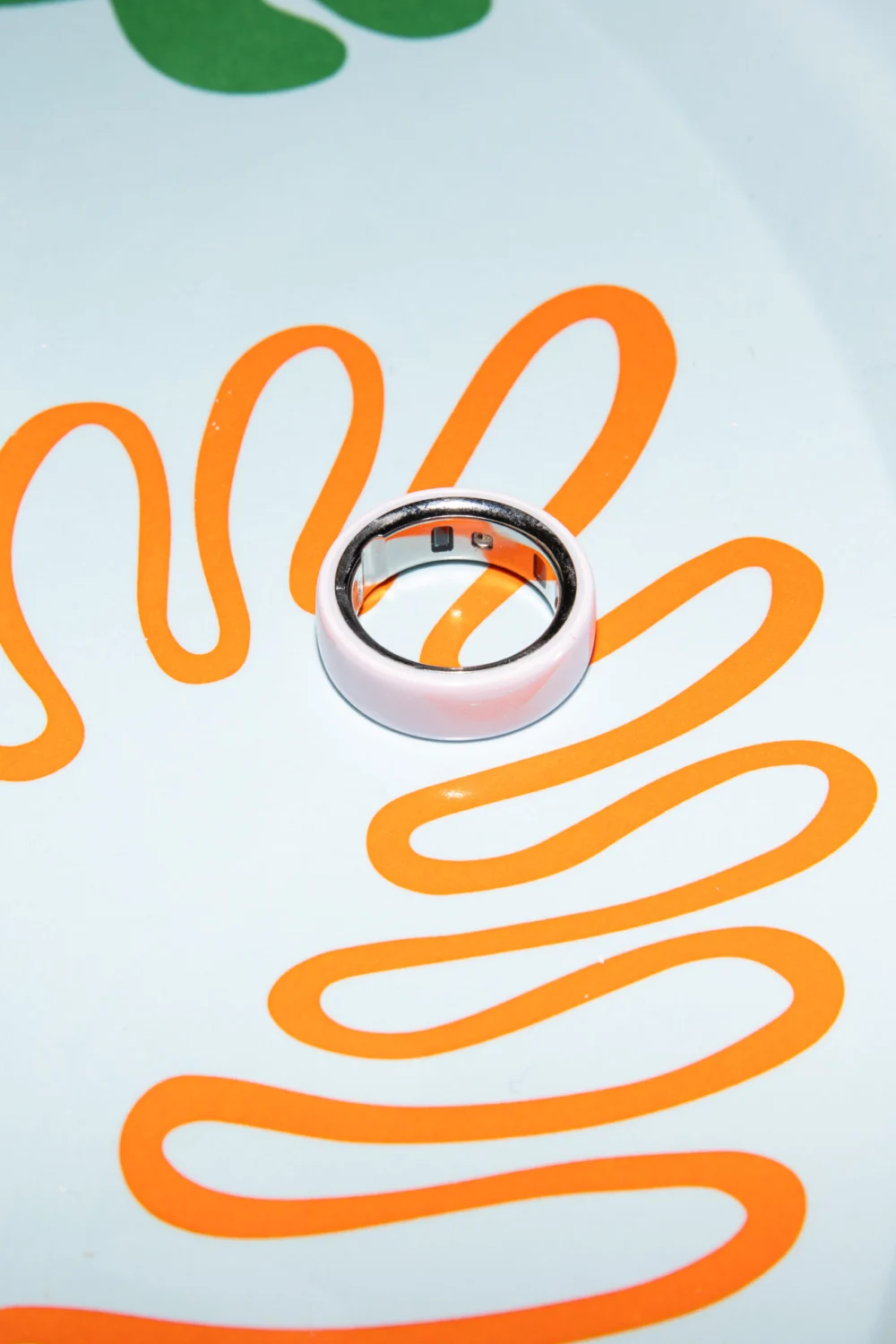
The burgeoning landscape of digital health and personal monitoring devices is experiencing a significant semantic drift, where the term "wellness" is increasingly being diluted, blurring the lines between proactive health management and essential medical care, with potentially far-reaching consequences for consumers and regulatory bodies alike.
The recent surge in lobbying efforts by prominent wearable technology companies, such as Oura Ring, to advocate for revised regulatory frameworks underscores a critical juncture in the evolution of health tech. Oura’s proposal to create a "digital health screener" category aims to exempt certain low-risk wearable features from the rigorous and often time-consuming clearance processes mandated by regulatory bodies like the Food and Drug Administration (FDA). This initiative, articulated by Oura CEO Tom Hale, highlights a fundamental challenge: the existing FDA classification system, which broadly categorizes health technology into "wellness" and "medical devices," struggles to adequately encompass the nuanced capabilities of modern wearables.
Historically, the FDA has defined "wellness" features as those intended for educational or entertainment purposes, thereby exempting them from oversight. These typically include metrics like step counts, sleep duration, and basic heart rate monitoring. In contrast, "medical devices" are defined as instruments intended to diagnose, treat, prevent, cure, or mitigate disease, illness, or conditions, and are classified based on their risk levels, ranging from low-risk items like tongue depressors to high-risk devices such as pacemakers. Wearables, with their ability to collect a spectrum of physiological data, often occupy a nebulous space between these two established categories, frequently presenting as low-to-moderate risk. The complexity arises when these devices begin to offer features that approach diagnostic capabilities, creating a regulatory grey area that companies are increasingly seeking to navigate.

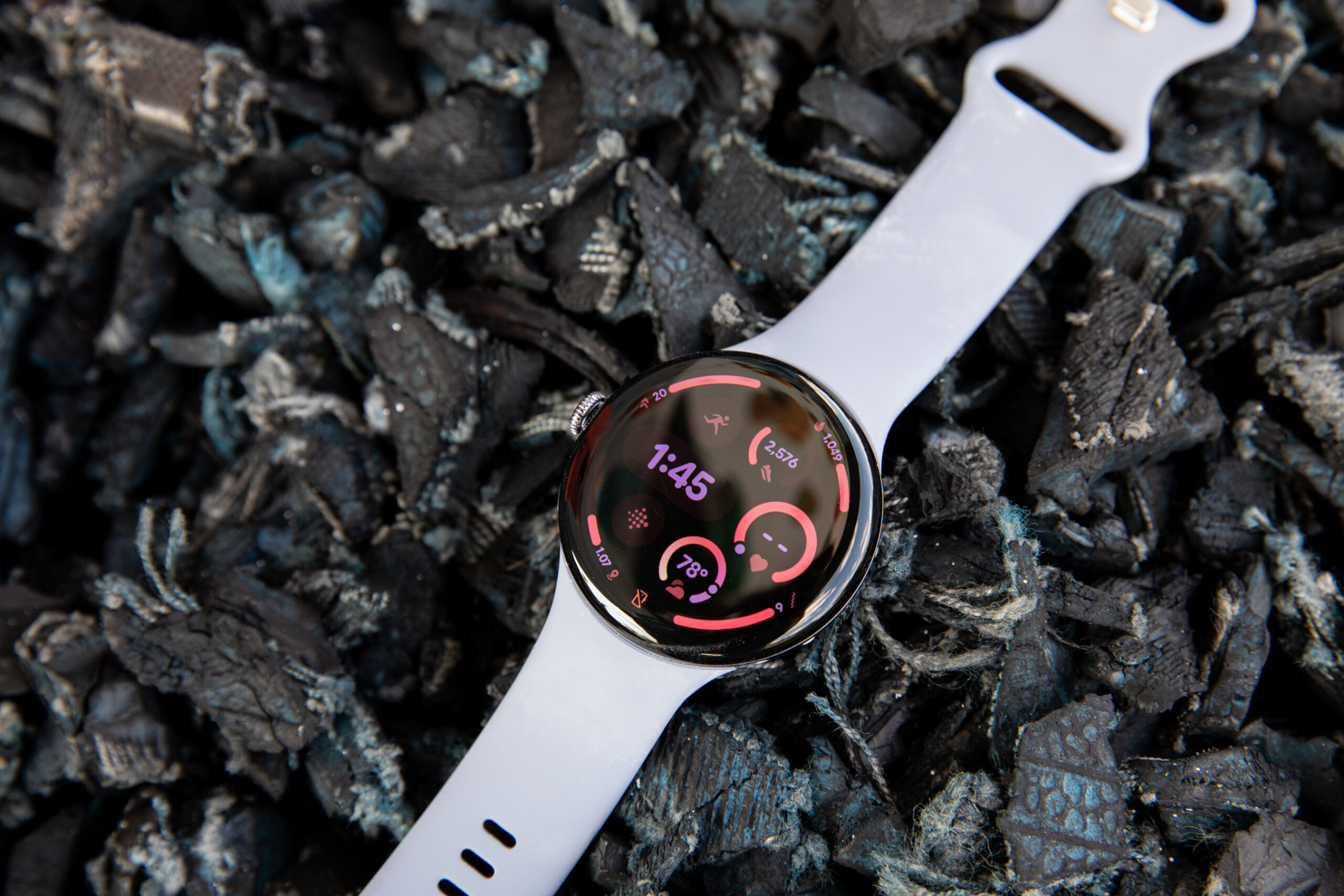
A pivotal moment in this evolving dynamic was Apple’s introduction of an electrocardiogram (EKG) sensor in the Apple Watch Series 4 in 2018. This innovation transformed the smartwatch from a discretionary fitness accessory into a device with the potential to identify significant health concerns, such as atrial fibrillation. While not a diagnostic tool itself, the EKG feature required FDA clearance due to its potential to inform medical treatment, illustrating how specific functionalities within a broader consumer product can trigger regulatory scrutiny. The FDA’s involvement ensures a level of safety and accuracy, requiring companies to conduct rigorous testing and adhere to data privacy protocols like HIPAA. However, the process of obtaining FDA clearance is notoriously arduous, demanding substantial financial investment and extended timelines, often spanning years and costing millions of dollars. This barrier can be particularly prohibitive for smaller companies, leading to a proliferation of "vaporware"—health tech concepts that never materialize due to regulatory hurdles.
To circumvent these extensive regulatory pathways, many wearable manufacturers opt to categorize advanced features under the "wellness" umbrella. This strategy often necessitates either diluting the actionable insights derived from the data to a point of limited practical utility or facing protracted delays in bringing new features to market. Oura’s proposition for a "digital health screener" category suggests a middle ground, aiming for a streamlined process that maintains a degree of rigor without the full burden of medical device clearance. This proposed classification would ideally be accompanied by clear guidelines, explicit disclaimers, and defined performance standards for accuracy and reliability, allowing for features that can alert users to potential health issues without crossing the threshold into formal diagnosis.
From a consumer perspective, the intention is that such features would feel seamless and reliable, as articulated by Dr. Ricky Bloomfield, Oura’s Chief Medical Officer. The emphasis, he suggests, is on ensuring products are accurate, easy to use, and genuinely contribute to health improvement, irrespective of the specific regulatory classification. Oura maintains that transparency regarding testing metrics would persist, underscoring that the proposed "digital health screener" classification is not intended to circumvent robust accuracy validation but rather to accommodate the rapid evolution of health technology. The core argument is that technological advancements are outpacing the FDA’s traditional regulatory cycles, necessitating a more agile framework.
However, the introduction of an additional, potentially nebulous classification raises significant concerns regarding clarity and consumer understanding. The distinction between FDA clearance for moderate-risk medical devices and FDA approval for high-risk devices and drugs is already a point of confusion for many. Adding a third category could further obfuscate these distinctions, particularly in an era where wellness influencers, often operating with limited scientific grounding, wield considerable influence over public health perceptions.

Furthermore, the increasing sophistication of wearable technology and the constant influx of physiological data can contribute to a phenomenon known as "wearable-induced health anxiety." Studies have indicated that a significant percentage of wearable users experience heightened fear and anxiety when presented with irregular heart rhythm notifications or other abnormal physiological alerts. This anxiety can lead to excessive testing, unnecessary medical consultations, and a pervasive sense of unease. The marketing narratives often employed by these companies, which frequently highlight the potential for devices to "save your life" or "help you live longer and healthier," inadvertently amplify this risk by creating an expectation that these devices are infallible guardians of health.
The notion that wearables empower individuals to "take control" of their health, while appealing, is an oversimplification. While self-quantification can be a valuable tool, it is not a substitute for professional medical guidance. The integration of wearable data into actual diagnostic and treatment plans remains a complex process, often requiring extensive consultation with healthcare professionals. Personal accounts of navigating chronic health issues often involve protracted journeys through multiple physicians and diagnostic pathways, even with the benefit of continuous data tracking.
While Oura’s advocacy for reform in the regulatory process addresses a legitimate challenge, it is crucial to consider whether regulatory reform alone is the sole solution. Effective regulation hinges on the ability to accurately delineate between low-risk wellness features and those that warrant medical device oversight. The more profound issue may lie in the broader societal struggle to clearly communicate the fundamental differences between general wellness practices and medically validated interventions.
The recent case of Whoop, another wearable company, highlights this ambiguity. The FDA issued a warning letter regarding their blood pressure feature, deeming it misleading and requiring clearance. Whoop countered by classifying it as a wellness feature. The feature’s ability to provide high or low blood pressure estimates, coupled with disclaimers that it was not a diagnostic tool, placed it squarely in a confusing grey zone. This situation was further complicated by subsequent FDA guidance in January which suggested that blood pressure features could be acceptable for wellness purposes if they merely provided informational data. This evolving guidance underscores the dynamic and often fluid nature of regulatory interpretation in the face of technological innovation.

Dr. Bloomfield acknowledges that the updated FDA guidance represents progress but emphasizes that significant discussion is still required. He points out that the January update was the first revision to wearable guidance since 2019, indicating the slow pace of regulatory adaptation. Oura’s interest in allowing digital screening features to specify what they are flagging, rather than resorting to vague pronouncements like "detecting early signs of changes in your health," is a notable aspect of this discussion. While specificity can enhance utility, it also raises questions about the precise line between informative screening and diagnostic pronouncements. As Dr. Bloomfield notes, even experts hold differing opinions on these matters, underscoring the collaborative effort needed to navigate this complex terrain.
Ultimately, while the pursuit of more efficient regulatory pathways for health tech is understandable, it is imperative that the fundamental distinction between wellness and medical care remains clear to the public. The current trajectory suggests that the concept of "wellness," already a broad and often loosely defined term, is at risk of losing its core meaning entirely within the health tech ecosystem. This semantic erosion, coupled with the increasing complexity of regulatory frameworks, necessitates a concerted effort from industry, regulators, and healthcare professionals to ensure that consumers are empowered with accurate information and not misled by the ever-expanding capabilities of wearable technology. The future of personal health monitoring hinges on maintaining a robust and transparent understanding of what these devices can and cannot do, and precisely where the boundary lies between personal well-being and essential medical intervention.




 Safa Marwah
 Ridwan Kamil