Aura Kasih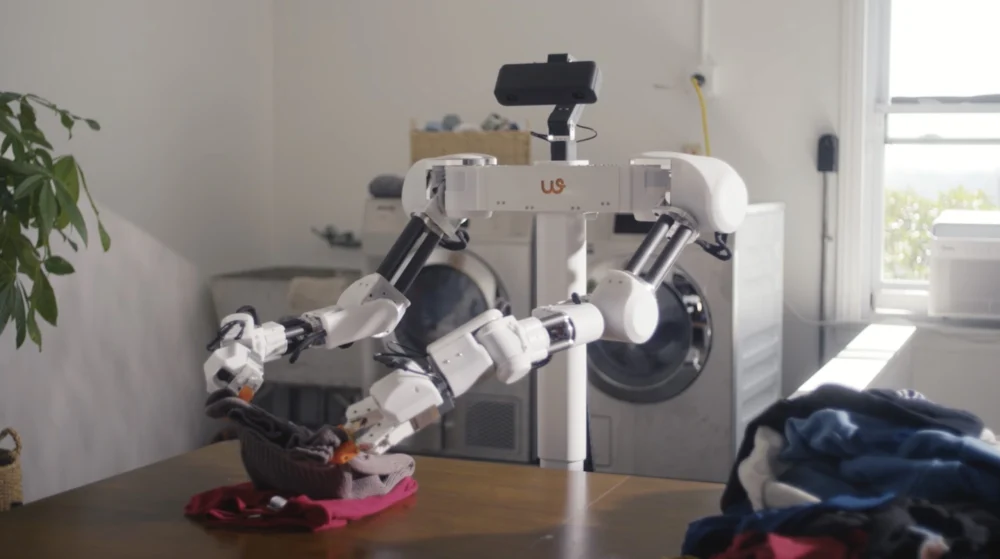
A nascent player in the burgeoning field of home robotics has unveiled a product designed to tackle one of the most universally disliked household chores: folding laundry. The company, Weave, has introduced its inaugural offering, the Isaac 0, a stationary robotic system priced at a considerable $7,999, with an additional $250 deposit required for early adopters. This high-cost entry point underscores the current developmental stage of domestic robotics, where sophisticated automation for mundane tasks remains a luxury rather than a widespread convenience. The Isaac 0’s capabilities, while ambitious for a first-generation product, are presented with a realistic set of limitations, highlighting the intricate challenges inherent in replicating human dexterity and judgment within a home environment.
The introduction of the Isaac 0 by Weave signifies a tangible, albeit expensive, step towards realizing the long-held vision of automated household assistance. This robotic unit, designed to operate from a fixed location and requiring only a standard wall outlet for power, aims to alleviate the tedium associated with garment preparation. However, its current functionality is meticulously defined, with Weave acknowledging that the system is not yet equipped to handle the full spectrum of laundry items. Specifically, the robot’s operational parameters exclude large linens such as bed sheets and blankets, as well as garments that are inverted or possess complex structural elements that would impede its folding mechanisms. The process itself is also time-intensive, with Weave estimating that folding a single load of laundry can take between 30 to 90 minutes. This duration suggests a deliberate and methodical approach by the robot, prioritizing accuracy over speed in its current iteration.
Furthermore, the Isaac 0 does not operate with complete autonomy. Weave has incorporated a system that includes remote teleoperators who can intervene and provide assistance when the robot encounters particularly challenging folding scenarios. This hybrid approach, blending robotic execution with human oversight, is indicative of the current limitations in artificial intelligence and robotic manipulation, particularly when dealing with the variability and subtle nuances of fabric. The company, however, expresses confidence in the system’s capacity for improvement over time, suggesting that ongoing software development and potential hardware refinements will enhance its independent operational capabilities. This reliance on remote human intervention, while pragmatic for product launch, raises questions about the true ‘hands-off’ convenience offered to the end-user and the ongoing operational costs that might be associated with such a service model.
The market for chore-executing robots is witnessing a significant surge in investment and innovation, with numerous companies striving to introduce automated solutions for everyday tasks. Weave’s foray into laundry folding positions it within a competitive landscape that includes established technology giants and agile startups alike. The Consumer Electronics Show (CES) has become a prominent platform for showcasing these advancements, with recent iterations of the event featuring a notable focus on laundry automation. Companies such as LG, with its CLOiD robot, and SwitchBot, presenting its Onero H1, have demonstrated their own aspirations in this domain. These public displays underscore a collective industry belief that laundry presents a prime opportunity for robotic intervention, given its repetitive nature and the widespread desire to offload this domestic burden.
However, the practical integration of such sophisticated robots into the average home environment remains a subject of considerable debate and cautious optimism. The technological hurdles are substantial, encompassing not only the precise manipulation of diverse fabric types and sizes but also the development of robust and adaptable artificial intelligence capable of navigating the unpredictable variables of a domestic setting. Factors such as varying lighting conditions, the presence of other household objects, and the inherent inconsistencies in garment shape and texture all contribute to the complexity of creating a truly seamless and reliable home-roboric experience. The performance of these early-stage robots, while impressive in controlled demonstrations, often reveals significant discrepancies when deployed in real-world, unscripted environments.

The economic calculus of owning a $7,999 robot that takes up to 90 minutes to fold a load of laundry, and still requires human intervention for certain items, presents a significant barrier to widespread adoption. For the average consumer, the value proposition must be weighed against the cost and the actual time savings achieved. In many instances, the time spent loading and unloading the robot, as well as managing the teleoperator assistance, might negate the perceived benefits of automated folding. This pricing strategy suggests that the Isaac 0 is currently targeting a niche market of early adopters, affluent households, or perhaps even commercial establishments that can leverage the robot’s capabilities for specific, high-volume laundry operations. The high cost also reflects the substantial research and development expenditure required to bring such complex technology to market.
The development of the Isaac 0 is a testament to the advancements in areas such as robotics, computer vision, and artificial intelligence. The ability of the robot to identify, grasp, and manipulate different articles of clothing, even with assistance, is a considerable engineering feat. The underlying technology likely involves sophisticated sensors, precise robotic arms, and advanced algorithms for object recognition and manipulation. The iterative nature of the product’s development, with Weave emphasizing future performance improvements, suggests a commitment to refining the core technology. This iterative process is common in the robotics industry, where initial product releases often serve as platforms for gathering real-world data and user feedback to inform subsequent generations of more capable and efficient machines.
The concept of a "chore robot" has long been a staple of science fiction, promising a future where domestic drudgery is relegated to machines. While the Isaac 0 falls short of the fully autonomous, multi-tasking household assistants envisioned in popular culture, it represents a concrete manifestation of this aspiration. The challenges it faces are not unique to Weave but are characteristic of the broader robotics industry attempting to bridge the gap between laboratory innovation and practical, everyday application. The successful integration of robots into homes will depend on a confluence of factors, including significant reductions in cost, demonstrable improvements in performance and reliability, and the development of intuitive user interfaces that do not require specialized technical knowledge.
Looking ahead, the trajectory of domestic robotics will likely involve a gradual evolution. Initial products will focus on single, well-defined tasks, similar to the Isaac 0’s laundry folding capability. As the technology matures and becomes more cost-effective, we can expect to see robots capable of performing a wider range of domestic chores, potentially integrating multiple functionalities into a single unit. The long-term vision may include robots that can not only fold laundry but also sort it, wash it, and even put it away. The development of more advanced AI will be crucial, enabling robots to understand context, adapt to changing environments, and interact more naturally with human inhabitants.
The ethical and societal implications of widespread domestic automation are also subjects of ongoing discussion. While the prospect of having more leisure time and reduced household burdens is appealing, concerns about job displacement in sectors related to domestic services and the potential for increased social isolation due to reduced human interaction in shared domestic tasks warrant careful consideration. Furthermore, the accessibility and affordability of these technologies will play a critical role in determining whether they exacerbate existing societal inequalities or contribute to a more equitable distribution of convenience and comfort.
The current limitations of the Isaac 0, particularly its speed and the need for human oversight, serve as a valuable benchmark for understanding the state of robotic technology in the home. It highlights that while artificial intelligence and robotics are advancing rapidly, the nuanced and complex demands of a domestic environment present formidable challenges. The success of Weave and similar companies will ultimately hinge on their ability to overcome these obstacles, not just through technological innovation but also by developing products that offer a compelling and justifiable return on investment for consumers. The $7,999 price tag for the Isaac 0 positions it as a luxury item, and its ability to capture a broader market will depend on significant advancements in both performance and affordability in future iterations. The journey towards fully automated homes is still in its early stages, and products like the Isaac 0, with their notable capabilities and equally notable limitations, offer a crucial insight into the road ahead.




 Lisa Mariana
 Safa Marwah
 Ridwan Kamil