Aura Kasih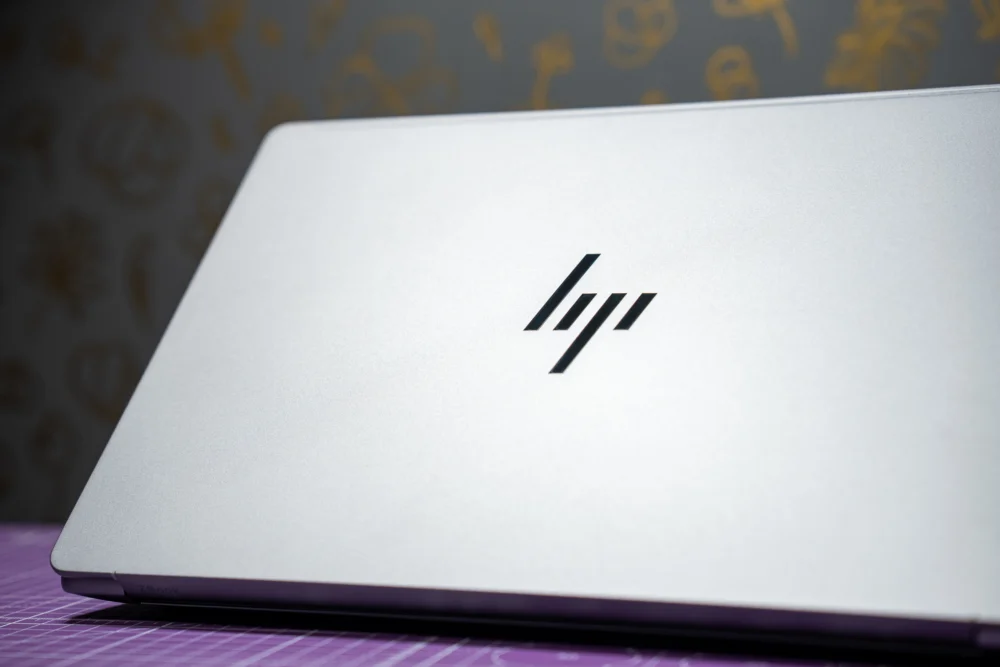
HP’s recent foray into a subscription-based model for its consumer and gaming laptop lines has ignited a significant debate within the tech community, raising critical questions about the true value proposition for consumers and the long-term implications of such hardware-as-a-service offerings. While the allure of regularly upgrading to the latest technology without a substantial upfront investment may seem appealing on the surface, a deeper analysis reveals a financial model that predominantly benefits HP, potentially at the expense of consumer affordability and ownership.
The proliferation of subscription services across virtually every sector of modern life, from entertainment and software to even essential utilities, has created a societal shift towards access over ownership. This trend, while convenient in many contexts, presents a more complex calculus when applied to durable goods like personal computers. HP’s offering, which allows users to lease selected consumer and gaming laptops for a recurring monthly fee, aims to capitalize on this evolving consumer mindset. The service presents a tiered structure, with productivity laptops starting at $34.99 per month and gaming models commencing at $49.99 monthly. These plans are designed with a low barrier to entry, requiring no initial down payment or setup fee, beyond a routine credit assessment. A key feature touted by HP is the inclusion of comprehensive support, offering 24/7 access to live agents, alongside the ability to upgrade to a newer model after a 12-month period. This annual refresh capability is positioned as the primary draw, catering to individuals who prioritize staying at the forefront of technological advancement and consistently desire the latest hardware.

However, the fundamental structure of these subscription agreements carries significant financial ramifications for the consumer. Unlike traditional financing or leasing arrangements that often culminate in an option to purchase the device, HP’s program explicitly states that subscribers will never own the laptop. Furthermore, there is no provision for a buyout at the end of the subscription term. This means that even after years of consistent monthly payments, the user remains a renter, never accumulating equity in the device. The implications of early termination are particularly severe. A customer electing to cancel their subscription after the initial 30-day trial period, which allows for a full refund, faces substantial penalties. For instance, discontinuing a $130 monthly plan for an Omen Max 16 on day 31 could incur fees exceeding $1,429, reflecting the remaining balance of the year-long commitment.
The penalties extend beyond mere early termination fees. The terms and conditions stipulate that failure to return the leased hardware upon cancellation, whether early or at the end of the term, results in a non-return fee equivalent to the laptop’s full Manufacturer’s Suggested Retail Price (MSRP). This is a critical point, as it means a customer could potentially pay the full retail value of the laptop through monthly installments and still be obligated to pay the MSRP again if the device is not returned. This creates a scenario where a consumer could end up paying significantly more than the outright purchase price without ever gaining ownership. Moreover, HP reserves the right to remotely disable the laptop if payments become delinquent and can refer outstanding debts to collection agencies, which could severely damage an individual’s credit score.
The financial viability of these subscriptions is further undermined when compared to prevailing market prices for HP laptops. While the subscription model positions itself as an accessible entry point, an in-depth cost analysis reveals that it often becomes a more expensive proposition over time than purchasing the device outright, even when considering current retail discounts. For example, the HP EliteBook 6 G1q, with an MSRP of $3,206, is available for subscription at $84.99 per month. After one year, the total cost reaches $1,019.88. However, at the time of this analysis, the same configuration was available for purchase directly from HP for approximately $1,763.30. This means that after just 21 months of subscription payments, the total expenditure would surpass the retail purchase price. When comparing the subscription cost to the MSRP, the break-even point is pushed even further to 38 months, a duration far exceeding the typical lifecycle of a consumer laptop.

This pattern holds true across the majority of HP’s subscription offerings. The table below illustrates the stark financial disparity:
| Laptop | Monthly Fee | Total After One Year | MSRP | Current Retail Price | Months to Match Retail | Months to MSRP |
|---|---|---|---|---|---|---|
| HP EliteBook 6 G1q 14 | $84.99 | $1,019.88 | $3,206.00 | $1,763.30 | 21 | 38 |
| HP OmniBook X Flip 14 | $54.99 | $659.88 | $1,299.99 | $809.99 | 15 | 24 |
| HP Envy 17 | $44.99 | $539.88 | Discontinued | N/A | N/A | N/A |
| HP Pavilion 16 | $34.99 | $419.88 | Discontinued | $679.99 | 19 | N/A |
| Omen Max 16 | $129.99 | $1,559.88 | $3,299.99 | $2,499.99 | 19 | 25 |
| Omen 17 | $79.99 | $959.88 | $1,999.99 | $1,899.99 | 24 | 25 |
| Omen 16 | $69.99 | $839.88 | $1,199.99 | $949.99 | 14 | 17 |
| Victus 15 | $49.99 | $599.88 | $1,199.99 | $949.99 | 19 | 24 |
It is crucial to note that these calculations are based on current retail prices, which often reflect significant discounts from the stated MSRP. HP’s own website and major electronics retailers frequently offer these models at prices considerably lower than their suggested retail value. The subscription model, by contrast, is tied to monthly payments that, over the long term, invariably exceed the actual market value of the device. The ability to upgrade after 12 months, while presented as a benefit, merely resets the clock on a costly rental agreement, with the potential for future price adjustments as HP’s terms state: "If You elect to receive a Laptop Upgrade, Your Fee in subsequent months may change." This introduces an element of financial uncertainty for the subscriber.
The target demographic for such subscription services often includes individuals with lower or fluctuating incomes who may find substantial upfront purchases prohibitive. While the low initial cost of entry can be tempting, the long-term financial burden and the absence of ownership rights can lead to a cycle of debt and diminished purchasing power. This model mirrors some predatory lending practices, where accessibility is prioritized over long-term financial well-being. For consumers facing budgetary constraints, exploring options such as purchasing a used or refurbished laptop from a reputable vendor, or opting for older but still capable models, would provide genuine ownership and a more sustainable path to acquiring necessary technology.

The strategy behind HP’s subscription service appears to be rooted in the lucrative potential of recurring revenue streams, a business model that has proven highly successful for software and content providers. By converting hardware sales into long-term service contracts, HP can secure predictable income, reduce the impact of seasonal sales fluctuations, and potentially increase overall profit margins through the management of asset depreciation and resale. Furthermore, retaining ownership of the hardware allows for more control over the product lifecycle, including refurbishment and remarketing of returned devices. This model shifts the financial risk associated with technological obsolescence from the consumer to the manufacturer.
However, the ethical considerations of marketing such a financially disadvantageous model to consumers, particularly those who may be less financially savvy, warrant scrutiny. The absence of clear communication regarding the total cost of ownership over an extended period, coupled with the severe penalties for non-compliance, raises concerns about consumer protection. The ability to remotely lock devices and involve collection agencies introduces a level of financial coercion that is disproportionate to the nature of a hardware rental agreement.
In conclusion, while HP’s laptop subscription service offers a low entry point and the convenience of regular upgrades, it represents a financially suboptimal choice for the vast majority of consumers. The model prioritizes HP’s recurring revenue goals over consumer value and ownership, creating a scenario where users pay a premium for temporary access to technology they will never own. The financial penalties for early termination and non-return are substantial, potentially leading to a total expenditure far exceeding the outright purchase price of the device. Consumers seeking a more economically sound and empowering approach to acquiring personal computing hardware are advised to prioritize direct purchase options, including exploring the robust secondary market for used and refurbished devices. The long-term implications of this subscription trend for the broader consumer electronics market remain to be seen, but for now, HP’s offering appears to be a significantly better deal for the company than for its customers.


 Safa Marwah
 Ridwan Kamil