Aura Kasih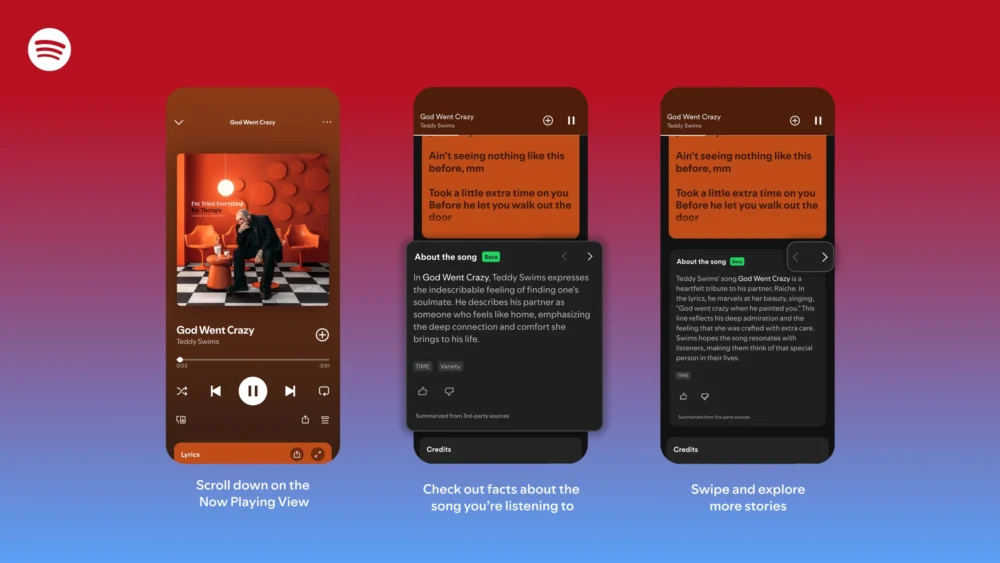
In a significant stride towards enriching the listening experience beyond mere auditory consumption, Spotify has introduced "About the Song," an innovative beta feature designed to provide users with a comprehensive narrative and contextual tapestry woven around their most cherished musical pieces. This new addition, initially accessible to premium subscribers, promises to transform passive playback into an active exploration of a song’s origins, influences, and the intricate creative processes that brought it to life.
The streaming giant’s latest initiative, "About the Song," represents a strategic pivot to imbue its platform with layers of informational depth, moving beyond its primary function of music delivery. This feature, currently in its nascent stages and limited to a select catalog of tracks, aims to bridge the gap between listener and creator by offering curated insights into the genesis of musical works. Premium subscribers will find this new section readily available within the "Now Playing" interface, allowing for seamless access to a wealth of supplementary material. While the initial rollout is confined, Spotify has indicated a clear roadmap for expansion, suggesting that "About the Song" is poised to become a pervasive element of the user experience.
At its core, "About the Song" functions by presenting users with digestible, swipeable cards, each containing a nugget of trivia or background information. These insights are meticulously compiled from a diverse array of third-party sources, a testament to Spotify’s commitment to leveraging external expertise and data. The textual content is generated through sophisticated machine learning algorithms, a modern approach to information synthesis. Crucially, Spotify maintains transparency by citing its sources directly on these informational cards, allowing users to verify and delve deeper into the provenance of the data presented. The company has remained circumspect regarding the future accessibility of this feature to its free user base and the definitive timeline for its transition out of beta, a common practice for platforms testing new functionalities.
This development is not an isolated event but rather a logical extension of Spotify’s ongoing strategy to cultivate value-added features that transcend the basic provision of music. The platform has been progressively investing in features that foster a deeper connection between listeners and the artistic output they engage with. Late last year, Spotify enhanced its "Song Credits" and "SongDNA" functionalities, offering users unprecedented visibility into the myriad individuals and creative forces behind their favorite tracks. This expanded information not only highlights the composers, lyricists, producers, and engineers but also begins to illuminate the intricate web of influences and collaborations that shape a song’s unique identity.
The acquisition of WhoSampled in November 2025 marked a pivotal moment in this strategic evolution. WhoSampled, a preeminent authority on music sampling, provides Spotify with access to an extraordinarily comprehensive database detailing sample credits. This vast repository of information is instrumental in enriching both the "SongDNA" feature, by mapping sonic lineage, and the newly introduced "About the Song" section, by providing historical context and tracing the lineage of musical ideas. By integrating such specialized knowledge, Spotify is not merely curating music; it is actively constructing a more nuanced and informative ecosystem around it.
The implications of "About the Song" extend far beyond mere entertainment. For artists, it offers a novel avenue to connect with their audience on a more profound level, sharing the stories, inspirations, and challenges that informed their creative endeavors. This can foster a greater appreciation for their craft and potentially lead to increased engagement and loyalty. For listeners, particularly those with a keen interest in musicology or the intricacies of production, the feature serves as an educational tool, demystifying the creative process and providing a richer understanding of musical evolution. It transforms passive listening into an active learning experience, encouraging curiosity and a more analytical engagement with the music they consume.

From an industry perspective, "About the Song" positions Spotify as a thought leader in content enrichment within the digital music landscape. By pioneering such features, the company not only differentiates itself from competitors but also sets a new standard for what users can expect from a streaming service. This focus on context and narrative can foster a more discerning and appreciative audience, contributing to a healthier and more vibrant music ecosystem overall. The ability to aggregate and present such detailed information efficiently also speaks to Spotify’s growing prowess in data management and artificial intelligence, underscoring its ambition to be more than just a music library, but a comprehensive music intelligence platform.
The technological underpinnings of "About the Song" are particularly noteworthy. The reliance on machine learning for text generation, coupled with the meticulous sourcing from third-party databases, represents a sophisticated approach to content creation and curation. While the use of AI in generating informational content is becoming increasingly common, Spotify’s emphasis on citing its sources is a crucial element of its credibility. This ensures that the information provided is not only accessible but also reliable, fostering trust between the platform and its users. The iterative nature of beta testing will undoubtedly allow Spotify to refine its algorithms, improve the accuracy and relevance of the information presented, and identify new avenues for contextual enrichment.
The long-term vision for "About the Song" likely involves a significant expansion of its catalog coverage and a potential integration with other Spotify features. Imagine a future where a user discovers a song through a personalized playlist, then delves into "About the Song" to learn about its historical context, followed by exploring the artist’s other works or even participating in discussions about the song within a community forum. This vision of a deeply interconnected and contextually rich music experience is precisely what "About the Song" seems designed to facilitate. The potential for this feature to surface hidden gems, connect users with artists they might not have otherwise discovered, and foster a greater understanding of musical diversity is immense.
Furthermore, the data generated by user interactions with "About the Song" could provide Spotify with invaluable insights into listener preferences beyond simple playback. Understanding which contextual elements resonate most with users – be it lyrical interpretation, production techniques, historical influences, or biographical details of the creators – could inform future feature development, content curation strategies, and even artist recommendations. This feedback loop is critical for any platform aiming to maintain its competitive edge and continually evolve its offerings.
The strategic acquisition of WhoSampled cannot be overstated in its impact on this initiative. By securing access to such a specialized and authoritative database, Spotify has gained a significant advantage in its ability to provide granular detail about music. This not only enhances "About the Song" but also lays the groundwork for future explorations into music genealogy and influence mapping. It suggests a long-term commitment to building a platform that not only streams music but also deeply understands and articulates its intricate relationships and historical trajectories.
In conclusion, Spotify’s "About the Song" is a forward-thinking innovation that signals a new era in music streaming. By prioritizing context, narrative, and educational enrichment, the platform is moving beyond the transactional nature of playback to cultivate a more engaged, informed, and appreciative global audience. As the feature evolves out of beta and expands its reach, it has the potential to redefine the user experience, empower artists, and solidify Spotify’s position as a central hub for all facets of musical discovery and appreciation. The ability to transform a simple listening session into an intellectual and emotional journey underscores Spotify’s commitment to innovation and its understanding of the evolving desires of modern music consumers.




 Lisa Mariana
 Safa Marwah
 Ridwan Kamil