Lisa Mariana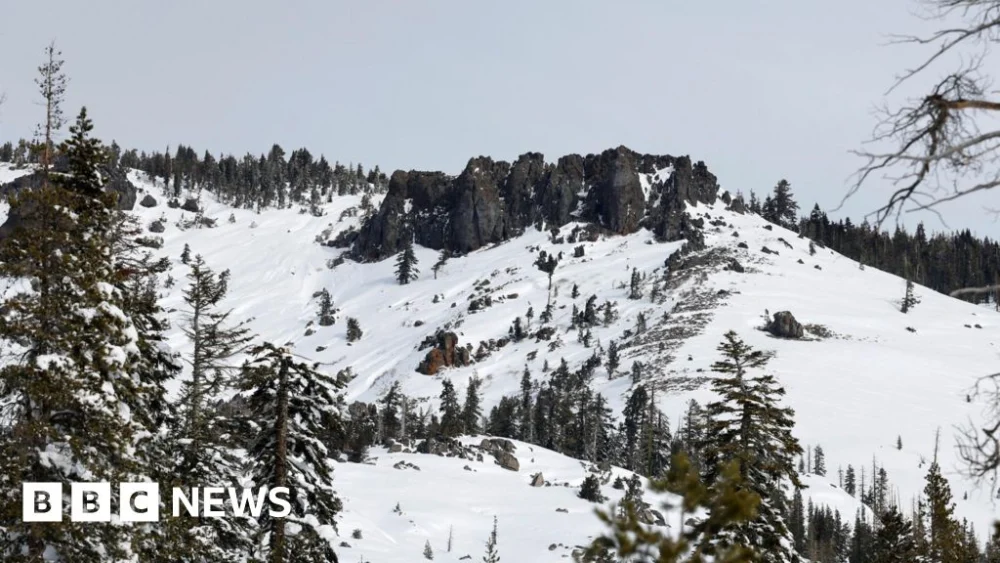
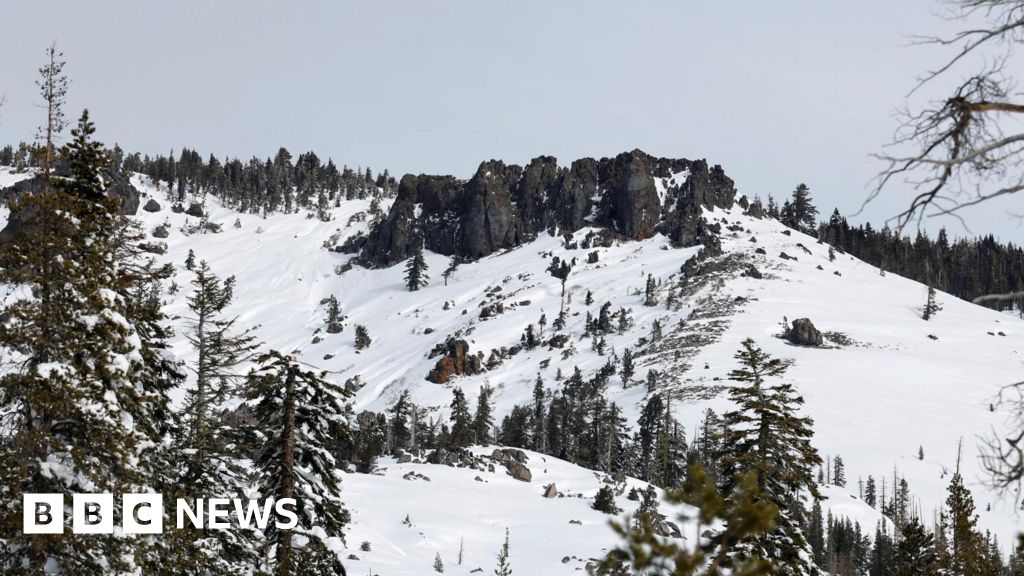
The arduous five-day search operation in California’s treacherous Sierra Nevada backcountry concluded on Saturday with the grim discovery of the final missing skier, bringing the total fatalities from a monumental avalanche to nine. This devastating event, occurring in the Castle Peak area near Lake Tahoe, has been officially recognized as the deadliest in California’s modern history, deeply impacting a close-knit group of friends and experienced mountain guides, and prompting an immediate investigation into the circumstances surrounding the catastrophic incident and the inherent risks of venturing into high-alpine environments.
The disaster unfolded on Tuesday, engulfing a 15-person guided backcountry ski group returning from a multi-day excursion. The immense scale of the avalanche, described by authorities as the size of an American football field and capable of obliterating a house, unleashed an eight-foot wall of snow accompanied by hurricane-force winds reaching 90 miles per hour. This overwhelming force trapped and buried nine individuals, leading to a protracted and challenging recovery effort in some of the most unforgiving terrain in North America. The closure of the search phase now shifts focus towards a comprehensive understanding of the event and its profound implications for backcountry safety.
The Catastrophic Incident and Immediate Aftermath
The group, composed of seasoned skiers, including close friends, a pair of sisters, and three professional guides from Blackbird Mountain, was navigating the pristine but perilous slopes of the Castle Peak area. While the precise trigger of the avalanche remains a critical component of the ongoing investigation, initial reports suggest that the sheer volume of recent snowfall, combined with fluctuating temperatures and high winds, created an unstable snowpack ripe for a major slide. Such conditions are characteristic of the Sierra Nevada during periods of intense winter weather, where layers of snow can fail, leading to widespread and unpredictable mass movements.
Upon impact, chaos ensued. Two members of the group managed to escape the immediate path of the roaring snow, while others, in what was described as a "frantic mode," desperately attempted to locate and extricate their buried companions. This harrowing effort, undertaken in the immediate, adrenaline-fueled moments after the avalanche, reportedly led to the unburying of three individuals who, tragically, did not survive. Six members of the original group were confirmed to have survived the initial event and were rescued or made their way to safety, though the psychological trauma of witnessing such a catastrophic loss would undoubtedly persist. The initial survivors played a critical role in providing invaluable information to rescue authorities, helping to delineate the search parameters and the estimated number of missing persons.
A Grueling Five-Day Search Operation
The search for the nine missing individuals commenced under extremely adverse conditions, which severely hampered rescue efforts for several days. Nevada County Sheriff Shannan Moon detailed the formidable obstacles faced by search and rescue teams, including persistent white-out conditions, ongoing avalanche risks, and sustained high winds that rendered air support impossible. These factors transformed the search into a dangerous and painstaking ground operation, with specialized teams utilizing probes, avalanche dogs, and advanced detection equipment to navigate the deep, unstable snowpack. The resilience and dedication of the multi-agency rescue personnel, operating in sub-zero temperatures and treacherous terrain, underscored the immense commitment to recovering the victims.
The decision to temporarily suspend the use of helicopters for several days was a testament to the severe weather. When a brief window of calmer winds emerged on Friday, authorities deployed an unconventional but critical tactic: pouring water over the area. This method, aimed at mitigating residual avalanche risk by stabilizing the snowpack, allowed ground crews to safely re-enter zones previously deemed too dangerous. This strategic intervention ultimately paved the way for the final push, leading to the recovery of the ninth and final victim, bringing a somber closure to the search phase. The systematic recovery of all individuals, despite the immense challenges, provides a crucial opportunity for families to mourn and for investigators to piece together the full sequence of events.
Profiles of the Victims and Community Impact
The victims, whose identities were released by Sheriff Moon, represented a cross-section of individuals deeply connected to the mountain environment and each other. The group included Carrie Atkin, 46, of Soda Springs, California; Lizabeth Clabaugh, 52, of Boise, Idaho; Danielle Keatley, 44, of Soda Springs and Larkspur, California; Kate Morse, 45, of Soda Springs and Tiburon, California; Caroline Sekar, 45, of Soda Springs and San Francisco, California; and Katherine Vitt, 43, of Greenbrae, California. Their collective loss reverberates through their respective communities, highlighting the profound personal toll of such a disaster.
Crucially, the tragedy also claimed the lives of three experienced guides from Blackbird Mountain: Andrew Alissandratos, 34, of Verdi, Nevada; Nicole Choo, 42, of South Lake Tahoe, California; and Michael Henry, 30, from Soda Springs. These individuals, entrusted with the safety of their clients, possessed extensive knowledge of the terrain and avalanche safety protocols. Their deaths underscore the inherent dangers even for the most seasoned professionals in the backcountry. The close-knit nature of the group, comprising friends and individuals sharing a passion for high-alpine adventure, amplifies the sense of collective grief and shock gripping the communities of Lake Tahoe, Soda Springs, and beyond.
Understanding Avalanche Dynamics and Backcountry Risk
The Sierra Nevada mountain range, renowned for its stunning beauty and abundant snowfall, is also a region where avalanche risk is a perennial concern, particularly during and immediately following significant winter storms. Avalanches are complex natural phenomena influenced by a multitude of factors, including snowpack structure, temperature gradients, wind patterns, and terrain features. Slab avalanches, like the one that occurred, are particularly dangerous as they involve a cohesive layer of snow sliding rapidly over a weaker underlying layer, often triggered by additional weight or a subtle change in conditions.
Expert analysis of the snowpack in the days leading up to the tragedy would likely reveal the presence of persistent weak layers—often formed by faceted crystals or surface hoar—buried beneath newer, heavier snow. These weak layers act as a failure plane, and when subjected to additional load (such as fresh snowfall or human activity) or stress (like a sudden temperature rise or wind loading), they can collapse, releasing the overlying slab. The immense scale of this particular avalanche suggests a widespread instability across a significant portion of the slope. Backcountry enthusiasts, even those with significant experience, rely heavily on daily avalanche forecasts issued by regional centers, which provide critical information on hazard levels, specific avalanche problems, and recommended travel practices. Adherence to these warnings, coupled with proper training in avalanche rescue techniques (including the use of transceivers, probes, and shovels), is paramount for mitigating risk.
Implications and the Criminal Negligence Investigation
The catastrophic loss of life has immediately triggered a formal investigation into potential criminal negligence, as confirmed by the Nevada County Sheriff’s Office. This inquiry will meticulously examine all facets of the incident, including the decisions made by the guides, the protocols of Blackbird Mountain, the group’s equipment and training, and the prevailing weather and snowpack conditions. Such investigations are standard practice in incidents involving multiple fatalities and guided expeditions, aiming to determine if any actions or inactions contributed to the tragedy in a manner that falls outside established standards of care and safety.
The outcome of this investigation could have far-reaching implications for the backcountry guiding industry in California and beyond. It may lead to increased scrutiny of operating procedures, revised training requirements for guides, or even changes in regulatory frameworks governing commercial backcountry operations. For the wider community of outdoor enthusiasts, this tragedy serves as a stark reminder of the inherent risks associated with venturing into uncontrolled terrain, even with professional guidance. It will likely prompt renewed emphasis on avalanche education, risk assessment, and the critical importance of making conservative decisions when faced with uncertain conditions.
Beyond the immediate legal and operational ramifications, the emotional and psychological impact of this event will resonate for years. Survivors, rescue personnel, and the families and friends of the deceased will grapple with the trauma and grief. The incident underscores the delicate balance between the allure of untouched wilderness and the unforgiving power of nature, compelling a critical re-evaluation of how humans interact with these magnificent, yet perilous, environments. The Sierra Nevada avalanche will undoubtedly stand as a somber case study, shaping future conversations about safety, responsibility, and the enduring risks of backcountry adventure.




 Ayu Aulia
 Ridwan Kamil
 Safa Marwah
 Aura Kasih