
 Ayu Aulia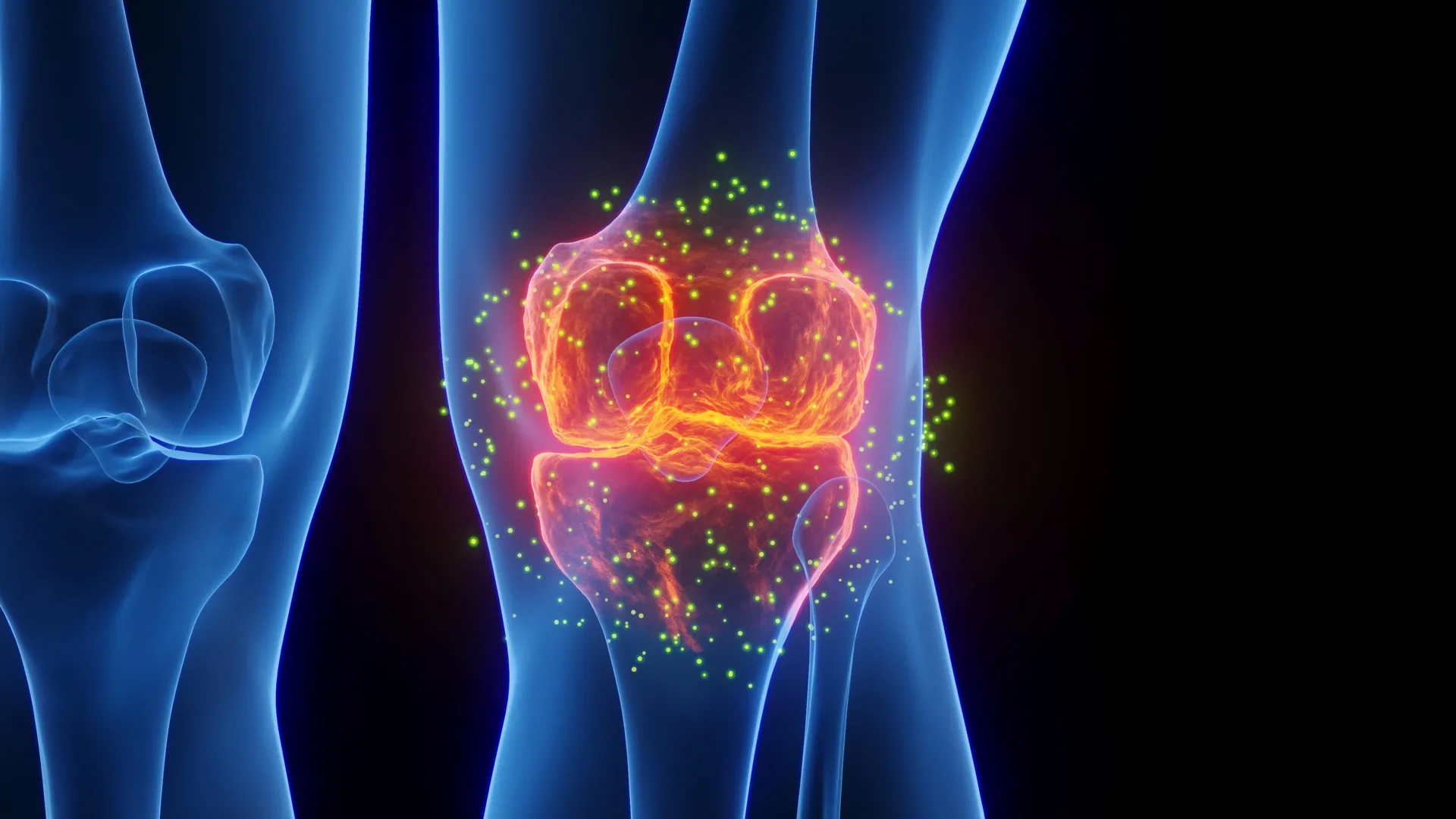
A comprehensive meta-review of existing evidence now posits that conventional exercise regimens may offer only transient and modest improvements for individuals grappling with the debilitating pain of osteoarthritis. This expansive analysis suggests that for many patients, the perceived benefits of physical activity interventions might be clinically negligible, occasionally performing no better than inert interventions or the absence of treatment altogether.
This paradigm-shifting investigation, undertaken by a consortium of researchers and published in a leading open-access medical journal, critically scrutinizes the long-standing medical consensus that positions exercise as a cornerstone, often the primary, therapeutic approach for mitigating the discomfort and functional limitations associated with this prevalent degenerative joint condition. The implications of these findings are profound, prompting a re-evaluation of established clinical guidelines and an urgent call for recalibrating the trajectory of future research endeavors within the field of musculoskeletal health.
Osteoarthritis, characterized by the progressive breakdown of joint cartilage, affects hundreds of millions globally, leading to chronic pain, stiffness, and reduced mobility. Its escalating prevalence, particularly within aging populations, places an immense burden on healthcare systems and significantly diminishes the quality of life for those afflicted. For decades, therapeutic exercise has been universally advocated, predicated on the rationale that strengthening periarticular musculature, improving joint flexibility, and fostering overall physical conditioning could alleviate symptoms and slow disease progression. This recommendation has permeated clinical practice, public health campaigns, and patient education materials worldwide. However, a growing body of scientific literature, increasingly sophisticated in its methodology, has begun to cast doubt upon the magnitude and durability of these presumed benefits, necessitating a definitive, overarching synthesis of the available data.
A Groundbreaking Synthesis of Evidence
Recognizing the fragmented nature of previous research, which often focused on specific exercise modalities or distinct patient cohorts, the research team embarked on an ambitious undertaking: to conduct an umbrella systematic review and pooled analysis. This rigorous approach aimed to consolidate and critically appraise all relevant existing systematic reviews and randomized controlled trials (RCTs) that compared exercise therapy with a broad spectrum of comparators, including placebo, usual care, no intervention, pharmacological agents, alternative therapies, and surgical options. The objective was to provide the most comprehensive and robust assessment to date of exercise’s effectiveness in managing osteoarthritis symptoms.
Their meticulous search strategy spanned major research databases, culminating in the inclusion of a significant volume of literature. The final analytical framework integrated five distinct systematic reviews, collectively encompassing data from 8,631 participants, alongside 28 individual randomized clinical trials involving an additional 4,360 participants. The studies predominantly focused on osteoarthritis affecting the knee and hip joints (23 studies), with smaller representations for hand (3 studies) and ankle (2 studies) osteoarthritis, reflecting the epidemiological distribution of the disease. This expansive dataset allowed for an unprecedented level of statistical power and a nuanced understanding of treatment effects across various joint sites.
Modest and Transient Efficacy Revealed
The aggregate findings from this extensive analysis presented a sobering picture regarding the efficacy of exercise therapy for knee osteoarthritis. When compared against placebo or the absence of any intervention, exercise was associated with only minor and fleeting reductions in pain. Crucially, the researchers underscored the very low certainty of this evidence, indicating a high probability that the true effect might differ substantially from the observed estimates. A particularly salient observation was the trend for these already limited benefits to diminish further in studies characterized by larger sample sizes and extended follow-up periods, suggesting that the initial, often enthusiasm-driven, improvements may not withstand the test of time or broader applicability.
For hip osteoarthritis, the evidence, though of moderate certainty, pointed towards an even more negligible degree of improvement, barely registering a clinically meaningful difference. In the context of hand osteoarthritis, the data suggested similarly small effects, reinforcing a pattern of limited symptomatic relief across different anatomical locations. These findings starkly contrast with the widespread perception of exercise as a potent therapeutic agent for osteoarthritis pain.
Comparative Performance Against Other Interventions
Beyond evaluating exercise in isolation, the review extended its scope to compare its performance against a diverse array of other commonly employed osteoarthritis treatments. Intriguingly, exercise therapy generally demonstrated comparable effectiveness to interventions such as patient education programs, various forms of manual therapy, commonly prescribed pain medications (both over-the-counter and prescription), corticosteroid or hyaluronic acid injections, and even minimally invasive arthroscopic knee surgery. The certainty of evidence underpinning these comparisons, however, varied considerably, underscoring the complexity of drawing definitive conclusions across such disparate treatment modalities.
In specific individual trials, particularly those with a long-term perspective and focusing on distinct patient subgroups, exercise was found to be less effective than more invasive surgical options, such as knee osteotomy (bone remodeling surgery) or total joint replacement. This observation suggests a potential ceiling effect for exercise efficacy, especially in advanced stages of the disease or for patients who may be better candidates for structural interventions.
Methodological Considerations and Nuances
The authors diligently acknowledged several inherent limitations within the body of evidence, which warrant careful consideration when interpreting these findings. The prioritization of specific reviews for inclusion, while a necessary methodological step, inherently means that certain individual studies might not have been directly incorporated into the primary analysis. Nevertheless, subsequent examination of effect sizes from these excluded reviews revealed largely consistent findings, lending credence to the robustness of the main conclusions.
Furthermore, a significant challenge identified was the scarcity of direct, head-to-head comparative trials between exercise and many alternative treatments. The heterogeneity of participant populations, encompassing a wide spectrum of symptom severity, disease progression, and co-morbidities, also complicated the synthesis of results. Many trials permitted the use of additional concomitant treatments alongside exercise, which could potentially confound the isolated effects attributed solely to physical activity. These methodological complexities highlight the ongoing need for more standardized and rigorously designed comparative effectiveness research.
Rethinking the "First-Line" Mandate
Despite these acknowledged caveats, the cumulative weight of the evidence compelled the researchers to articulate a provocative conclusion: "We found largely inconclusive evidence on exercise for osteoarthritis, suggesting negligible or, at best, short-lasting small effects on pain and function across different types of osteoarthritis compared with placebo or no treatment. These effects appear less pronounced in larger and longer-term trials." This statement directly challenges the pervasive paradigm of universal exercise promotion as the singular, primary intervention for ameliorating pain and enhancing physical function across all patients diagnosed with osteoarthritis.
This re-evaluation does not, however, negate the broader health benefits associated with regular physical activity. The authors emphatically stressed that exercise confers numerous systemic advantages beyond direct joint pain relief, including improved cardiovascular health, enhanced mood, better glucose regulation, and maintenance of bone density. For some patients, these collateral benefits, coupled with the low-cost profile and relative safety of exercise, may still render it a preferred option, even if its direct impact on osteoarthritis symptoms is limited.
The findings thus necessitate a more nuanced and individualized approach to osteoarthritis management. Clinicians are advised to engage in a process of shared decision-making with their patients. This collaborative dialogue should thoroughly explore the potential (albeit often modest) worth of exercise in terms of pain and function, carefully weighing these against its secondary systemic health benefits, its favorable safety profile, its economic accessibility, the current stage of the patient’s condition, and the full spectrum of alternative treatment options available. This patient-centered model ensures that therapeutic choices are aligned with individual preferences, expectations, and values, moving beyond a one-size-fits-all recommendation.
Implications for Research and Clinical Guidelines
The implications of this comprehensive review extend far beyond individual patient consultations. For the research community, these findings represent a critical juncture, demanding a strategic pivot in research priorities. Future investigations should move beyond simply demonstrating whether exercise "works" and instead focus on elucidating who benefits most, what types of exercise are most effective for specific osteoarthritis phenotypes, and how exercise can be optimally integrated with other therapies to achieve clinically meaningful outcomes. This calls for sophisticated stratification studies, biomarker identification, and mechanistic research to understand individual response variability.
Furthermore, there is an urgent need for robust head-to-head trials directly comparing different exercise modalities with alternative interventions, utilizing standardized outcome measures and extended follow-up periods. Research into personalized exercise prescriptions, leveraging genetic, biomechanical, and psychosocial factors, could unlock more targeted and effective interventions. The economic implications are also significant; if routine exercise prescriptions offer minimal benefit, healthcare resources might be better allocated to interventions with clearer evidence of efficacy, or to research into novel, more impactful treatments.
For clinical guideline developers, this analysis serves as a compelling impetus to revise existing recommendations. Guidelines must evolve to reflect the most current and comprehensive evidence, fostering a more realistic understanding of exercise’s role in osteoarthritis management. This might entail recalibrating its positioning as a universal first-line treatment, perhaps emphasizing its role within a broader, multimodal treatment strategy, or reserving it for patients who demonstrate a clear, individualized response.
In conclusion, this landmark review represents a pivotal moment in the discourse surrounding osteoarthritis care. While not diminishing the overall importance of physical activity for general health, it meticulously dissects the direct symptomatic benefits of exercise for osteoarthritis, revealing a more complex and often less impactful reality than previously assumed. It underscores the imperative for evidence-based practice, personalized medicine, and a dynamic recalibration of research and clinical strategies to better serve the millions living with this challenging condition.




 Ridwan Kamil
 Aura Kasih

 Safa Marwah

 Lisa Mariana