Aura Kasih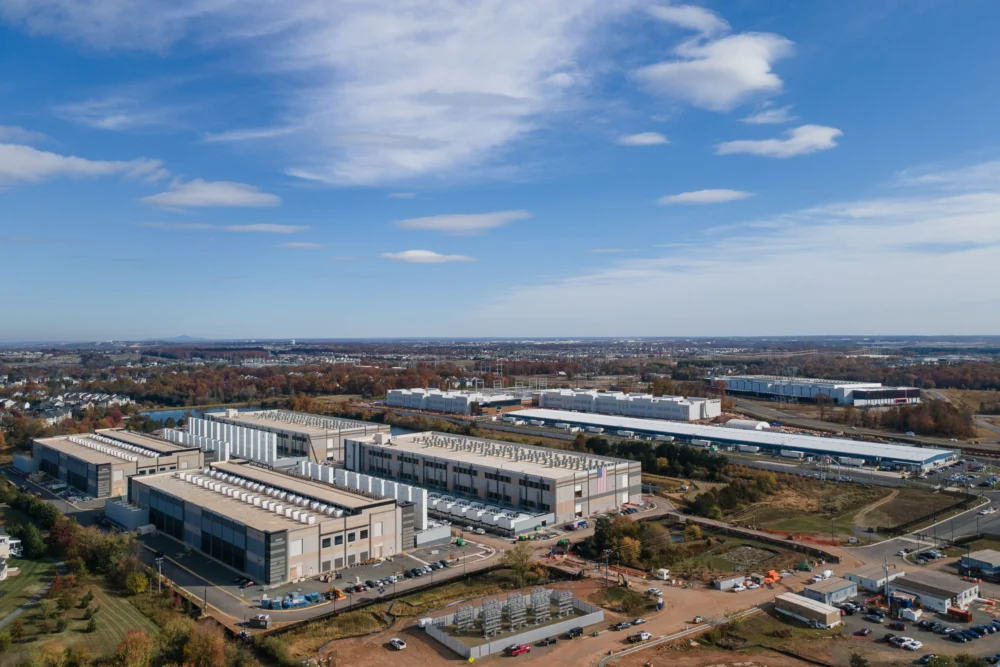
In a bold stride toward optimizing digital infrastructure, Microsoft is actively exploring the integration of high-temperature superconductors into its data center designs, a move that could fundamentally reshape how these critical facilities are built and powered. This ambitious initiative seeks to leverage materials capable of conducting electricity with zero resistance, promising significant advancements in space utilization, energy efficiency, and the overall robustness of the power grids that sustain them.
The relentless demand for computational power, particularly driven by the burgeoning field of generative artificial intelligence, has placed immense pressure on existing data center infrastructure. Tech giants are confronting a confluence of challenges: escalating energy consumption, delays in grid connection due to insufficient capacity, and growing public apprehension regarding the environmental and social impacts of new data center construction. Microsoft’s interest in high-temperature superconductors (HTS) presents a potential paradigm shift, offering a pathway to not only shrink the physical footprint of data centers but also to enhance the efficiency and reach of the energy transmission networks that feed them.
"Microsoft is investigating the transformative potential of this technology to bolster the resilience of electrical grids and mitigate the environmental footprint of data centers on adjacent communities," stated Alistair Speirs, Microsoft’s General Manager of Global Infrastructure Marketing, in a recent company publication. This forward-looking perspective underscores a strategic vision that extends beyond internal operations to encompass a broader impact on the energy landscape.
The Promise of Zero Resistance: Beyond Copper’s Limitations
Contemporary data centers, much like the majority of global energy infrastructure, largely depend on copper wiring. While copper offers respectable conductivity, it is inherently resistive, leading to a quantifiable loss of energy in the form of heat during transmission. High-temperature superconductors, by contrast, offer the unprecedented capability to transmit electrical currents without any resistance. This characteristic translates into dramatic reductions in energy waste, alongside the potential for creating cables that are not only more compact but also significantly lighter.
The application of HTS technology is not entirely novel. It is already a cornerstone in advanced medical imaging devices such as MRI machines. More recently, short-distance deployments of HTS power lines have been successfully implemented in densely populated urban centers, including notable projects in Paris and Chicago. These applications, while demonstrating the viability of HTS, have historically been constrained by cost and complexity.
The primary hurdle for widespread HTS adoption has been the requirement for cryogenic cooling to achieve their zero-resistance state, typically necessitating the use of liquid nitrogen. Furthermore, the "tape" material that forms the basis of superconducting cables is often manufactured using rare-earth barium copper oxide. Although the quantity of rare-earth elements required per cable is relatively small, the global supply chain for these critical materials remains heavily concentrated, with China dominating production. An even more significant challenge, according to industry experts, lies in scaling up the manufacturing capacity for this HTS tape to a point where it becomes economically viable for large-scale deployment.
AI’s Catalytic Role and the Fusion Connection
Paradoxically, the very technologies driving increased demand for data centers – namely, the insatiable appetite of generative AI – are beginning to accelerate progress in HTS development. The substantial energy requirements of AI have spurred significant investment in advanced energy research, including the pursuit of nuclear fusion power plants, often hailed as the ultimate clean energy solution. A considerable portion of the HTS tape currently produced is earmarked for fusion research initiatives. This increased demand has, in turn, fostered growth within the HTS manufacturing sector, leading to a diversification of suppliers and a reduction in material costs.
"This has positively impacted the supply chain and manufacturer variety, and even contributed to the cost-effectiveness of HTS," observed Husam Alissa, Director of Systems Technology at Microsoft. "This evolution has prompted us to reconsider the possibilities. Things have shifted."
Microsoft’s strategic interest in HTS is bifurcated. Internally, within the confines of data centers, the use of smaller, more efficient HTS cables promises enhanced flexibility in the layout of electrical infrastructure and server racks. Last year, VEIR, a Massachusetts-based superconducting company, with financial backing from Microsoft, successfully demonstrated the capability of HTS cables to deliver substantial power (3 megawatts) to an AI data center. This demonstration highlighted a remarkable tenfold reduction in cable dimensions and weight compared to conventional alternatives, effectively addressing a critical bottleneck in data center expansion.
Ziad Melhem, a Professor of Practice in the Physics Department at Lancaster University and a member of the Superconductivity Global Alliance’s editorial board, posits, "The data center of the future will be superconducting – characterized by high power, enhanced efficiency, and a more compact design." (Melhem has disclosed previous employment with Oxford Instruments, a supplier of components for Microsoft’s quantum computing systems.)
Beyond the data center’s internal architecture, Microsoft is actively exploring collaborative opportunities with energy utilities to facilitate the construction of long-distance power transmission lines employing HTS technology. The expansion and modernization of the electrical grid represent one of the most significant impediments to meeting growing energy demands, connecting new data centers, and ensuring a reliable power supply. The intricate and often protracted process of obtaining regulatory approvals for large-scale infrastructure projects spanning multiple jurisdictions presents a substantial challenge.
The deployment of HTS power lines offers a compelling solution by drastically reducing the physical space required for transmission corridors. While conventional overhead transmission lines can necessitate a clearance of approximately 70 meters in width, superconducting cables could potentially operate within a mere 2-meter clearance. This substantial reduction in land use is projected to streamline construction timelines and decrease associated costs.
"This represents a natural progression in the application of this technology," commented Dennis Whyte, Professor of Nuclear Science and Engineering at MIT. Whyte, while not directly involved with Microsoft’s current HTS initiatives, co-leads a significant fusion research project called SPARC, a collaborative effort between MIT and Commonwealth Fusion Systems, which has garnered investment from Breakthrough Energy Ventures, founded by Bill Gates.
The burgeoning interest in HTS for data center applications could also yield ancillary benefits for fusion energy research. Increased demand from the data center sector is poised to enhance the availability and reduce the cost of HTS materials, thereby accelerating advancements in nuclear fusion technology. Microsoft has, in a separate strategic move, entered into an agreement with another company developing a fusion power plant. This confluence of interests, where data center needs stimulate advancements in fusion technology and vice versa, suggests a synergistic relationship that could propel both fields forward. "It’s come full circle," remarked Whyte, highlighting the interconnectedness of these technological frontiers.
The successful integration of high-temperature superconductors into data center operations and energy transmission networks holds the promise of a more efficient, resilient, and environmentally conscious digital future. As Microsoft spearheads this exploration, the implications extend far beyond the company’s immediate infrastructure needs, potentially setting a new global standard for energy infrastructure development in an era of unprecedented technological advancement. The path forward involves overcoming manufacturing scalability challenges and optimizing integration with existing grid systems, but the potential rewards – reduced energy consumption, smaller environmental footprints, and enhanced grid stability – are substantial and warrant continued investigation and investment.




 Lisa Mariana
 Safa Marwah
 Ridwan Kamil