Ayu Aulia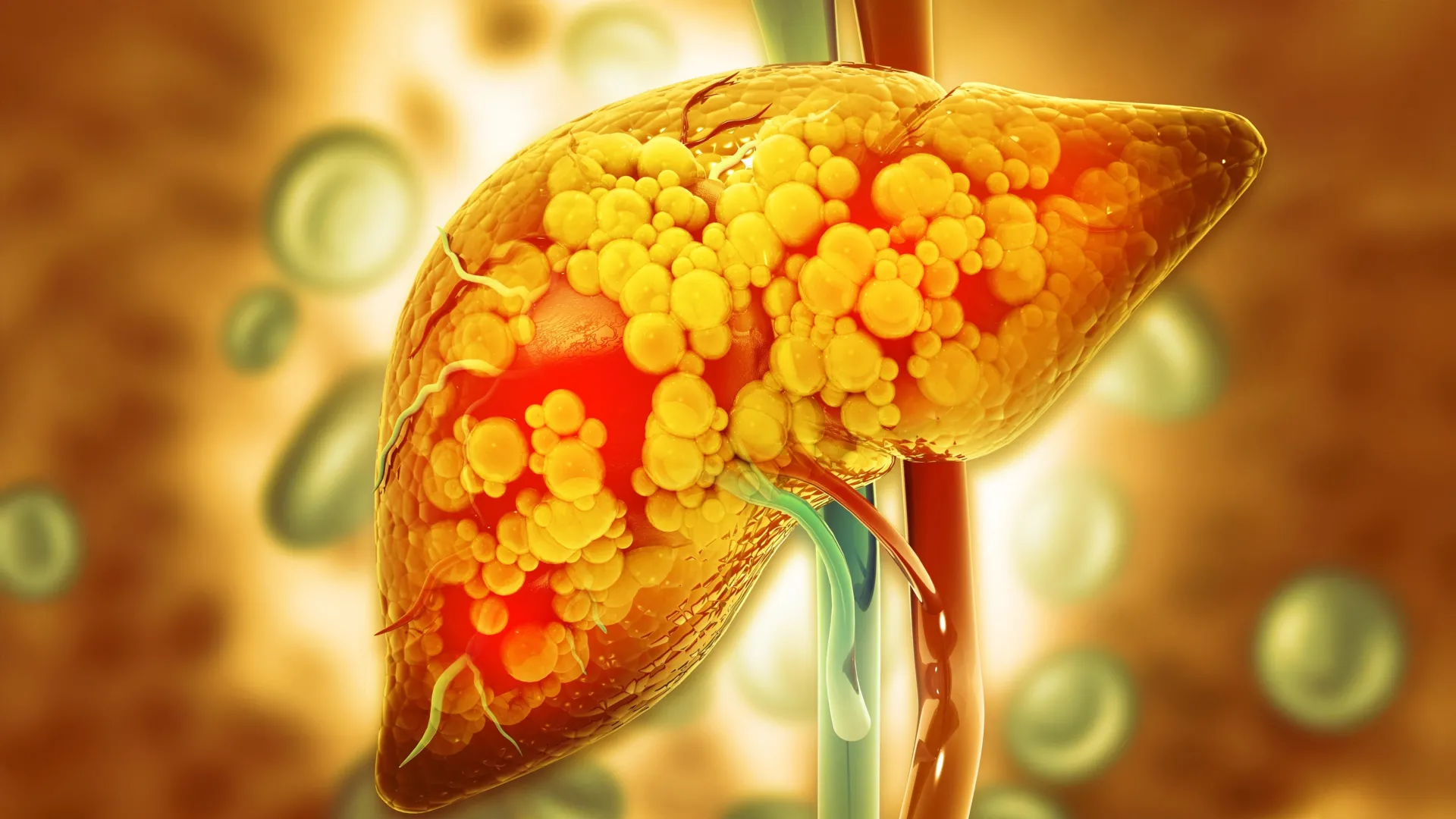
A significant breakthrough in understanding and potentially preventing metabolic dysfunction-associated steatotic liver disease (MASLD) suggests that a naturally occurring compound produced by beneficial gut bacteria could offer protection against this debilitating condition, particularly when maternal diet during pregnancy and lactation is suboptimal. This innovative investigation illuminates a crucial intersection between maternal nutrition, the infant microbiome, and the long-term metabolic health of offspring, offering a promising avenue for early intervention against a global health crisis.
MASLD, formerly known as non-alcoholic fatty liver disease (NAFLD), represents a spectrum of liver conditions characterized by excessive fat accumulation in the liver cells (steatosis) not caused by alcohol consumption. Its progression can lead to inflammation (steatohepatitis, or MASH), fibrosis, cirrhosis, liver failure, and even hepatocellular carcinoma, making it a severe public health concern. The global prevalence of MASLD has surged dramatically in recent decades, paralleling the rise in obesity, type 2 diabetes, and metabolic syndrome. What is particularly alarming is the escalating incidence in pediatric populations, where the disease often advances more rapidly than in adults, frequently remaining undiagnosed due to its asymptomatic nature in early stages. Estimates suggest that MASLD affects a substantial proportion of children, with prevalence rates reaching as high as 30% in obese children and approximately 10% even in those without obesity. The risk factors are profoundly influenced by maternal health and lifestyle, with studies consistently demonstrating a heightened susceptibility in children born to mothers who are obese or consume diets rich in processed fats and sugars during gestation and breastfeeding. This phenomenon underscores the critical role of the intrauterine and early postnatal environments in programming an individual’s lifelong metabolic trajectory, a concept broadly encapsulated by the Developmental Origins of Health and Disease (DOHaD) hypothesis.
The compelling new research, conducted by a team at the University of Oklahoma and published in the esteemed journal eBioMedicine, delves into the mechanistic underpinnings of this maternal dietary influence. The study pinpointed a specific compound, indole, as a potential mediator of protection. Indole is a fascinating molecule, a metabolite generated by certain beneficial gut bacteria through the breakdown of tryptophan, an essential amino acid commonly found in protein-rich foods such as turkey, chicken, nuts, and seeds. The findings demonstrated that when pregnant and nursing mice, maintained on a high-fat, high-sugar (Western-style) diet, were supplemented with indole, their offspring exhibited significantly lower rates of MASLD as they matured. This outcome provides compelling evidence that manipulating the maternal gut microbiome or directly supplementing its beneficial byproducts could offer a potent strategy for disease prevention.
The implications of this discovery are profound, challenging the conventional approaches to managing MASLD, which primarily focus on treatment after diagnosis. Currently, the most effective intervention for pediatric MASLD remains comprehensive weight loss through dietary changes and increased physical activity, yet adherence can be challenging, and there are no pharmacologically approved medications specifically for the condition. This void highlights the urgent need for preventative strategies, especially those that can be implemented early in life, ideally even before birth or during infancy. The Oklahoma team’s work opens a new frontier in this endeavor, emphasizing the therapeutic potential of targeting the maternal-fetal microbiome axis.
The Intricate Role of the Maternal-Offspring Microbiome Axis
The concept of the microbiome’s influence on health has evolved from a niche area of research to a central tenet of modern medicine. The human gut harbors trillions of microorganisms, collectively known as the gut microbiota, which play indispensable roles in nutrient metabolism, immune system development, and protection against pathogens. During pregnancy, the maternal gut microbiome undergoes dynamic shifts, influencing not only the mother’s health but also profoundly shaping the initial microbial colonization of the newborn. This vertical transmission of bacteria from mother to child is critical for establishing the infant’s foundational microbiome, which, in turn, impacts long-term health outcomes.
A maternal diet high in unhealthy fats and sugars can induce dysbiosis—an imbalance in the gut microbial community—in the mother. This dysbiotic state can then be transmitted to the offspring, predisposing them to a range of metabolic disorders. As Jed Friedman, Ph.D., director of the OU Health Harold Hamm Diabetes Center and a professor of biochemistry and physiology in the OU College of Medicine, eloquently explains, "Because offspring inherit their microbiome from their mother, a poor maternal diet can shape the infant’s microbiome in harmful ways." This early programming, influenced by the maternal microbiome and its metabolic outputs, can set the stage for chronic diseases like MASLD, type 2 diabetes, and obesity later in life, even if the child adopts a healthier lifestyle subsequently. The study’s design meticulously replicated this scenario: female mice were fed a "Western-style" diet throughout pregnancy and lactation, creating an environment known to foster MASLD in offspring. The introduction of indole into this high-risk maternal environment effectively mitigated these adverse developmental programming effects.
Indole: A Bioactive Metabolite with Diverse Protective Functions
The specific compound identified, indole, is a small molecule with a fascinating array of biological activities. Its production primarily involves bacterial enzymes like tryptophanase, found in various gut commensals including certain species of Escherichia coli, Lactobacillus, and Bifidobacterium. Beyond its role in this study, indole is recognized for its capacity to act as a signaling molecule within the gut, influencing host cell function and microbial community dynamics.
One of the most critical mechanisms through which indole exerts its protective effects is by acting as a ligand for the aryl hydrocarbon receptor (AHR). The AHR is a ligand-activated transcription factor that belongs to the basic helix-loop-helix Per-ARNT-SIM (bHLH-PAS) family of receptors. While initially recognized for its role in mediating the toxic effects of environmental pollutants like dioxins, AHR has since been identified as a crucial regulator of immune responses, gut barrier integrity, and metabolic homeostasis. When activated by endogenous ligands such as indole, AHR translocates to the nucleus, where it forms a complex with other proteins and binds to specific DNA sequences, thereby regulating the transcription of numerous genes involved in detoxification pathways, inflammatory responses, and epithelial cell differentiation. In the context of the liver, AHR activation by indole has been shown in other studies to modulate lipid metabolism, reduce oxidative stress, and attenuate inflammatory signaling, all of which are pertinent to MASLD pathogenesis.
The research team observed the activation of this protective AHR pathway in offspring whose mothers received indole supplementation. This finding strongly suggests that indole, by engaging the AHR, orchestrates a cascade of beneficial cellular responses that collectively shield the liver from the damaging effects of an obesogenic maternal diet. Furthermore, the study investigated the intricate world of ceramides, a class of lipid molecules that play critical roles in cell signaling and membrane structure. Dysregulation of ceramide metabolism, particularly an increase in certain long-chain ceramides, is often associated with insulin resistance, lipotoxicity, and liver injury in MASLD. Remarkably, the indole intervention led to no increase in these harmful long-chain ceramides, while levels of beneficial very long-chain ceramides actually rose. This nuanced alteration in lipid profiles further underscores indole’s capacity to positively re-program metabolic pathways in the offspring, contributing to healthier liver function and overall metabolic resilience.
Rigorous Methodology and Definitive Evidence
The robustness of the study’s findings is underpinned by its meticulous experimental design. After the offspring were weaned, they were initially placed on a standard diet, then subsequently switched to a Western-style diet later in life to actively encourage the development of fatty liver disease. This approach allowed the researchers to evaluate whether the early life intervention with indole conferred lasting protection, even in the face of later dietary challenges. The results were compelling: offspring born to indole-supplemented mothers demonstrated a multitude of health advantages. They exhibited healthier livers, characterized by reduced fat accumulation and inflammation, gained less weight, maintained lower blood sugar levels, and developed smaller fat cells. These metabolic improvements are profoundly significant, as excess weight gain, hyperglycemia, and enlarged adipocytes are all hallmarks of metabolic dysfunction that predispose individuals to MASLD.
Perhaps the most definitive piece of evidence reinforcing the central role of the microbiome came from a key experiment involving fecal microbiota transplantation. Gut bacteria from the protected offspring (whose mothers received indole) were transferred to other recipient mice that had not received indole. These recipient mice subsequently experienced less liver damage when challenged with an unhealthy diet, mirroring the protective effects observed in the original indole-exposed offspring. This elegantly designed experiment provided unequivocal proof that the microbiome itself, shaped by early life influences and potentially modulated by compounds like indole, plays a direct and causal role in conferring protection against MASLD. It moves beyond mere correlation, demonstrating a functional transfer of protective capacity through the microbial community.
Translational Potential and Future Outlook
While the findings are currently derived from animal models and cannot yet be directly applied to human clinical practice, they lay a strong foundation for future translational research. The insights gleaned from this study point toward revolutionary strategies for mitigating the growing impact of MASLD through early-life prevention. The current therapeutic landscape for pediatric MASLD is severely limited, making preventative measures exceptionally valuable. As Karen Jonscher, Ph.D., an associate professor of biochemistry and physiology in the OU College of Medicine and co-leader of the study, emphasizes, "Anything we can do to improve the mother’s microbiome may help prevent the development of MASLD in the offspring. That would be far better than trying to reverse the disease once it has already progressed."
The immediate implications for public health and clinical research are manifold. First, these findings underscore the critical importance of maternal nutrition counseling, not just for the mother’s health, but for the long-term metabolic well-being of her child. Promoting diets rich in fiber and tryptophan-containing foods could naturally enhance indole production by the maternal gut microbiota. Second, the study opens the door for targeted probiotic or prebiotic interventions during pregnancy and lactation, designed to foster a microbial community that efficiently produces indole. Third, the direct supplementation of indole, or its analogues, could be explored as a potential prophylactic measure, though extensive research on optimal dosage, safety, and long-term effects in human populations would be required.
Beyond direct supplementation, the identification of AHR as a key protective pathway suggests that pharmacological agents designed to activate AHR might hold therapeutic promise for MASLD, not only in prevention but also in managing established disease. Future research will undoubtedly focus on human clinical trials to validate these animal findings, explore the optimal timing and duration of intervention, and investigate the genetic and environmental factors that might modulate individual responses to indole. Understanding the specific bacterial species responsible for indole production in the human gut, and how these populations are influenced by diet and other factors, will also be crucial.
In conclusion, this groundbreaking research represents a significant leap forward in understanding the complex interplay between maternal diet, the microbiome, and offspring liver health. By identifying indole as a pivotal gut-derived compound capable of conferring protection against MASLD, the study illuminates a novel pathway for early life intervention. It offers a powerful testament to the idea that nurturing a healthy maternal microbiome can have profound and lasting benefits for the next generation, heralding a future where preventative strategies, rather than reactive treatments, become the cornerstone of managing this escalating global health challenge.



 Ridwan Kamil
 Safa Marwah
 Aura Kasih
 Lisa Mariana