
 Ridwan Kamil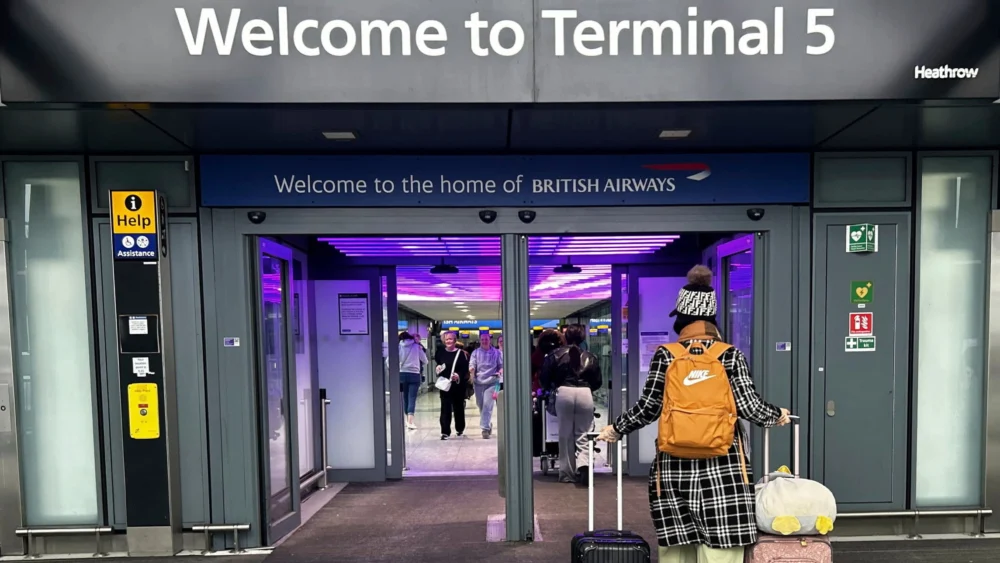
The United Kingdom’s flagship airport, Heathrow, is experiencing significant passenger flow challenges, with its chief executive attributing the palpable sense of crowding to a confluence of returning British expatriates and a surge in European travel, placing unprecedented pressure on its infrastructure and operational capabilities.
The recent observations from Heathrow’s leadership paint a vivid picture of an airport grappling with a post-pandemic rebound that is, in some respects, exceeding expectations, particularly concerning the volume of Britons returning from overseas and the robust resurgence of intra-European journeys. This dual influx, while indicative of a global recovery in travel, is manifesting as a tangible strain on the airport’s capacity, leading to an environment that many passengers perceive as uncomfortably dense. The executive’s remarks suggest that the airport’s operational framework, designed for pre-pandemic norms, is now being tested by a new paradigm of travel demand.
The sentiment of overcrowding at Heathrow is not merely a subjective passenger experience; it represents a symptom of broader logistical and infrastructural challenges faced by major international aviation hubs as they navigate the complexities of a revitalized global travel landscape. The airport’s strategic position as a gateway to the UK and a crucial node in international air routes means that any operational friction here has ripple effects across the broader travel ecosystem. The current situation underscores the intricate balance required to manage high passenger volumes while maintaining efficiency, security, and passenger comfort.
A Post-Pandemic Resurgence and its Unforeseen Consequences
The period following the most stringent phases of the COVID-19 pandemic has witnessed a remarkable and, in some instances, unanticipated surge in global travel. This resurgence is characterized by a dual dynamic: the homecoming of a significant number of British citizens who had been living and working abroad, coupled with a robust recovery in intra-European travel. This confluence of returning nationals and a revitalized continental travel market has created a particular pressure point at Heathrow, one of the world’s busiest international airports.
The return of British expatriates represents a demographic shift in passenger traffic. Many individuals who relocated for work, education, or lifestyle changes during the pandemic are now choosing to return to the United Kingdom. This influx is not solely composed of individuals; it often includes families, accompanied by increased baggage and a greater demand for onward transportation, further contributing to the operational load. Their return signifies a broader trend of global mobility reasserting itself, as individuals reconnect with their home countries after extended periods of absence.
Concurrently, the European travel market has demonstrated remarkable resilience and a swift recovery. The ease of travel within the Schengen Area, coupled with a strong desire for leisure and business trips, has led to a significant increase in the number of passengers transiting through or originating from European destinations. This surge in intra-European traffic, when combined with the repatriating British population, creates a concentrated demand that is testing the existing capacity and operational efficiencies of Heathrow.
Operational Strains and Infrastructural Pressures
The tangible feeling of crowding at Heathrow is a direct consequence of these heightened passenger volumes interacting with the airport’s operational framework. While Heathrow is a world-class facility, its infrastructure and staffing levels, honed to manage pre-pandemic traffic flows, are now being stretched by this accelerated rebound.
The implications for passenger experience are manifold. Longer queues at check-in, security, and immigration checkpoints are becoming more common. The density of people in departure lounges and baggage reclaim areas can lead to increased noise levels, reduced personal space, and a general sense of discomfort. Furthermore, the strain on these processes can have knock-on effects on flight schedules, potentially leading to delays and disruptions.
The airport’s operational capacity is not a static entity. It is a complex interplay of physical infrastructure, technological systems, and human resources. The current surge in passenger numbers places demands on all these components. For instance, the number of security lanes that can be operational, the efficiency of baggage handling systems, and the availability of border control officers are all critical factors that influence passenger flow. When passenger volumes exceed the optimized throughput of these elements, congestion becomes inevitable.
Analysis of the Contributing Factors
Several underlying factors contribute to the current situation at Heathrow:
- Pent-up Demand: Following years of travel restrictions and uncertainty, there is a significant amount of pent-up demand for both leisure and business travel. As restrictions eased, this demand was unleashed, leading to a rapid increase in passenger numbers.
- Economic Resilience: Despite global economic headwinds, many economies have shown resilience, supporting both business travel and discretionary spending on holidays. This economic stability underpins the sustained demand for air travel.
- Strategic Importance of Heathrow: As a major global hub, Heathrow serves a vast network of international routes. Its connectivity makes it a preferred point of entry and transit for a significant proportion of travelers entering or leaving the UK, as well as those connecting between European and intercontinental flights.
- Staffing Challenges in the Aviation Sector: The aviation industry, like many others, experienced significant job losses during the pandemic. The subsequent rapid ramp-up in travel has outpaced the ability of many airports and airlines to rehire and retrain sufficient staff. This has led to operational bottlenecks, particularly in areas such as security, baggage handling, and ground operations.
- Operational Interdependencies: The smooth functioning of an airport relies on a complex web of interdependencies. Issues in one area, such as a shortage of security staff, can cascade and affect other operations, leading to delays and increased congestion throughout the airport.
Implications for the Aviation Industry and the UK Economy
The current congestion at Heathrow has significant implications that extend beyond the immediate passenger experience.
- Reputational Impact: For an airport that prides itself on being a premier global gateway, prolonged periods of congestion can negatively impact its international reputation. This can deter future investment and affect its attractiveness as a hub for airlines and passengers alike.
- Economic Consequences: Heathrow is a vital engine for the UK economy, facilitating trade, tourism, and business connectivity. Any disruption or perception of inefficiency at Heathrow can have broader economic ramifications, potentially impacting the attractiveness of the UK as a destination for foreign investment and tourism. Furthermore, flight delays and cancellations can result in significant financial losses for airlines and disruption for businesses relying on timely air freight.
- Operational Efficiency and Innovation: The current challenges present an impetus for Heathrow and the wider aviation industry to accelerate efforts in operational efficiency and technological innovation. This could include investments in advanced passenger processing technologies, improved data analytics for better resource allocation, and enhanced collaboration between all stakeholders involved in airport operations.
- Sustainability Considerations: While not directly the cause of congestion, the increased flight activity and the need to manage passenger flow efficiently also intersect with the industry’s ongoing efforts towards sustainability. Optimizing flight schedules and ground operations can contribute to reduced emissions.
Future Outlook and Potential Solutions
Addressing the congestion at Heathrow requires a multi-faceted approach involving strategic planning, investment, and enhanced collaboration.
- Infrastructure Modernization and Expansion: While significant infrastructure projects are underway or planned, the accelerated pace of travel recovery may necessitate a review of timelines and priorities. Investing in expanding terminal capacity, improving air traffic control systems, and enhancing ground transport links are crucial for long-term solutions.
- Workforce Development and Retention: The aviation sector needs to address the underlying staffing shortages. This involves attracting new talent through competitive remuneration and career development opportunities, as well as investing in training programs to ensure a skilled workforce capable of handling peak demands.
- Technological Adoption: The implementation of cutting-edge technologies can significantly improve passenger flow and operational efficiency. This includes the wider adoption of biometrics for seamless passenger identification, advanced baggage tracking systems, and AI-powered platforms for predictive resource management.
- Collaboration and Information Sharing: Enhanced collaboration between Heathrow Airport, airlines, border control agencies, and other operational partners is paramount. Real-time data sharing and joint operational planning can help anticipate and mitigate potential bottlenecks.
- Demand Management Strategies: While challenging, exploring strategies for managing passenger demand during peak periods, such as dynamic pricing or encouraging off-peak travel, could also be part of a comprehensive solution, though this must be balanced with the needs of travelers.
The current sentiment of crowding at Heathrow is a complex issue rooted in the rapid post-pandemic resurgence of travel, particularly the return of British nationals and a strong European travel market. It highlights the critical need for continued investment in infrastructure, workforce development, and technological innovation within the aviation sector to ensure that global hubs like Heathrow can efficiently and effectively serve the evolving demands of international travel. The airport’s ability to navigate these challenges will be a key indicator of the broader aviation industry’s capacity to adapt and thrive in the years to come.




 Aura Kasih
 Safa Marwah

 Lisa Mariana