Ayu Aulia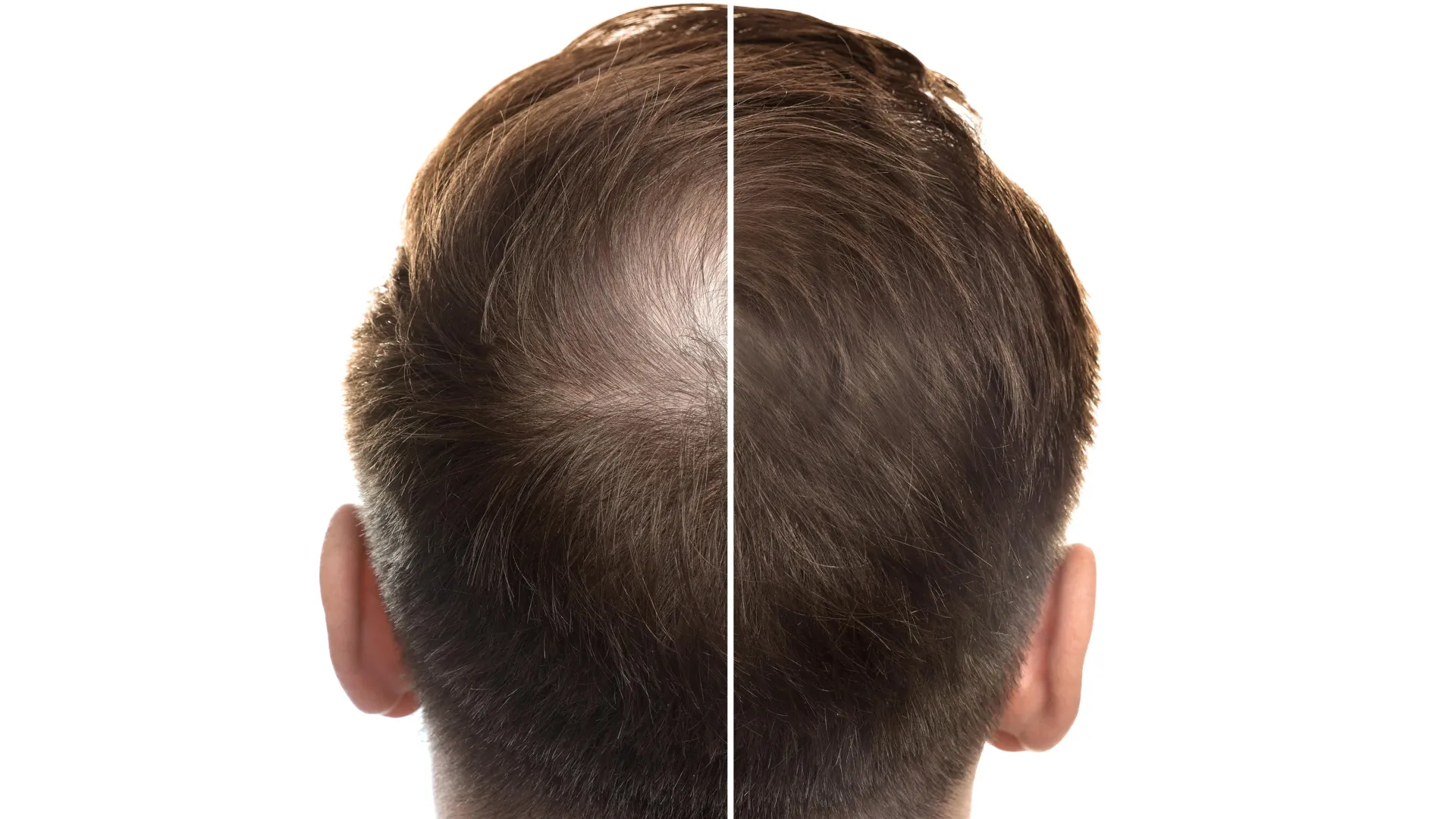
Androgenetic alopecia (AGA), commonly known as male or female pattern baldness, represents a pervasive dermatological condition afflicting hundreds of millions globally, profoundly impacting self-esteem and quality of life. While conventional pharmaceutical interventions offer some efficacy, their limitations, including potential systemic side effects and a narrow focus on single biological pathways, frequently prompt patients to seek more holistic and sustainable therapeutic alternatives. Emerging scientific inquiry is now illuminating the profound potential of Polygonum multiflorum, a venerated botanical component of Traditional Chinese Medicine (TCM), whose millennia-long application for "blackening hair and nourishing essence" is increasingly aligning with contemporary understanding of hair follicle biology and regeneration.
The Global Challenge of Androgenetic Alopecia
Androgenetic alopecia manifests as a progressive miniaturization of hair follicles, leading to shorter, finer, and eventually absent hair shafts. Its etiology is multifactorial, primarily driven by genetic predisposition and androgenic hormones, particularly dihydrotestosterone (DHT). DHT, a potent metabolite of testosterone, binds to receptors in genetically susceptible hair follicles, triggering a cascade of events that shorten the anagen (growth) phase, prolong the telogen (resting) phase, and ultimately lead to follicular atrophy. Beyond its physiological aspects, AGA carries significant psychosocial burdens, often associated with diminished self-confidence, anxiety, and even depression, underscoring the critical need for effective and well-tolerated treatment options. The economic impact is also substantial, with a global market for hair loss treatments valued in billions and continuously expanding.
Current Therapeutic Landscape and Its Limitations
The prevailing pharmacotherapeutic strategies for AGA primarily revolve around two agents: finasteride and minoxidil. Finasteride, an oral medication, operates as a 5-alpha-reductase inhibitor, thereby reducing the conversion of testosterone to DHT. While effective in slowing hair loss and, in some cases, promoting regrowth, it is associated with a spectrum of potential side effects, including sexual dysfunction, mood alterations, and, rarely, gynecomastia. Minoxidil, available as a topical solution or foam, is thought to exert its effects by prolonging the anagen phase, promoting vasodilation to improve blood flow to follicles, and opening potassium channels. Its common side effects include scalp irritation, itching, and unwanted facial hair growth.
A fundamental characteristic of these established treatments is their largely monocausal approach, targeting one specific pathway or mechanism implicated in AGA. This specificity, while offering clarity in action, may also limit their overall efficacy in a condition as complex and multi-faceted as AGA, which involves intricate interactions between hormonal, genetic, inflammatory, and vascular factors. Consequently, a significant proportion of patients either experience inadequate responses, develop tolerance over time, or discontinue treatment due to adverse effects, fueling the persistent demand for innovative and more comprehensive solutions.
Traditional Chinese Medicine and the Legacy of He Shou Wu
Traditional Chinese Medicine, a medical system developed over thousands of years, conceptualizes health and disease through an intricate framework of interconnectedness, balancing concepts like Yin and Yang, Qi (vital energy), and the five elements. Within this ancient pharmacopeia, Polygonum multiflorum, known in China as He Shou Wu (literally "Mr. He’s Black Hair"), stands out as a highly revered herb. Its historical use is documented in texts dating back to the Tang Dynasty (618-907 AD), where it was lauded for its restorative properties, particularly its ability to "nourish essence" (Jing), strengthen the liver and kidneys, and promote longevity. Crucially, its traditional application for reversing gray hair and promoting hair growth is deeply embedded in its cultural and medical lore.
It is imperative to note that the efficacy and safety profile of Polygonum multiflorum are inextricably linked to its traditional processing methods. Raw P. multiflorum rhizomes contain anthraquinones that, in high concentrations, can be hepatotoxic. However, through a meticulous curing process, typically involving boiling the root with black bean juice, these potentially harmful compounds are transformed or reduced, while beneficial compounds are enhanced. This traditional detoxification and potentiation step is a cornerstone of its safe and effective use in TCM and represents a critical consideration for modern scientific investigation.
Bridging Antiquity and Modern Pharmacology: The Multi-Target Approach
Recent scientific reviews are systematically dissecting the pharmacological underpinnings of Polygonum multiflorum, revealing a sophisticated multi-target mechanism that offers a compelling contrast to the single-pathway focus of many contemporary drugs. This research effectively bridges centuries of empirical observation with the precision of modern molecular biology, validating ancient wisdom through a contemporary lens.
One primary mechanism elucidated is its capacity to modulate androgen pathways. Similar to finasteride, P. multiflorum appears to inhibit 5-alpha-reductase activity, thereby reducing the local concentration of DHT within hair follicles. This direct action on a key driver of AGA positions it as a promising candidate for mitigating follicular miniaturization.
Beyond hormonal modulation, P. multiflorum demonstrates significant cellular protective effects. It acts to safeguard hair follicle cells from premature apoptosis, or programmed cell death, a process that contributes to follicular senescence and hair thinning. This anti-apoptotic activity is crucial for maintaining the viability and longevity of hair follicles, thereby extending the anagen phase.
Furthermore, the botanical compound has been shown to actively engage critical growth-related signaling systems essential for hair follicle development and cycling. Notably, it activates the Wnt/β-catenin pathway, a master regulator of hair follicle formation and regeneration. The Wnt pathway plays a pivotal role in initiating the anagen phase and promoting cell proliferation within the follicle matrix. Concurrently, P. multiflorum influences the Sonic hedgehog (Shh) signaling pathway, another crucial regulator involved in epithelial-mesenchymal interactions during hair follicle morphogenesis and cyclic regeneration. The coordinated activation of these key pathways suggests a robust capacity to not only maintain existing hair but also to stimulate the emergence of new hair growth.
Another vital aspect of its action involves enhancing microcirculation in the scalp. Improved blood flow ensures a more efficient delivery of oxygen, nutrients, and growth factors to the actively dividing cells within the hair follicles, creating an optimal environment for robust hair growth. This circulatory enhancement also aids in the removal of metabolic waste products, further supporting follicular health. Additionally, emerging evidence suggests that P. multiflorum possesses significant antioxidant and anti-inflammatory properties. Oxidative stress and chronic low-grade inflammation in the scalp are increasingly recognized as contributing factors to hair loss. By mitigating these deleterious processes, P. multiflorum provides a comprehensive protective shield for hair follicles.
The Advantage of Pleiotropic Action
The multi-faceted mode of action exhibited by Polygonum multiflorum represents a paradigm shift from the reductionist approach of many Western pharmaceuticals. Rather than addressing a singular symptom or pathway, its pleiotropic effects—simultaneously targeting hormonal imbalance, cellular viability, growth factor signaling, and microenvironmental health—offer a more comprehensive and potentially more effective strategy for managing a complex condition like AGA. This broad-spectrum activity could lead to more robust and sustained hair regeneration, potentially overcoming the limitations of single-target therapies that may leave other contributing factors unaddressed.
Safety Profile and Patient Acceptance
One of the most compelling advantages highlighted by recent analyses is the favorable safety profile of Polygonum multiflorum when properly processed. The traditional curing method significantly reduces the hepatotoxic compounds present in the raw root, rendering it safe for long-term use within the established dosages of TCM. This improved safety profile, particularly the absence of common side effects associated with conventional medications such as sexual dysfunction (linked to finasteride) or scalp irritation (linked to minoxidil), makes it a highly attractive option for patients who are wary of or intolerant to existing pharmaceutical treatments. Enhanced patient acceptability and compliance are critical determinants of successful long-term management for chronic conditions like AGA.
Implications for Pharmaceutical Innovation
The scientific validation of Polygonum multiflorum serves as a powerful testament to the untapped potential residing within traditional botanical medicine. It underscores how centuries of empirical observation within systems like TCM can provide invaluable blueprints for modern pharmaceutical innovation. This intersection of ancient wisdom and contemporary scientific rigor offers a fertile ground for the discovery of novel therapeutic agents and strategies, potentially accelerating the development of new treatments for a wide array of human ailments, including those that currently lack optimal solutions. The economic implications are also significant, as natural product-derived treatments can sometimes offer more cost-effective and accessible alternatives, particularly in regions where conventional pharmaceuticals are prohibitively expensive.
The Path Forward: Rigorous Scientific Validation
While the current body of evidence is highly encouraging, the scientific community emphasizes the critical need for further rigorous investigation to fully substantiate these findings and establish optimal clinical protocols. High-quality, double-blind, placebo-controlled clinical trials involving larger cohorts and diverse populations are essential to confirm the efficacy and safety of Polygonum multiflorum as a standalone or adjunctive treatment for AGA.
Future research must also focus on several key areas:
- Standardization: Developing standardized extracts with consistent concentrations of active compounds is crucial for ensuring reproducible results and reliable therapeutic outcomes.
- Dosage and Administration: Determining optimal dosages, formulations (topical, oral), and administration frequencies will be vital for maximizing efficacy while minimizing any potential risks.
- Long-term Safety: While traditionally considered safe when processed, comprehensive long-term safety studies, particularly concerning potential drug interactions or cumulative effects, are warranted.
- Mechanistic Elucidation: Deeper exploration into the precise molecular pathways, including gene expression changes, protein interactions, and epigenetic modifications induced by P. multiflorum, will provide a more granular understanding of its therapeutic actions.
- Combination Therapies: Investigating the potential for synergistic effects when P. multiflorum is combined with other natural compounds or even conventional treatments could open new avenues for enhanced efficacy.
Conclusion
The comprehensive scientific re-evaluation of Polygonum multiflorum marks a pivotal moment in the quest for improved treatments for androgenetic alopecia. By demonstrating a sophisticated, multi-targeted mechanism that aligns with and extends beyond the scope of current pharmaceutical options, this ancient botanical remedy is poised to potentially transform the therapeutic landscape. Its promise of a more holistic approach, coupled with a favorable safety profile when traditionally processed, offers a beacon of hope for millions grappling with hair loss. The continued integration of ancient wisdom with contemporary scientific rigor is not merely an academic exercise; it is a vital pathway toward developing innovative, effective, and patient-centric solutions for global health challenges.



 Ridwan Kamil
 Safa Marwah
 Aura Kasih
 Lisa Mariana