
 Ayu Aulia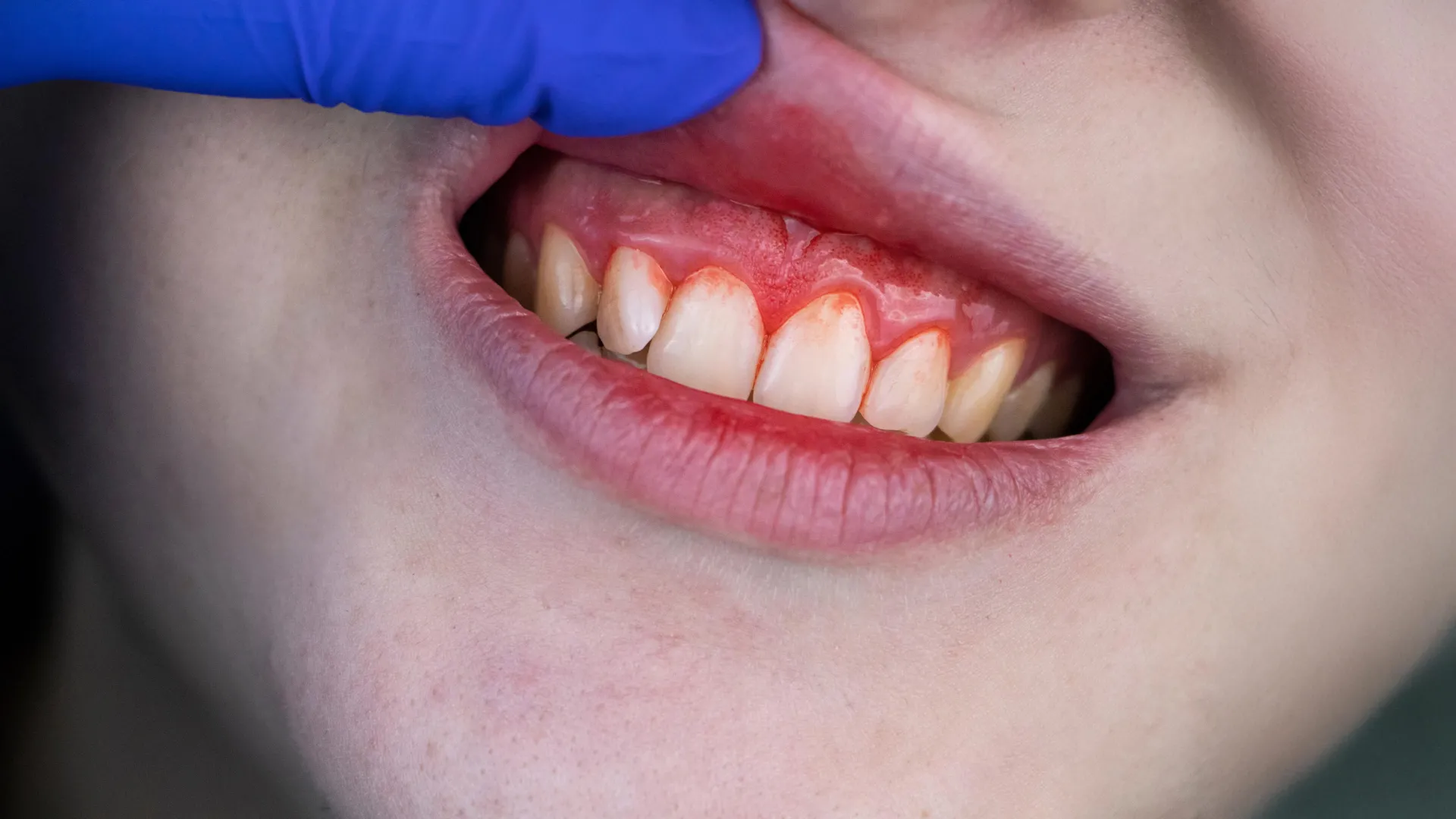
A recent comprehensive analysis has illuminated a significant correlation between inadequate dietary lycopene consumption and a substantially increased susceptibility to severe forms of periodontitis among older adults in the United States, suggesting a potentially modifiable nutritional factor in the prevention of debilitating gum disease. This pivotal research, focusing on individuals aged 65 to 79, also underscored notable variances in risk levels across different racial and gender demographics, highlighting critical areas for targeted public health interventions. The implications of these findings are substantial, suggesting that simple dietary adjustments could play a crucial role in mitigating a widespread and often underestimated health challenge in an aging society.
The investigation into this critical nutritional link was spearheaded by Katherine Kwong, a distinguished researcher affiliated with the Department of Human Development at Connecticut College in New London. Her collaborative efforts brought together a multidisciplinary team of experts from several prominent academic and health institutions, including Tulane University, the University of California San Diego, Yunnan University, Southern Illinois University, and the Louisiana State University Health Sciences Center. This broad collaboration underscores the complexity of the research question and the diverse expertise required to analyze the intricate interplay between diet, demographics, and oral health outcomes.
The Silent Epidemic of Periodontal Disease in Older Adults
Periodontitis, commonly referred to as gum disease, is a chronic inflammatory condition affecting the tissues surrounding and supporting the teeth. It begins with bacterial plaque accumulation, leading to gingivitis (gum inflammation). If left untreated, it progresses to periodontitis, characterized by the destruction of the periodontal ligament and alveolar bone, eventually leading to tooth loosening and loss. Beyond its direct impact on oral health, severe periodontitis has been increasingly linked to a host of systemic health issues, including cardiovascular disease, diabetes, respiratory conditions, and adverse pregnancy outcomes, establishing it as a significant public health concern with far-reaching implications.
For older adults, the prevalence and severity of periodontal disease are particularly elevated. Age-related changes in immune response, cumulative effects of lifestyle factors (such as smoking), chronic systemic diseases, and the long-term accumulation of plaque and calculus contribute to this heightened vulnerability. The loss of teeth due to periodontitis can profoundly affect an individual’s quality of life, impacting nutrition, speech, self-esteem, and social interactions. Therefore, identifying modifiable risk factors for this condition in the elderly population holds immense potential for improving overall health and well-being.
Unveiling a Widespread Nutritional Deficit: Insights from a National Survey
The researchers leveraged an extensive dataset derived from the National Health and Nutrition Examination Survey (NHANES) conducted between 2009 and 2014. NHANES is a continuous program of studies designed to assess the health and nutritional status of adults and children in the United States. It combines interviews and physical examinations, providing a comprehensive snapshot of the nation’s health. The specific cohort for this analysis comprised 1,227 U.S. adults, all falling within the 65 to 79 age bracket.
The statistical examination of this cohort revealed two striking and concerning trends. Nearly half of the older adults participating in the study, precisely 48.7%, exhibited clinical signs indicative of periodontitis, underscoring the pervasive nature of this oral health challenge within this demographic. Concurrently, an even more alarming figure emerged regarding nutritional status: a staggering 77.9% of these individuals were not consuming adequate levels of lycopene. Lycopene, a potent carotenoid pigment, is predominantly found in red and pink fruits and vegetables, most notably tomatoes, watermelon, and pink grapefruit. These parallel deficiencies—high rates of gum disease alongside widespread lycopene insufficiency—formed the bedrock for the subsequent investigation into their potential causal relationship.
Lycopene: A Powerful Antioxidant and Its Role in Health
Lycopene is a naturally occurring chemical that gives fruits and vegetables like tomatoes, red carrots, watermelons, and papayas their red color. As a member of the carotenoid family, it acts as a powerful antioxidant, meaning it helps protect cells from damage caused by free radicals. Free radicals are unstable molecules that can damage cells and contribute to aging and various diseases, including chronic inflammation.
Beyond its antioxidant properties, lycopene has been investigated for a range of other health benefits. It has been linked to a reduced risk of certain cancers, particularly prostate cancer, and plays a role in cardiovascular health by potentially reducing levels of "bad" LDL cholesterol and improving blood vessel function. Its anti-inflammatory properties are also well-documented, suggesting a broader protective effect across various physiological systems. Given that periodontitis is fundamentally an inflammatory disease, the hypothesis that lycopene could offer protective benefits against its progression is biologically plausible. The antioxidant and anti-inflammatory actions of lycopene could potentially counteract the oxidative stress and chronic inflammation that are hallmarks of periodontal tissue destruction.
The Compelling Link: Lower Lycopene, Higher Periodontitis Risk
To ascertain the true relationship between lycopene intake and gum health, the research team employed rigorous statistical methodologies. They meticulously adjusted for a multitude of potential confounding variables that could independently influence periodontitis risk. These critical factors included age, gender, racial background, smoking habits (a well-established risk factor for gum disease), and educational attainment (often a proxy for socioeconomic status and access to healthcare). By systematically controlling for these elements, the researchers aimed to isolate the independent effect of lycopene.
The findings were unequivocal. After these comprehensive adjustments, a robust and statistically significant inverse association emerged: older adults who consistently met the recommended dietary intake levels for lycopene demonstrated substantially lower odds of developing severe periodontitis. Specifically, their risk was approximately one-third that of individuals whose lycopene consumption was deemed insufficient. This striking reduction in risk suggests that adequate dietary lycopene is not merely coincidental but rather a potentially influential factor in maintaining periodontal integrity in the elderly. The magnitude of this association positions lycopene as a promising candidate for targeted nutritional interventions aimed at preventing the advanced stages of gum disease.
Unpacking Disparities: Race and Gender in Periodontal Health
A crucial dimension of the study involved the identification of pronounced disparities in the prevalence of severe periodontitis across different demographic groups. The analysis revealed that this advanced form of gum disease manifested with notably higher frequency among men compared to women, and among non-Hispanic Black adults when contrasted with other racial and ethnic cohorts. These findings are not isolated but rather align with a growing body of literature that consistently highlights persistent health inequities in the United States.
The increased susceptibility observed in men may be attributed to a confluence of factors, including potential hormonal influences, variations in oral hygiene practices, differing healthcare-seeking behaviors, and higher rates of lifestyle risk factors such as smoking. For non-Hispanic Black adults, the elevated prevalence of severe periodontitis is likely rooted in broader socioeconomic determinants of health. These often encompass disparities in access to quality dental care, lower rates of health insurance coverage, systemic health inequities, and historical disadvantages that impact educational opportunities, income levels, and access to nutritious foods. Such systemic factors can collectively contribute to poorer oral health outcomes and a higher burden of chronic diseases. Recognizing and addressing these deeply entrenched disparities is paramount for developing equitable and effective public health strategies.
Broader Implications and Clinical Relevance
The findings of this study carry significant implications for public health initiatives and clinical practice, particularly concerning the aging population. If confirmed by further research, the identification of dietary lycopene as a modifiable protective factor offers a relatively simple, accessible, and cost-effective strategy for preventing severe periodontitis.
From a public health perspective, these results could inform dietary guidelines and educational campaigns targeting older adults. Promoting the consumption of lycopene-rich foods, such as tomatoes, tomato-based products (sauces, paste), watermelon, and grapefruit, could become a key component of oral health promotion. Such initiatives could be integrated into existing nutrition programs for seniors, potentially reducing the overall burden of periodontal disease and its associated systemic health complications. The economic implications are also noteworthy; the treatment of severe periodontitis is costly, involving complex procedures like deep cleaning, root planing, and sometimes surgical interventions. Preventative nutritional strategies could lead to substantial healthcare cost savings.
For healthcare professionals, including dentists, periodontists, nutritionists, and primary care physicians, these findings emphasize the importance of a holistic approach to patient care. Oral health should not be viewed in isolation but rather as an integral part of overall systemic health. Dental practitioners might consider incorporating dietary counseling regarding lycopene intake, alongside traditional oral hygiene instructions, especially for at-risk elderly patients. Similarly, primary care providers could screen for dietary deficiencies and refer patients for nutritional guidance, highlighting the interconnectedness of diet and oral health.
Navigating Limitations and Charting Future Research Directions
While the study provides compelling evidence of an association, the authors appropriately caution against interpreting these findings as definitive proof of causation. A fundamental limitation inherent to the study’s cross-sectional design is its inability to establish a direct cause-and-effect relationship. Cross-sectional studies capture data at a single point in time, making it impossible to determine whether low lycopene intake precedes the onset of gum disease or if severe gum disease might, conversely, impact dietary choices or nutrient absorption. It is also plausible that other unmeasured confounding factors could be at play.
Acknowledging these limitations, the research team has outlined clear and critical pathways for future scientific inquiry. The most urgent need is for long-term, prospective cohort studies. These studies would involve tracking individuals’ lycopene intake and periodontal health over extended periods, allowing researchers to observe whether consistent low lycopene levels indeed precede the development or progression of severe periodontitis. This longitudinal approach is essential for strengthening the evidence for a causal link.
Furthermore, the gold standard for establishing causality would be randomized controlled trials (RCTs). In such studies, participants would be randomly assigned to either an intervention group receiving lycopene supplementation (or dietary interventions to increase lycopene intake) or a control group receiving a placebo. Measuring changes in periodontal health outcomes over time would definitively determine whether increasing lycopene intake can effectively reduce the risk or slow the progression of severe gum disease. Future research should also delve deeper into the optimal dosage and form of lycopene for periodontal health, considering differences in bioavailability between dietary sources and supplements.
The researchers also underscored the imperative for future prevention efforts and research to explicitly address the identified racial and gender disparities in periodontal disease. This calls for tailored interventions that consider the unique social, economic, and healthcare access challenges faced by non-Hispanic Black adults and men. Understanding the underlying mechanisms contributing to these disparities is crucial for developing equitable and effective public health strategies that genuinely reach and benefit all segments of the aging population.
Conclusion
The recent analysis linking insufficient dietary lycopene intake to an elevated risk of severe periodontitis among older American adults marks a significant advancement in our understanding of oral health prevention. With nearly half of the elderly population showing signs of gum disease and an overwhelming majority exhibiting lycopene deficiency, the potential for a simple, dietary intervention is immense. While the cross-sectional nature of this study necessitates further longitudinal and interventional research to confirm causality, the robust association and the biological plausibility of lycopene’s protective effects offer a promising avenue. By integrating nutritional guidance on lycopene-rich foods into public health campaigns and clinical practice, alongside continued efforts to understand and address health disparities, there is a tangible opportunity to enhance the oral health and overall well-being of America’s aging population, ultimately reducing the burden of a debilitating and costly chronic disease.




 Aura Kasih
 Lisa Mariana
 Ridwan Kamil


 Safa Marwah