Lisa Mariana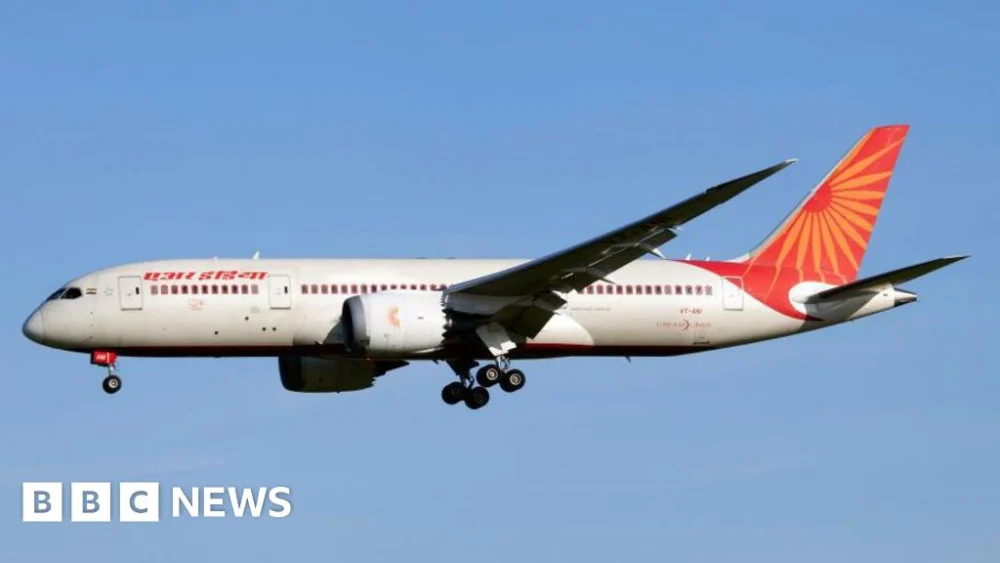
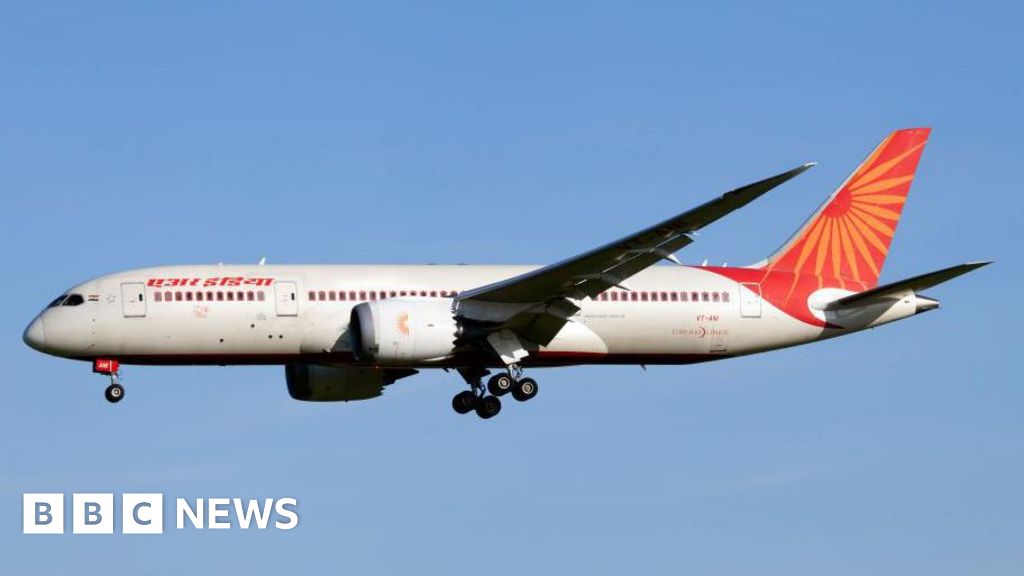
Air India has initiated an immediate grounding of one of its Boeing 787-8 Dreamliner aircraft following a report from a pilot indicating a potential malfunction within the critical fuel control switch system. This decisive action underscores the airline’s commitment to safety protocols and has triggered a comprehensive review by both the carrier and aviation regulatory authorities, intensifying the focus on the modern wide-body jet, particularly in light of a tragic accident involving an identical model last year.
The incident unfolded when an Air India pilot, exercising due diligence and adhering to stringent operational safety guidelines, detected what was described as a possible defect in the aircraft’s fuel control switch. While the precise nature and extent of the anomaly have not been publicly detailed by the airline, the gravity of a potential issue affecting a primary control for fuel management is paramount in aviation operations. In response, Air India promptly informed the Directorate General of Civil Aviation (DGCA), India’s principal aviation regulatory body, signaling a collaborative and transparent approach to resolving the matter. The aircraft in question has been withdrawn from service, and a thorough inspection and diagnostic process is underway, prioritized to ascertain the root cause of the pilot’s concern.
Boeing, the manufacturer of the 787 Dreamliner series, has acknowledged the situation, confirming its active engagement with Air India. A spokesperson for the aerospace giant stated that the company is providing full support for the airline’s ongoing review, a standard procedure when potential technical issues arise with their aircraft in airline fleets worldwide. This collaboration between the airline and the manufacturer is crucial for a swift and accurate assessment, leveraging specialized technical expertise and access to proprietary aircraft schematics and operational data.
This latest development takes on heightened significance given the backdrop of an active investigation into a fatal crash in June of the previous year. That incident involved another Air India Boeing 787-8 Dreamliner, which tragically went down shortly after takeoff from Ahmedabad airport, bound for London, resulting in the loss of 260 lives. The ongoing probe by India’s Aircraft Accident Investigation Bureau (AAIB) into the circumstances of that catastrophe naturally places any reported technical anomaly on the Dreamliner fleet under an exceptionally rigorous lens. While Air India has not explicitly linked the current fuel control switch report to the ongoing crash investigation, the proximity in aircraft type and the critical nature of the reported defect inevitably draw parallels and amplify public and regulatory interest.
The Critical Role of Fuel Control Systems in Modern Aviation
Fuel control switches are integral components of an aircraft’s fuel management system, responsible for regulating the flow of fuel from various tanks to the engines. In advanced aircraft like the Boeing 787 Dreamliner, these systems are highly sophisticated, often incorporating electronic controls and redundancies to ensure reliable operation. A defect, even a minor one, could potentially impact fuel distribution, engine performance, or overall flight safety. Pilots are rigorously trained to monitor these systems continuously and to report any deviation from normal operation, however subtle, thereby acting as the first line of defense in identifying potential hazards.
The 787 Dreamliner, known for its advanced composite materials, fuel efficiency, and long-range capabilities, represents a significant leap in aviation technology. Its "fly-by-wire" systems integrate complex electronic controls, making every component’s integrity crucial. The reported issue, while not yet fully characterized, points to the intricate interplay of mechanical and electronic components that define modern aircraft design. Understanding the specific nature of the pilot’s observation—whether it was an electrical anomaly, a mechanical fault in the switch mechanism, or an indication of an underlying system issue—will be central to the ongoing investigation.
Regulatory Oversight and Prior Directives
India’s aviation regulatory framework, primarily governed by the DGCA, is designed to ensure the highest standards of airworthiness and operational safety. The DGCA’s swift engagement in this matter reflects its commitment to these principles. Following the fatal June 2023 crash, the DGCA had proactively issued a directive mandating inspections of cockpit fuel switches across both Boeing 787 and Boeing 737 aircraft operating within Indian airspace. This directive was a precautionary measure, aiming to identify any potential systemic issues that might contribute to similar incidents.
At that time, Air India had confirmed that its comprehensive inspections of the 787 fleet, specifically focusing on the locking mechanism of the fuel control switches, had yielded no irregularities. The airline reiterated this finding in its most recent statement, emphasizing that all prior checks in compliance with DGCA directives found no issues. This background adds a layer of complexity to the current incident: if previous checks found no fault, what could have led to a pilot detecting a "possible defect" now? This question will undoubtedly be a key focus for investigators, potentially leading to a re-evaluation of inspection protocols or a deeper dive into intermittent or evolving system anomalies.
The locking mechanism of fuel control switches is a critical safety feature designed to prevent inadvertent activation or deactivation during flight. An issue with this mechanism could range from a minor tactile anomaly to a more serious structural or electrical defect that compromises the switch’s intended function or its ability to maintain a selected position. Any compromise to this system could lead to critical operational challenges, underscoring the seriousness of the pilot’s report.
Implications and Broader Context
The grounding of an aircraft, particularly a wide-body long-haul jet like the Dreamliner, carries significant operational and financial implications for an airline. It necessitates schedule adjustments, potential flight cancellations, and the allocation of maintenance resources. However, such measures are invariably deemed necessary when safety is in question, prioritizing passenger and crew well-being above all else.
Beyond the immediate operational impact, this incident, occurring amidst an ongoing investigation into a previous crash of the same aircraft type, inevitably contributes to a heightened sense of scrutiny. For Air India, currently undergoing a significant modernization and expansion phase under new ownership, maintaining an impeccable safety record is paramount for its brand reputation and commercial success. The airline’s transparent and proactive response, including immediate grounding and regulatory notification, is crucial for demonstrating its commitment to safety and rebuilding public confidence.
For Boeing, this incident adds to the continuous pressure faced by major aircraft manufacturers to ensure the absolute reliability and safety of their products. While a single reported defect does not necessarily indicate a systemic design flaw, any issue with critical flight control systems on widely used models like the 787 demands meticulous investigation. Depending on the findings, it could potentially lead to wider fleet alerts, service bulletins, or even airworthiness directives from international aviation authorities such as the Federal Aviation Administration (FAA) in the United States or the European Union Aviation Safety Agency (EASA), if the issue is determined to be a design or manufacturing concern affecting multiple aircraft.
The ongoing AAIB investigation into the June 2023 crash is expected to culminate in a final report in the coming months. Such reports typically provide a detailed account of the accident sequence, identify root causes, and issue safety recommendations aimed at preventing future occurrences. Any findings related to fuel systems or cockpit controls from that investigation will naturally intersect with the current reported defect, potentially informing or expanding the scope of both inquiries.
Expert Analysis: A Focus on Proactive Safety Culture
From an aviation safety perspective, the pilot’s action in reporting a "possible defect" is a testament to a robust safety culture. In a high-reliability industry like aviation, empowering and encouraging flight crew to report even subtle anomalies is critical. It signifies a system where safety observations are valued, and proactive measures are taken before an issue escalates into a more serious incident. This incident, therefore, serves as an important case study in human factors in aviation safety, where the vigilance and professionalism of flight crews play a vital role.
The immediate grounding by Air India also demonstrates adherence to a "just culture" principle, where reporting errors or potential issues is encouraged without fear of punitive action, provided there was no deliberate negligence. This approach fosters an environment where safety data is collected and analyzed effectively, leading to continuous improvements in operational procedures and aircraft maintenance.
The Path Forward: Meticulous Investigation and Continuous Improvement
The immediate next steps involve a comprehensive technical investigation of the grounded Boeing 787-8. This will include detailed diagnostics, component testing, and potentially, consultation with Boeing engineers. The findings will be shared with the DGCA, which will then determine if any further actions are required, such as updated maintenance procedures, additional fleet-wide inspections, or regulatory directives.
The broader outlook for aviation safety emphasizes continuous improvement driven by data, technology, and rigorous oversight. Incidents like this, while concerning, are also opportunities for learning and strengthening safety protocols across the industry. The collective efforts of airlines, manufacturers, and regulatory bodies are essential to upholding the public’s trust in air travel. As the investigations progress, the global aviation community will be watching closely for the detailed findings and any subsequent measures implemented to ensure the enduring safety and reliability of the Boeing 787 Dreamliner fleet and, by extension, the entire commercial aviation ecosystem. The confluence of a new reported defect with a prior fatal accident investigation highlights the perpetual vigilance required to manage the inherent complexities and risks of modern air transport.




 Ayu Aulia
 Aura Kasih

 Safa Marwah