Aura Kasih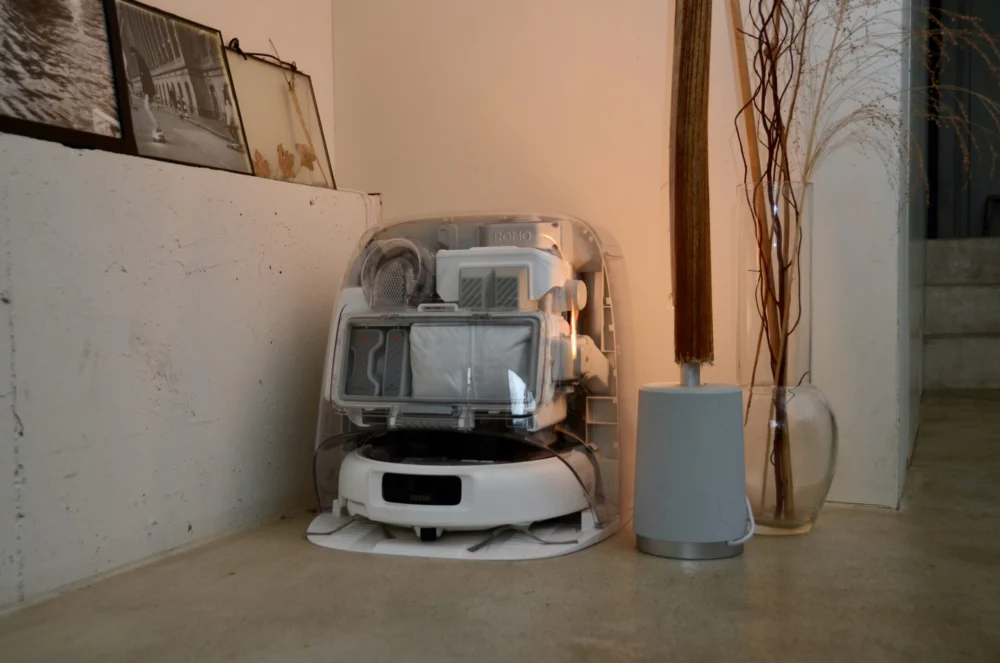
DJI, a company renowned for its pioneering advancements in drone technology and aerial imaging, has ventured into the highly competitive smart home appliance market with its inaugural line of robotic vacuum cleaners. The Romo P, a flagship model currently available in Europe, represents a bold attempt to translate the sophisticated navigation and sensor capabilities honed in its aerial products into a ground-based autonomous cleaning solution. This review examines the Romo P’s performance, features, and the critical security vulnerabilities that cast a shadow over its otherwise impressive technological integration, questioning its value proposition despite its advanced functionalities.

The evolution of robotic vacuums from rudimentary "bump-and-run" devices to the sophisticated, multi-functional cleaning systems seen today has been remarkable. This transition is vividly exemplified by DJI’s entry into the market. After an eight-year hiatus from reviewing such devices, the author’s recent two-month experience with the DJI Romo P highlights the profound leaps made in autonomous home cleaning technology. The Romo P, equipped with a self-emptying and self-cleaning base station, an integrated mopping function, and a suite of high-end specifications, immediately captured attention, notably from a seasoned robotic vacuum expert. While the author admits to not being a long-time aficionado of this specific product category, their perspective as a user transitioning from an entry-level model to a feature-rich, all-in-one unit offers valuable insight for consumers considering similar upgrades.
The performance of DJI’s maiden robotic vacuum is, by all accounts, highly impressive. The seamless integration of advanced sensor technology, akin to that found in their flagship drones, allows for rapid and accurate room mapping. Within minutes, the Romo P can generate a detailed environmental model, enabling efficient navigation and obstacle avoidance. This sophisticated mapping capability ensures that the device can differentiate between floor surfaces, intelligently avoiding carpets when mopping is engaged. However, the reliability of this system was found to be inconsistent; a scenario where a newly introduced rug was not correctly identified by the device necessitated manual map editing. This suggests that while the underlying technology is powerful, its application in dynamic home environments may require further refinement.

The Romo P’s base station is a significant departure from the minimalist charging docks of earlier models. It functions as a comprehensive cleaning hub, automating the emptying of the robot’s dustbin, draining and refilling its water reservoir, and even cleaning and drying the mopping pads. This "set it and forget it" approach, while not entirely eliminating user intervention (regular refilling of the clean water tank and emptying of the dirty water are still required), dramatically reduces the frequency of manual maintenance, positioning the Romo P as a truly autonomous cleaning assistant. The unit’s aesthetic design, featuring a transparent housing for the base station, is a deliberate choice to make it a displayable appliance rather than an object to be hidden away. This design philosophy, while visually appealing, contributes to the substantial footprint of the device, which may be a consideration for smaller living spaces.
The cleaning capabilities of the Romo P are noteworthy. Its dual fisheye vision sensors and LiDARs, borrowed from DJI’s drone technology, enable precise object detection and avoidance. The device successfully navigated around common household items such as socks, shoes with untied laces, and pet toys. Its ability to detect and avoid simulated pet waste further enhances its appeal to pet owners. The inclusion of a special degrease mode, which applies cleaning solution directly to the mop pads, proved effective in tackling stubborn kitchen stains. The base station’s hot water washing capability for the mop pads (around 60 degrees Celsius) adds a layer of hygiene and thoroughness not found in many competing models.

However, the Romo P’s cleaning prowess is not without its limitations. While it performed admirably on hard surfaces, leaving only a few oatmeal flakes in standard suction mode, its performance on deep-pile rugs was less consistent. Even with maximum suction and multiple passes, some debris remained. This suggests that while capable, it may not entirely replace the need for a traditional upright vacuum for heavily soiled carpets. Furthermore, the device exhibited a peculiar inability to consistently navigate around certain reflective surfaces, such as an aluminum dog bowl, sometimes pushing it across the floor instead of avoiding it. This highlights a potential area for improvement in its object recognition and avoidance algorithms.
The user interface, accessed through the DJI app, is generally intuitive and well-designed. It provides real-time mapping updates and allows for granular control over cleaning parameters, including suction power, water usage, and the number of cleaning passes. Users can create custom cleaning routines for specific rooms or zones, offering a level of customization that is increasingly standard in high-end robotic vacuums. The app also provides alerts and snapshots of detected obstacles, offering a degree of transparency into the robot’s operational challenges.

Despite the impressive array of features and robust cleaning performance, the DJI Romo P is significantly undermined by critical security vulnerabilities. A recently exploited flaw allowed unauthorized individuals to gain remote access to owners’ homes through the robot’s camera and microphone. While DJI asserts that this specific vulnerability has been patched, the incident raises profound concerns about the overall security architecture of a cloud-connected device that essentially operates as a mobile surveillance unit. The company’s existing scrutiny by the US government regarding data privacy and security further amplifies these anxieties. The implications of such vulnerabilities extend beyond mere inconvenience; they represent a fundamental breach of privacy and trust. The presence of a device with remote viewing capabilities, capable of transmitting live video and audio from within a private residence, necessitates the highest standards of data protection and cybersecurity. The fact that a third party was able to exploit a security gap to access a user’s home, even with their cooperation for testing purposes, is a stark reminder of the inherent risks associated with smart home devices that collect and transmit sensitive personal data.
The financial aspect of the DJI Romo P is also a point of contention. With a price tag of approximately $2,250 for the top-tier model, the device enters a premium segment of the market. While its advanced features and autonomous capabilities justify a higher cost compared to basic models, the price point invites comparison with alternative solutions. The author notes that for the same investment, one could employ a human housekeeper for a considerable period, performing a broader range of domestic tasks. Even the less feature-rich Romo S model, priced around $1,500, presents a more compelling value proposition.

Moreover, the market is replete with established competitors offering comparable or superior performance at significantly lower price points. Models from brands like Roborock and Ecovacs, known for their reliable and advanced robotic vacuums, can be acquired for substantially less. For instance, the Roborock Qrevo Curvx, which shares many functional similarities with the Romo P, is available for approximately $899. This market dynamic suggests that DJI’s premium pricing, coupled with its security missteps, may limit its appeal to a broader consumer base. The availability of capable, budget-friendly robotic vacuums in the $200-$500 range, while requiring more manual intervention, offers a viable alternative for consumers seeking basic automated floor cleaning without the associated privacy risks.
The operational noise generated by the Romo P is another factor to consider. The base station emits a considerable burst of noise (around 63dB) during the dust-collection process, which can be startling. The subsequent cleaning and drying of the mop pads, while essential for hygiene, produce a persistent hum of approximately 35dB for several hours. While the vacuuming itself is relatively quiet (around 53-63dB), the overall auditory experience, particularly the base station’s operations, may be disruptive for some households, making nighttime operation a more practical option.

The remote video functionality, while entertaining for interactions with pets, carries significant privacy implications. The protection offered by a PIN and an audible announcement of remote video activation proved insufficient to prevent unauthorized streams. This underscores the critical need for robust, multi-layered security protocols in devices that bridge the physical and digital realms within our homes. The author’s decision to disable this feature and physically cover the camera highlights the deep-seated concerns regarding data security and privacy in an increasingly connected world.
In conclusion, DJI’s foray into the robotic vacuum cleaner market with the Romo P showcases a remarkable integration of advanced sensor and navigation technologies. The device offers impressive cleaning performance, a sophisticated self-maintenance base station, and a user-friendly app interface. However, these strengths are critically overshadowed by significant security vulnerabilities and a premium price point that may not align with its competitive landscape. While the Romo P represents a promising, albeit expensive, step towards highly autonomous home cleaning, potential buyers must weigh its technological sophistication against the paramount importance of data privacy and security, and consider whether more established and secure alternatives might better serve their needs. The market for smart home devices is rapidly evolving, and companies entering this space must prioritize not only innovation but also the unwavering protection of consumer data and privacy.




 Safa Marwah
 Ridwan Kamil