Ridwan Kamil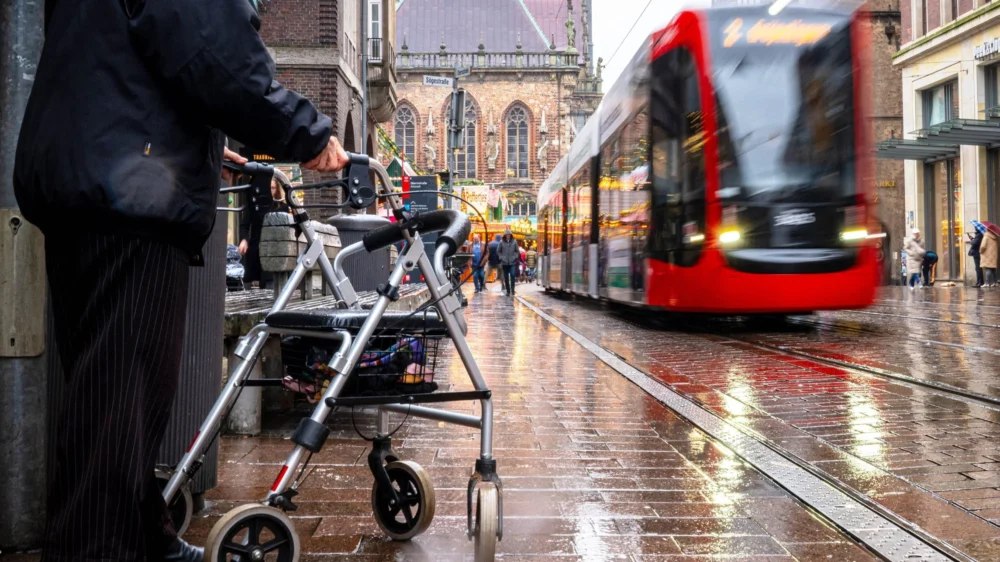
Germany is on the cusp of a substantial demographic shift, with projections indicating a notable decline in its population by 2050. This impending contraction, estimated to be around 5 percent, carries profound implications for the nation’s economic vitality, social fabric, and its standing on the global stage. Understanding the drivers and consequences of this demographic evolution is paramount for strategic planning and ensuring future prosperity.
The impending demographic contraction forecast for Germany by 2050, representing a reduction of approximately five percent in its populace, signals a fundamental challenge to the nation’s long-term economic and social stability. This projection is not merely a statistical anomaly but a harbinger of significant shifts in labor markets, social security systems, and the very character of German society. The underlying causes are multifaceted, rooted in declining birth rates and an aging populace, trends that have been observed across many developed nations but are particularly pronounced in Germany’s case.
The Underpinnings of a Shrinking Electorate: Birth Rates and Longevity
At the heart of Germany’s demographic forecast lies a sustained period of sub-replacement fertility. For decades, the total fertility rate – the average number of children born per woman – has hovered below the 2.1 children per woman needed to maintain a stable population size, excluding migration. Several factors contribute to this phenomenon. Economic pressures, including the rising cost of living and housing, coupled with increased educational attainment and career aspirations for women, have led to delayed childbearing and smaller family sizes. Furthermore, shifts in societal norms and values, emphasizing individual fulfillment and career development, have also played a role in shaping reproductive decisions.
Concurrently, Germany, like many advanced economies, is experiencing a significant increase in life expectancy. Advances in healthcare, improved living conditions, and better public health initiatives have resulted in a population that is living longer, healthier lives. While a testament to societal progress, this longevity exacerbates the demographic imbalance. A larger proportion of older citizens, coupled with fewer births, leads to a higher dependency ratio – the number of non-working individuals (typically children and the elderly) relative to the working-age population. This ratio is a critical indicator of the strain placed on social welfare systems, particularly pensions and healthcare.
Economic Repercussions: Labor Shortages and Shifting Consumption Patterns
The most immediate and palpable consequence of a shrinking population is the impending labor shortage. As the baby boomer generation retires and fewer young people enter the workforce, industries across Germany will face increasing difficulties in finding qualified personnel. This is particularly concerning for sectors that are already experiencing skills gaps, such as healthcare, engineering, and skilled trades.
A reduced workforce can translate directly into slower economic growth. With fewer people available to produce goods and services, overall productivity may decline, impacting a nation’s Gross Domestic Product (GDP). Furthermore, a smaller consumer base can lead to reduced demand for goods and services, potentially dampening investment and innovation. Businesses may find it more challenging to expand or even maintain current levels of operation if they cannot secure the necessary human capital.
The nature of consumption will also evolve. An aging population tends to spend more on healthcare, pharmaceuticals, and leisure activities, while potentially reducing spending on goods and services typically associated with younger demographics, such as housing for growing families or education. This shift will necessitate adjustments in corporate strategies and public policy to cater to the changing needs and preferences of the population.
Societal and Infrastructure Challenges: Strain on Social Security and Urban Dynamics
The implications extend far beyond the economic sphere. Germany’s robust social security system, built on the principle of intergenerational solidarity, faces immense pressure. A declining working population means a smaller tax base to fund pensions, healthcare, and social care for an expanding elderly demographic. This could necessitate difficult policy choices, such as raising retirement ages, increasing contributions from workers, or reducing benefits, all of which can be politically contentious.
The aging and shrinking population will also reshape the country’s social landscape. Rural areas, often already experiencing depopulation, may see further decline as younger generations migrate to urban centers in search of economic opportunities. This can lead to the obsolescence of local infrastructure, such as schools, shops, and public transport, creating a cycle of decline. Conversely, major cities, while potentially experiencing growth due to internal migration, may face challenges related to housing affordability and the provision of services for an increasingly diverse and aging population.
The cultural and social fabric of Germany may also undergo subtle transformations. A smaller and older population could lead to changes in social dynamics, community engagement, and the transmission of cultural traditions. The perception of national identity and the demographic composition of the country will inevitably be influenced by these shifts.
Policy Responses and Future Outlook: Migration, Innovation, and Adaptation
Acknowledging these challenges, German policymakers are grappling with a range of potential solutions. One of the most prominent strategies is the management of immigration. Germany has historically relied on immigration to supplement its workforce and mitigate demographic decline. However, effective integration of new arrivals, addressing potential social tensions, and ensuring that immigration policies align with economic needs are critical considerations.
Beyond migration, fostering higher birth rates remains a long-term objective. Policies aimed at supporting families, such as enhanced parental leave, affordable childcare, and financial incentives for having children, are crucial. However, the impact of such measures on fertility rates is often gradual and subject to complex societal factors.
Innovation and technological advancement are also seen as vital tools. Automation and artificial intelligence can help offset labor shortages in certain sectors, boosting productivity and enabling businesses to operate with fewer human resources. Investment in research and development, particularly in areas that enhance efficiency and create new economic opportunities, will be paramount.
Furthermore, Germany will need to adapt its infrastructure and social systems to cater to an older population. This includes investing in elder care facilities, promoting age-friendly urban planning, and redesigning healthcare systems to address the specific needs of a more senior demographic. Lifelong learning and reskilling initiatives will also be essential to ensure that the existing workforce remains adaptable and employable throughout their careers.
The demographic contraction projected for Germany by 2050 is not an insurmountable crisis but a profound challenge that requires foresight, strategic planning, and a willingness to adapt. The nation’s ability to navigate this demographic transition will depend on its capacity to foster economic resilience, strengthen its social safety nets, and embrace innovation. The coming decades will test Germany’s adaptability and its resolve to maintain its position as a leading economic and social power in an ever-changing global landscape. The success of its response will serve as a crucial case study for other nations facing similar demographic headwinds.




 Ayu Aulia
 Safa Marwah
 Aura Kasih
 Lisa Mariana