Aura Kasih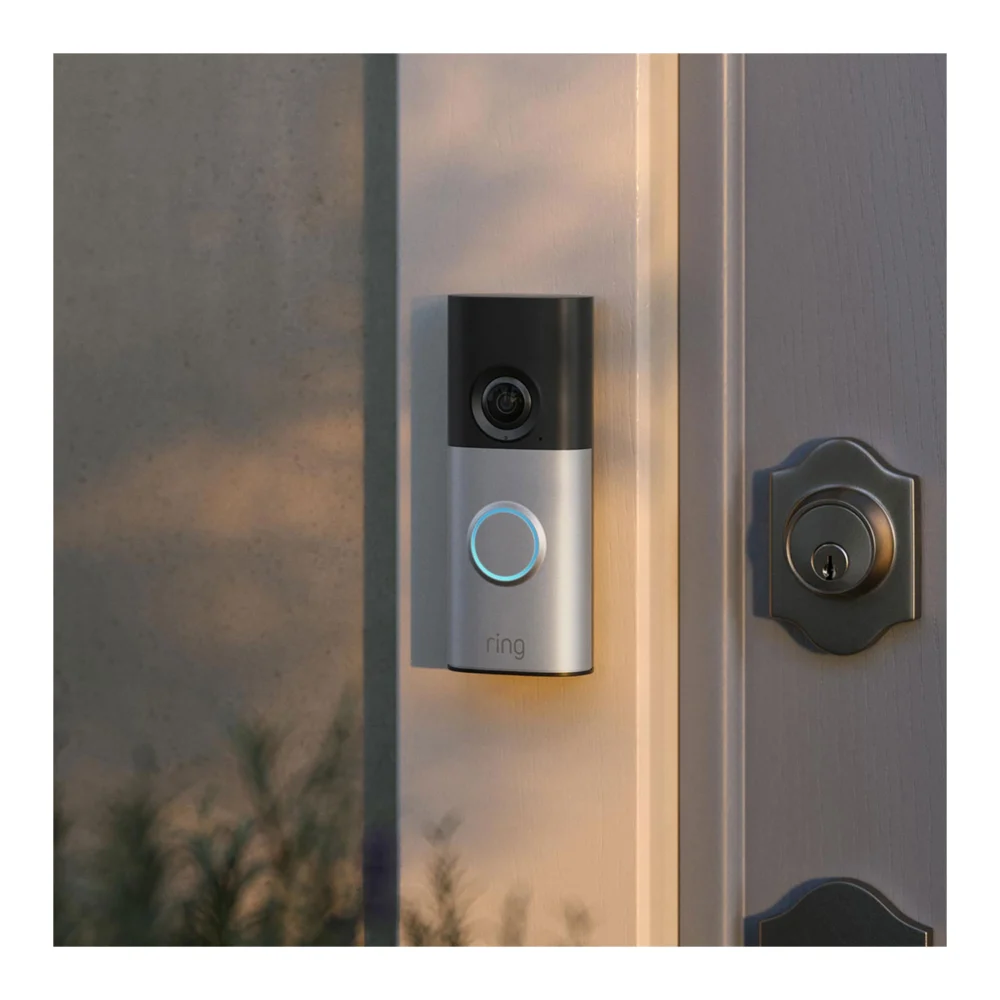
A prominent consumer advocacy organization has launched a significant financial incentive, exceeding $10,000, for innovators capable of engineering a solution that liberates Ring video doorbell data from Amazon’s proprietary cloud infrastructure and redirects it to user-controlled local storage.
The recent controversy surrounding Ring’s "Search Party" feature has ignited a wave of concern among privacy-conscious consumers and fueled a growing demand for greater control over personal surveillance data. In response to this escalating public apprehension, the Fulu Foundation, a consumer rights advocacy group co-founded by prominent technology advocate Louis Rossmann, has initiated a compelling challenge. The foundation is offering an initial bounty of $10,000 to any individual or development team that can successfully integrate Ring video doorbells with a local personal computer or server, thereby severing their reliance on Amazon’s cloud services. This initiative aims to empower users by enabling them to manage their video recordings independently, away from the centralized control of a major technology corporation.
Historically, the functionality of Ring doorbells has been intrinsically linked to Amazon’s cloud ecosystem. Users have generally been required to subscribe to a cloud storage plan to retain access to their recorded footage. While Ring has introduced solutions like Ring Edge, which offers a degree of local storage capability, this feature is exclusively available in conjunction with the Ring Alarm Pro security system and still necessitates a paid subscription. Another option, end-to-end encryption (E2EE), which theoretically ensures that neither Ring nor third parties can access the video content, still relies on Amazon’s servers for storage. This arrangement, while offering a layer of privacy for the content itself, does not fundamentally address concerns about data centralization and potential access by the platform provider.
The Fulu Foundation’s bounty program is a direct reaction to the privacy implications brought to light by Ring’s "Search Party" feature. This AI-driven tool, which leverages the network of Ring doorbells to assist users in locating lost pets, has also raised discussions about its potential future applications, including broader crime prevention efforts. While the intention behind such features may be beneficial, their implementation within a centralized cloud architecture has amplified existing anxieties regarding data ownership and security. The foundation emphasizes that users should not be compelled to discard existing hardware simply because of software-related privacy concerns. This principle is particularly relevant as several competing smart home brands, including Eufy, Reolink, and Aqara, already offer video doorbells with robust local storage options, providing users with a more direct and independent method of managing their data.
Kevin O’Reilly, co-founder of the Fulu Foundation, articulated the core objective of the bounty: "In an ideal world, device owners would be able to modify that software to instead push that footage to their own computer or server, should they so choose." This statement underscores the foundation’s commitment to user autonomy and data sovereignty in the smart home technology landscape. However, O’Reilly also acknowledged the significant legal hurdles that developers will face. The Digital Millennium Copyright Act (DMCA) presents a substantial challenge, as distributing tools or mechanisms that enable users to circumvent proprietary locks and assert ownership over their data could be construed as a copyright infringement. This legal framework creates a complex environment for the development and distribution of such solutions, necessitating careful navigation by potential bounty recipients.
The mechanics of the bounty are designed to incentivize innovation and ensure a practical, deployable solution. The first individual or development team to submit a solution that meets the Fulu Foundation’s stringent eligibility requirements will be awarded the bounty. The core criteria mandate that developers must successfully integrate Ring video doorbells, specifically models released in 2021 or later, with a local computer or server. Crucially, the solution must ensure that the doorbell no longer transmits any data to Amazon’s servers and that its core functionality is not dependent on any connection to Amazon hardware. This technical requirement aims to guarantee a complete disengagement from Amazon’s cloud infrastructure. The initial bounty of $10,000 serves as a significant draw, and the Fulu Foundation has committed to matching any additional donations made by supporters, potentially doubling the total prize pool to $20,000. This matching incentive amplifies the financial reward and encourages broader community involvement in supporting the initiative.
The implications of this bounty extend far beyond the immediate financial reward. If successful, a viable solution could fundamentally alter the smart home surveillance market, particularly for Ring users. It would provide a tangible alternative for consumers who are increasingly concerned about the privacy implications of smart devices and the centralized control of their personal data by large technology corporations. The current model, where extensive personal data is stored and potentially analyzed by cloud providers, raises questions about data security, potential breaches, and the ethical use of this information. A decentralized approach would empower users with greater control, allowing them to decide where their data is stored, who has access to it, and how it is utilized. This shift could foster a more privacy-centric ecosystem, encouraging other manufacturers to adopt similar user-empowering data management strategies.
Furthermore, the bounty program highlights a growing tension between proprietary technology ecosystems and the burgeoning demand for open-source and user-controlled solutions. As consumers become more digitally literate and aware of data privacy issues, they are increasingly seeking alternatives that offer greater transparency and autonomy. The Fulu Foundation’s initiative taps into this sentiment, providing a platform for developers to address a critical market need. The success of this bounty could pave the way for similar efforts in other areas of the smart home market, pushing the industry towards more user-centric and privacy-respecting designs.
The legal landscape surrounding such initiatives remains a significant consideration. The DMCA, designed to protect copyrighted material and prevent unauthorized circumvention of technological protection measures, presents a formidable challenge. Developers will need to meticulously design their solutions to comply with existing laws while still achieving the objective of user data control. This may involve exploring innovative technical approaches that do not directly violate copyright provisions, or it could necessitate advocacy for legislative changes that better reflect the evolving needs and expectations of consumers in the digital age. The Fulu Foundation’s awareness of this legal complexity underscores the ambitious nature of their undertaking.
Looking ahead, the Fulu Foundation’s bounty represents a critical step in the ongoing dialogue about data privacy and ownership in the era of connected devices. The success of this program could have a ripple effect, influencing product development, consumer expectations, and even regulatory frameworks. By incentivizing the creation of decentralized solutions, the foundation is not only addressing immediate concerns about Ring doorbells but also contributing to a broader movement towards a more user-empowered and privacy-conscious digital future. The challenge posed by the Fulu Foundation is a testament to the growing power of consumer advocacy in shaping the direction of technological innovation and ensuring that personal data remains firmly under the control of its rightful owners.



 Lisa Mariana
 Ayu Aulia
 Safa Marwah