Aura Kasih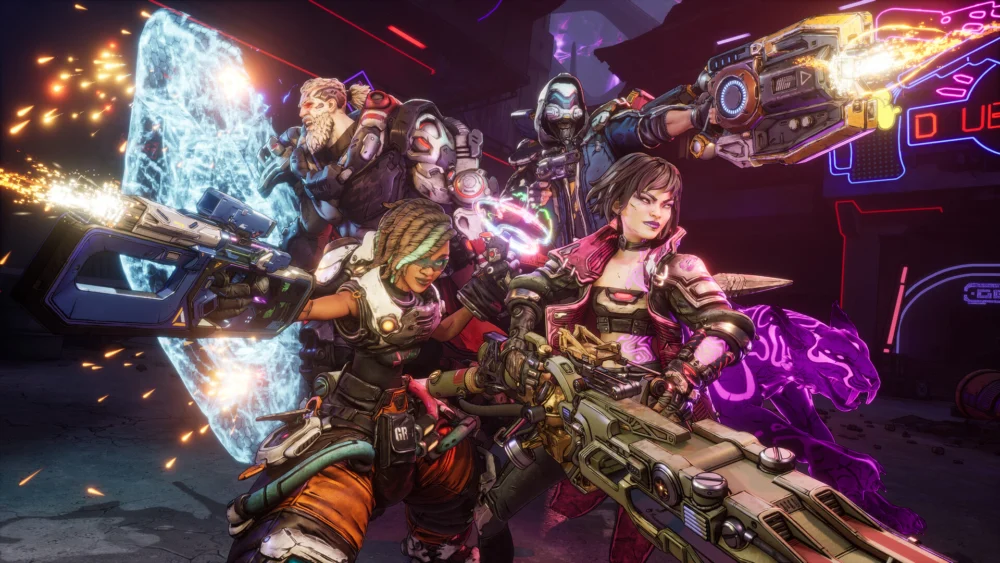
In a significant recalibration of its product roadmap, Take-Two Interactive has confirmed that the highly anticipated Nintendo Switch 2 iteration of its popular looter-shooter franchise, Borderlands 4, has been placed on an indefinite hold, a move that signals a deeper strategic consideration beyond immediate development cycles. This decision, articulated by a company spokesperson, suggests a more nuanced approach to platform integration and a potential reassessment of the technical and market viability for certain titles on next-generation handheld consoles.
The announcement, delivered through official channels and subsequently reported, marks a notable pivot for a game that had previously been showcased as a key offering for Nintendo’s upcoming hardware. Originally unveiled during a prominent Nintendo Direct presentation in April, the Switch 2 version of Borderlands 4 was initially slated for an October 3rd release. However, this schedule was disrupted, leading to a delay that foreshadowed the current development pause. The official statement regarding the pause indicated that the decision was a "difficult" one, emphasizing a shift in focus towards optimizing the game for its existing platforms and delivering ongoing post-launch content to its current player base. This suggests that resources and development efforts are being reallocated, prioritizing the core experience and established markets over the expansion to a nascent platform.
This strategic pause is occurring against the backdrop of Take-Two’s fiscal reporting for the third quarter of fiscal year 2026, a period where the company evaluates its financial performance and outlines its future strategic direction. The omission of the Switch 2 version of Borderlands 4 from upcoming release schedules, coupled with the confirmation of its development halt, raises questions about the underlying reasons for this sudden redirection. While the company maintains a commitment to collaborating with Nintendo and has indicated plans to bring other titles, such as "PGA Tour 2K25" and "WWE 2K26," to the Switch 2 platform, the specific circumstances surrounding Borderlands 4 warrant a more in-depth examination.
The Borderlands franchise, developed by Gearbox Software and published by 2K Games (a subsidiary of Take-Two Interactive), has cultivated a dedicated global following through its distinctive blend of first-person shooter mechanics, extensive loot systems, and a darkly comedic, cel-shaded aesthetic. The series is renowned for its replayability, driven by procedurally generated weaponry and a narrative that often satirizes popular culture and video game tropes. Each installment has aimed to expand upon the established formula, introducing new characters, skill trees, narrative arcs, and planetary locales. The anticipation for Borderlands 4 has been particularly high, fueled by the immense success of its predecessors and the ongoing evolution of the series’ core gameplay loops.
The decision to place the Switch 2 version on hold could be multifactorial. One primary consideration is likely the technical capabilities of the Switch 2 relative to the ambitious scope and graphical fidelity of a modern AAA title like Borderlands 4. While Nintendo’s next-generation console is expected to offer a significant upgrade over its predecessor, achieving parity with the visual and performance standards demanded by the Borderlands franchise on more powerful platforms such as the PlayStation 5 and Xbox Series X/S presents a considerable challenge. The development of a bespoke version for the Switch 2 would necessitate substantial optimization efforts, potentially involving compromises in visual detail, frame rates, or even content, which could detract from the intended player experience.
Furthermore, the economics of developing and marketing a version of Borderlands 4 specifically for the Switch 2 must be carefully weighed. The investment required to adapt a complex game to a new hardware architecture, particularly one that is still establishing its market presence, needs to be justified by projected sales figures and profit margins. In the competitive landscape of the video game industry, publishers often prioritize platforms that offer the highest return on investment, especially for titles with a broad appeal. If market analysis suggests that the Switch 2 user base may not fully embrace a demanding title like Borderlands 4 at the same volume as other platforms, or if the development costs are disproportionately high, a pause or cancellation of that specific SKU becomes a prudent business decision.

The history of game development on Nintendo consoles, particularly those that aim for cross-platform releases with more powerful hardware, is replete with examples of titles that required extensive adaptation or faced performance limitations. While Nintendo has made strides in bridging the gap with its hardware, the performance differential between its consoles and contemporary PC or console offerings often necessitates significant engineering efforts to ensure a comparable experience. The "pause" for Borderlands 4 on Switch 2 could be an acknowledgment of these inherent challenges and a decision to allocate resources more effectively towards ensuring the game’s success on its primary target platforms.
The mention of ongoing collaboration with Nintendo on other titles, such as "PGA Tour 2K25" and "WWE 2K26," suggests that Take-Two’s relationship with the Japanese gaming giant remains strong. These titles, while also demanding, may represent a more manageable undertaking in terms of technical adaptation or target a different segment of the Switch 2 audience. This selective approach to platform releases indicates a strategic differentiation, where certain franchises and genres are deemed more suitable for the Switch 2’s capabilities and market positioning than others.
Moreover, the timing of this announcement, coinciding with fiscal reporting, underscores the financial considerations at play. Take-Two Interactive, like any publicly traded company, is accountable to its shareholders and must demonstrate a clear path to profitability. The allocation of development resources is a critical component of this strategy. By pausing the Switch 2 version of Borderlands 4, the company can redirect its development talent and financial capital towards projects that are deemed more likely to yield immediate and substantial returns, or to shore up the performance of the game on its primary platforms.
The implications of this decision extend beyond the immediate development of Borderlands 4. It could signal a broader trend in how major publishers approach porting their flagship titles to new or less powerful hardware. The era of seamless cross-platform releases across all major consoles, regardless of their technical specifications, may be evolving. Publishers are increasingly likely to adopt a more discerning approach, carefully evaluating the technical feasibility, market demand, and economic viability of each platform before committing significant resources. This could lead to a more curated selection of AAA games becoming available on certain consoles, with a greater emphasis on titles that are specifically designed or well-suited for those platforms.
For fans of the Borderlands series who were anticipating its arrival on the Switch 2, this news will undoubtedly be a disappointment. However, the confirmation that the game is still in development for other platforms suggests that the core Borderlands 4 experience will not be compromised. The focus on delivering "quality post-launch content" for existing platforms also indicates a commitment to the long-term engagement of the Borderlands community. This strategy often involves extensive live-service elements, expansions, and updates that keep the game fresh and relevant for years after its initial release.
Looking ahead, the decision to pause the Switch 2 version of Borderlands 4 may prompt a reassessment of Take-Two’s long-term platform strategy. As the Switch 2 continues to establish its presence in the market, developers will need to adapt their game development pipelines to accommodate its unique capabilities and limitations. The success of titles like "PGA Tour 2K25" and "WWE 2K26" on the platform will likely influence future decisions regarding the porting of other major franchises. Ultimately, the industry is constantly evolving, and publishers must remain agile and strategic in their approach to hardware adoption and game development to ensure sustained success in a dynamic global marketplace. The Borderlands 4 situation serves as a potent reminder of the complex interplay between technological advancement, market dynamics, and creative ambition in the contemporary video game industry.


 Safa Marwah
 Ridwan Kamil