Safa Marwah
A significant advancement in personal cybersecurity has been introduced with Bitwarden’s latest offering, a specialized shared vault designed to facilitate the secure exchange of digital credentials and sensitive information among a limited, trusted group. This innovative system addresses the pervasive challenge of insecure password sharing within personal relationships, providing a robust, encrypted environment for managing access to various online services.
The proliferation of digital services in modern life has created an unprecedented demand for secure and efficient methods of managing access credentials. From streaming platforms and utility accounts to smart home devices and shared financial portals, individuals frequently find themselves needing to share login information with partners, family members, or close friends. Historically, this has often been accomplished through highly insecure means such as text messages, email, handwritten notes, or even verbal exchanges, inadvertently exposing sensitive data to potential interception and compromise. Recognizing this critical vulnerability, Bitwarden, a prominent open-source password management solution, has strategically developed a feature specifically tailored to mitigate these risks within personal networks. This new functionality leverages Bitwarden’s established security architecture to create a dedicated, encrypted space for collaborative credential management, thereby enhancing digital safety for its user base.
Addressing the Digital Interconnectedness Challenge
The contemporary digital landscape is characterized by an increasing degree of interconnectedness, particularly within households and close social circles. Couples share access to entertainment subscriptions; families manage collective online accounts for various services; and friends coordinate travel plans that may necessitate shared access to booking platforms. This interwoven digital existence, while convenient, introduces significant cybersecurity challenges. The common practice of sharing passwords via unencrypted communication channels or by simply reusing identical credentials across multiple platforms represents a substantial attack vector for malicious actors. Data breaches, identity theft, and unauthorized access to personal accounts are direct consequences of such lax security practices.
Bitwarden’s strategic response to this challenge is to democratize secure sharing. By integrating a dedicated shared vault within its free service tier, the company aims to elevate the standard of digital hygiene for everyday users. This initiative not only provides a practical solution to a widespread problem but also serves as an educational tool, subtly guiding users towards more secure habits in their personal digital interactions. It underscores a growing industry trend towards making sophisticated security features accessible to a broader audience, recognizing that the weakest link in a security chain often resides at the individual user level.
Architectural Framework and Security Protocols
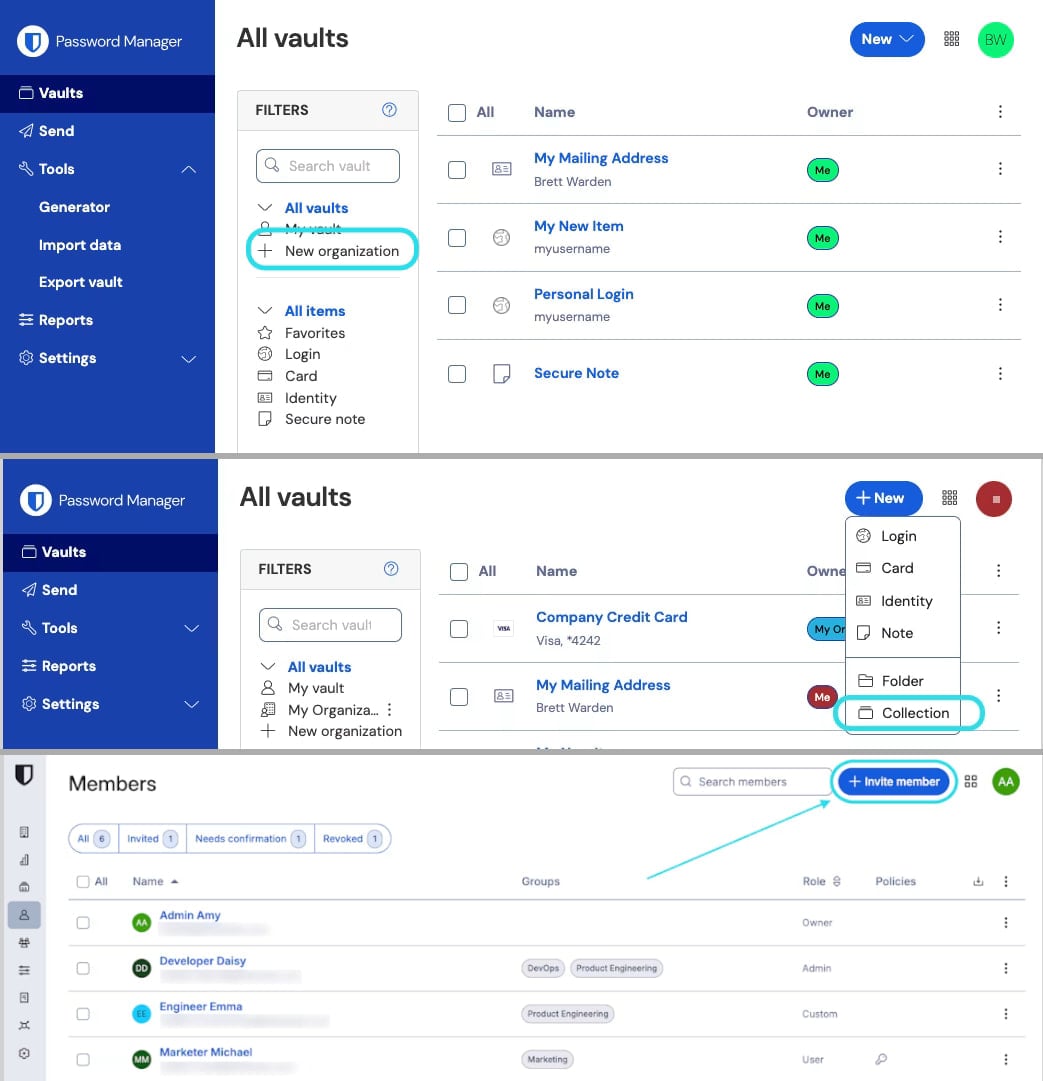
At the core of this new sharing mechanism is the concept of a shared "Organization" — a distinct, encrypted container designed to house shared login credentials and other sensitive information. Unlike a personal vault, which is exclusively managed by an individual, an Organization allows for predefined access and collaborative management among designated members. For free-tier users, this Organization is specifically configured for two individuals, making it ideal for partners, roommates, or close family members. The setup process is streamlined, typically initiated through Bitwarden’s intuitive web interface, where the primary account holder can establish the Organization and then invite a second member using their email address.
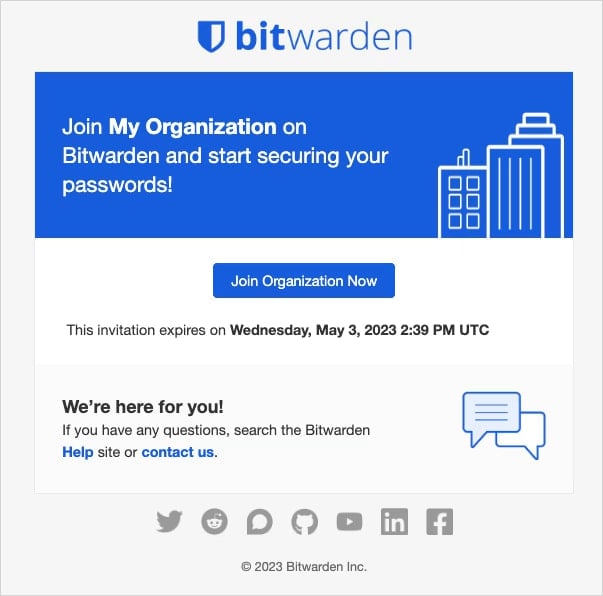
A cornerstone of Bitwarden’s security philosophy is end-to-end encryption, and this principle is rigorously applied to the shared vault. All data stored within the Organization is encrypted on the user’s device before it ever leaves for Bitwarden’s servers, ensuring that only authorized participants with the correct decryption keys can access the information. Bitwarden itself has no knowledge of the plaintext data. To further bolster security and prevent sophisticated "adversary-in-the-middle" enrollment attacks, a critical verification step has been incorporated. Vault owners are provided with a unique fingerprint phrase that must be independently confirmed by the invited member. This out-of-band verification mechanism ensures that the intended recipient, and only the intended recipient, gains access to the shared vault, preventing malicious actors from intercepting an invitation and masquerading as a legitimate member. This layered security approach is crucial for maintaining trust and integrity in a collaborative digital environment.
Furthermore, the shared Organization is architecturally isolated from the personal vaults of its members. This segregation is a key security feature, meaning that a compromise of the shared vault would not automatically grant access to an individual’s personal, private credentials, and vice-versa. This compartmentalization minimizes the blast radius of any potential security incident, providing an additional layer of protection for users’ broader digital footprint.
Empowering Collaborative Digital Stewardship
The functionality extends beyond mere sharing; it actively promotes collaborative digital stewardship. Within the shared Organization, both designated members possess the authority to edit or delete items, fostering a sense of joint ownership and responsibility for the shared credentials. This bidirectional control ensures that updates to passwords or changes in access requirements can be promptly implemented by either party, maintaining the currency and accuracy of the shared information. Such a feature is particularly valuable in dynamic household environments where various individuals may be responsible for different aspects of digital account management.
Moreover, the system offers robust control mechanisms for managing access. The primary account holder retains the ability to revoke access to the Organization vault and its contents at any time. This flexibility is paramount in situations where relationships change, or when an individual’s access is no longer required, providing peace of mind and preventing unauthorized continued access. The configurability of sharing permissions also allows for fine-tuning how information is exchanged, though for the free tier, the primary focus is on a straightforward two-person collaborative model. This level of granular control over digital access is a significant upgrade from the ad-hoc methods typically employed for personal password sharing.
Strategic Market Positioning and User Acquisition
From a business perspective, the introduction of a free-tier shared vault represents a shrewd strategic move for Bitwarden. It serves multiple objectives, most notably expanding its user base and reinforcing its freemium model. By offering a highly sought-after security feature without charge, Bitwarden can attract a new segment of users who might otherwise rely on less secure methods or be hesitant to invest in a paid password manager. These new users, once accustomed to the convenience and security of Bitwarden, are more likely to consider upgrading to premium plans as their needs evolve or as they seek additional features and expanded capacity.
The timing of its launch, preceding a well-known romantic holiday, is also indicative of a targeted marketing strategy. By associating the feature with personal relationships and trust, Bitwarden aims to resonate with individuals seeking practical ways to manage their shared digital lives securely. This emotional connection can be a powerful driver for adoption, particularly among users who prioritize ease of use and immediate utility.
Furthermore, this free offering differentiates Bitwarden within a competitive market. While many password managers offer collaborative features, they are often reserved for paid family or business plans. By making this capability accessible at no cost, Bitwarden positions itself as a leader in democratizing advanced security, particularly for personal use cases. This can significantly enhance brand loyalty and drive organic growth through word-of-mouth referrals.
Implications for the Broader Cybersecurity Landscape
The availability of secure, free-tier shared vaults carries broader implications for the cybersecurity landscape. It represents a subtle yet significant shift in how individuals are empowered to manage their digital lives.
Firstly, it contributes to the overall improvement of digital hygiene. By providing an intuitive and secure alternative to insecure sharing practices, it encourages users to adopt better habits, thereby reducing the prevalence of easily exploitable vulnerabilities. This has a ripple effect, making individual users less susceptible to phishing, credential stuffing, and other common cyber threats.
Secondly, it highlights the evolving role of password managers. What began as tools for individual password storage are now transforming into comprehensive identity and access management platforms, even for personal use. The move towards collaborative features underscores a recognition that digital identity is increasingly interconnected, requiring solutions that support shared environments without compromising security. This evolution aligns with the broader industry trend towards "zero-trust" architectures, where no entity, internal or external, is implicitly trusted, and verification is required from everyone and everything trying to gain access to resources. Even in a personal context, verifying the legitimacy of shared access is paramount.
Thirdly, this development could intensify competition among password managers, pushing other providers to offer similar features at lower price points or enhance their existing collaborative offerings. This competitive pressure ultimately benefits consumers, leading to more robust and accessible security solutions across the board.
Distinguishing Between Tiers: Free vs. Premium Capabilities
It is crucial to understand that while this feature significantly enhances the free-tier offering, it is distinct from the more comprehensive and sophisticated sharing capabilities available to users on Bitwarden’s paid Family, Teams, and Enterprise plans. These premium tiers are designed for more extensive collaboration and management needs, offering:
- Higher User and Collection Limits: Paid plans support a significantly larger number of users and allow for the creation of numerous shared collections, accommodating larger families, departments, or entire organizations.
- Granular Role-Based Access Control (RBAC): Premium plans provide advanced RBAC, allowing administrators to define precise permissions for different users or groups. This means specific individuals can be granted read-only access, limited editing rights, or full administrative control over certain items or collections, which is essential for complex organizational structures.
- Advanced Features: Paid plans often include additional features such as directory synchronization, advanced auditing and event logging, self-hosting options, and dedicated support, catering to the more rigorous demands of professional and large-scale deployments.
Therefore, while the new shared vault for free users addresses a fundamental need for basic personal sharing, it is not intended to replicate the full suite of enterprise-grade features. Instead, it acts as an entry point, providing a taste of Bitwarden’s collaborative power and encouraging users to consider the benefits of upgrading as their requirements expand beyond a two-person setup. It thoughtfully segments the market, offering foundational utility to all while reserving advanced capabilities for those with more complex demands.
Future Trajectory and Ecosystem Integration
Looking ahead, the success of this new feature could pave the way for further enhancements and integrations within the Bitwarden ecosystem. One potential area for development could involve expanding the limits for free users, perhaps allowing for a slightly larger number of participants or collections, based on user feedback and market demand. There is also the possibility of tighter integration with other emerging digital identity standards or secure communication protocols, further solidifying Bitwarden’s position as a central hub for digital security.
As digital lives become even more intertwined, the need for intuitive, secure, and collaborative credential management will only grow. Bitwarden’s proactive step in democratizing this capability for its free users is a testament to its commitment to fostering a more secure digital future for everyone, one shared password at a time. This strategic innovation not only addresses an immediate user need but also positions the company advantageously within the evolving landscape of personal and organizational cybersecurity.



 Aura Kasih
 Lisa Mariana
 Ayu Aulia