Lisa Mariana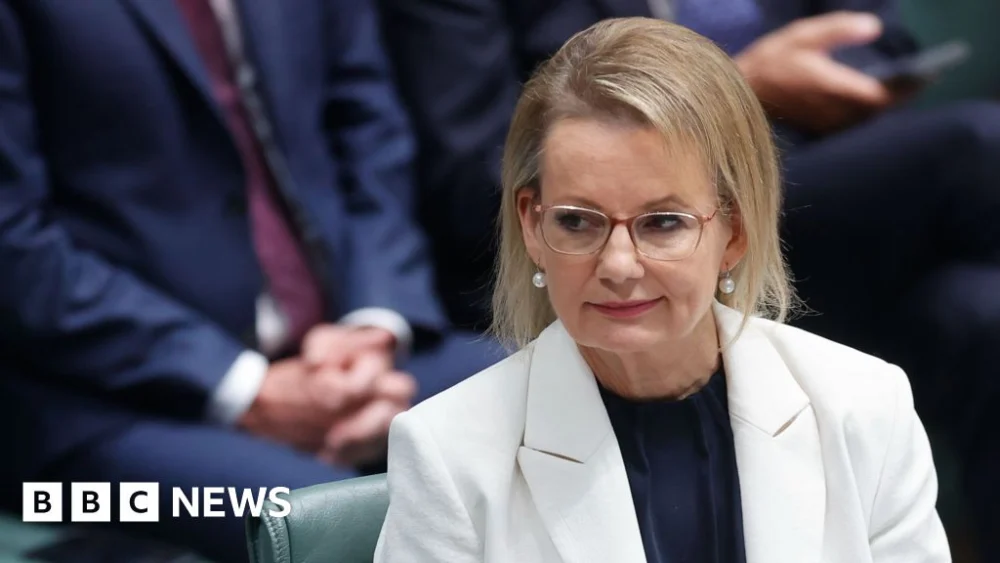
The recent leadership transition within Australia’s Liberal Party, culminating in Sussan Ley’s nine-month tenure as deputy leader, has reignited a critical discourse regarding the entrenched challenges women face in ascending to and retaining positions of power within the nation’s political landscape. This internal upheaval, marked by a swift ballot that saw Ley replaced, prompts a deeper examination into whether the phenomenon colloquially termed the "glass cliff" continues to shape the trajectories of female leaders in Australian public life, particularly within conservative political structures.
Sussan Ley’s elevation to the deputy leadership position was, at the time, heralded by some as a breakthrough moment for the Liberal Party, signaling a potential shift towards greater gender inclusivity at its highest echelons. However, for many observers, the context of her appointment immediately evoked the concept of the "glass cliff." This sociological theory posits that women and other minority groups are disproportionately appointed to precarious leadership roles during periods of organizational crisis, where the risk of failure is significantly higher. Such appointments, while appearing to represent progress, often set these leaders up for an almost inevitable downfall, serving as a convenient scapegoat for pre-existing systemic problems.
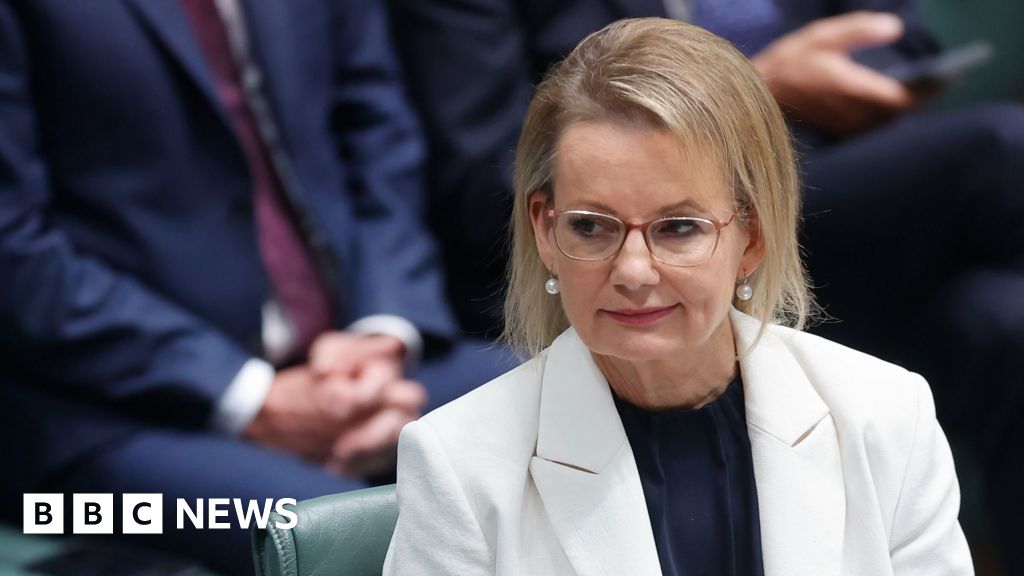
Ley assumed the deputy leadership in the aftermath of the Liberal Party’s most devastating electoral defeat in decades, an outcome that plunged the party into profound introspection and internal disarray. The challenges confronting the new leadership were monumental: a fractured party room demanding unity, a strained relationship with its long-standing coalition partner, the National Party, and an urgent need to fundamentally re-evaluate a policy platform comprehensively rejected by the electorate. Compounding these structural issues was the critical imperative to rehabilitate the Liberal Party’s severely damaged reputation among female voters, a demographic that had abandoned the party en masse following a series of highly publicised allegations of misogyny and a perceived lack of action on women’s issues during its prior term in government. This confluence of adverse circumstances precisely mirrored the conditions under which the "glass cliff" phenomenon is typically observed, positioning Ley in an inherently vulnerable role from the outset.
The internal party dynamics, already complex, were further complicated by the ideological schisms prevalent within the Liberal-National Coalition. The leadership faced the daunting task of reconciling the more conservative elements of its base, often concentrated in rural and regional areas, with the increasingly progressive expectations of voters in the urban centres where the party had suffered significant losses. This delicate balancing act required a leader capable of broad appeal and robust internal negotiation, skills that would be tested relentlessly. Michelle Ryan, Director of the Global Institute for Women’s Leadership and a key figure in coining the "glass cliff" term, unequivocally characterised Ley’s situation as a "classic glass cliff," underscoring the formidable, perhaps insurmountable, nature of the challenges she inherited.
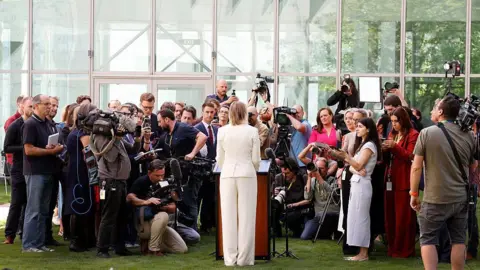
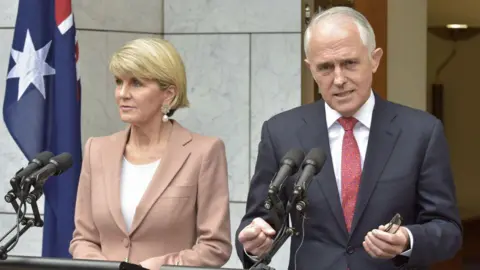
Ley herself, a veteran parliamentarian with two decades of experience and five years as a cabinet minister, initially pushed back against the "glass cliff" narrative. She presented a profile that seemed uniquely suited to navigate the party’s diverse factions: a moderate capable of appealing to urban voters, yet rooted in a rural electorate, giving her credibility with the National Party. Her unconventional background, which included stints as a pilot and a sheep musterer, was often cited as evidence of her resilience and ability to break barriers. In an op-ed published shortly after her initial appointment, Ley contended that the Liberal Party’s leadership selections were based on merit, not gender, and dismissed the notion that women were merely relegated to "clean up the mess." However, this assertion has been met with considerable skepticism by many who point to the party’s historical reluctance to back highly qualified female candidates, most notably Julie Bishop, a popular and long-serving minister who served as deputy leader for 11 years but was famously overlooked for the top job in 2018.
The brevity of Ley’s tenure, culminating in her defeat by Angus Taylor in a leadership ballot (34 to 17), has inevitably reignited the debate: was her removal a consequence of poor performance or an illustration of gender bias within the party? Proponents of the latter argue that Ley was never afforded a genuine opportunity to succeed, operating under an implicit understanding that she was merely a placeholder for a male successor, specifically Taylor, whose previous leadership bid had narrowly failed. This perception of being a "seat warmer" fundamentally undermines a leader’s authority and ability to enact meaningful change, regardless of individual capability.
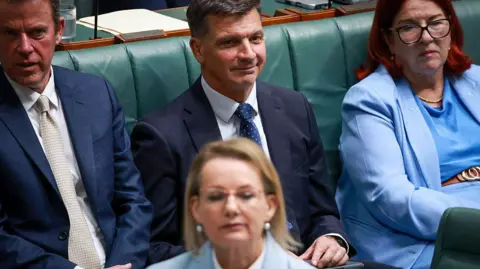
Conversely, critics contend that Ley’s downfall was primarily attributable to her performance and strategic missteps. Niki Savva, a respected political commentator and former Liberal Party advisor, strongly argued against attributing Ley’s difficulties solely to gender. Savva pointed to Ley’s perceived lack of conviction on key issues, particularly her initial commitment to listening to the electorate on climate change, which she later rolled back under pressure from conservative factions. This policy inconsistency, coupled with two public and contentious ruptures between the Liberals and Nationals during her leadership, contributed to an abysmal approval rating. According to Senator James Paterson, a prominent backer of Angus Taylor, Ley’s personal approval rating plummeted to negative 39, marking the worst performance of an opposition leader in 23 years. Such metrics, her detractors argue, are objective indicators of a leader’s effectiveness, irrespective of gender. Yet, Michelle Ryan offers a nuanced perspective, asserting that the debate is not solely about Ley’s qualifications or performance but rather about the broader institutional readiness of the party to genuinely empower and sustain female leadership.
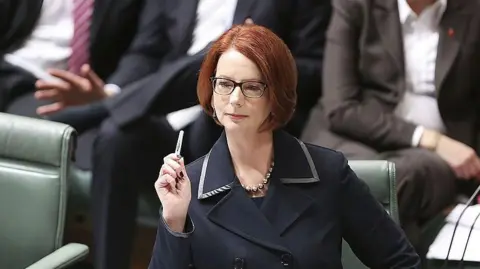
The broader landscape of women’s representation in Australian politics provides crucial context to Ley’s experience. Julia Gillard, Australia’s first and only female Prime Minister, famously articulated at the end of her "misogyny-plagued" tenure in 2013 that her gender neither entirely explained nor entirely disregarded the complexities of her prime ministership. While significant strides have been made in parliamentary representation since Gillard’s era, these gains have been unevenly distributed across the political spectrum. The Labor Party, through the implementation of ambitious quotas over three decades, has achieved a historic milestone of a majority-female caucus (57%) and gender parity in cabinet. In stark contrast, the Liberal-National Coalition’s party rooms remain approximately one-third female, reflecting a sustained resistance to formal gender quotas by many doyens within both parties, including Ley herself, who once declared herself a "zealot for getting more women into parliament, but agnostic on quotas" – a stance critics deemed vague and ineffective.
This divergence in approach has had tangible consequences. The Liberal Party’s perceived reluctance to champion and elevate strong female candidates has inadvertently fueled the rise of the "Teal" independents. These female-identifying candidates, often fiscally conservative but socially progressive, successfully contested and won historically safe Liberal seats in the 2022 federal election, demonstrating a clear electoral appetite for female leadership that the Liberal Party had failed to satisfy internally. Over 70% of the crossbench MPs in the current parliament are women, many of whom are Teal independents, signifying a significant shift in the political landscape driven, in part, by the vacuum left by the Liberal Party’s internal gender dynamics. Even within the Labor government, while women hold significant roles like Penny Wong as Senate leader and Foreign Minister, a persistent pattern remains where women are often relegated to more junior cabinet positions or non-cabinet ministries, indicating that challenges persist beyond mere numerical representation.
Sussan Ley’s departure, accompanied by her pointed remark that her successor would need "clear air, something that is not always afforded to leaders," serves as a poignant closing statement on her brief but tumultuous tenure. This latest chapter in the Liberal Party’s leadership saga is unlikely to resolve its existential quandaries. Electoral post-mortems and consistent feedback from various interest groups continue to underscore the urgent need for the Liberal Party to evolve into a more diverse and representative entity that truly mirrors modern Australia.
The recurring internal strife and leadership instability, exacerbated by the narrative surrounding Ley’s "glass cliff" experience, paint a picture of a party struggling to adapt. At best, the events reveal a profound disorganisation and disunity that undermine public confidence. At worst, they suggest a stubborn reluctance within the Liberal Party to genuinely confront and learn from its past mistakes regarding gender equity and leadership selection. For a party striving to regain its relevance and electoral viability, the ongoing perception of a problematic relationship with women in leadership positions represents a significant structural impediment that demands far more than rhetorical assurances for its resolution. The question of whether this episode will compel a fundamental re-evaluation of its internal culture or merely perpetuate a cycle of missed opportunities remains a critical determinant of its future trajectory in Australian politics.



 Safa Marwah
 Aura Kasih
 Ridwan Kamil