
 Ridwan Kamil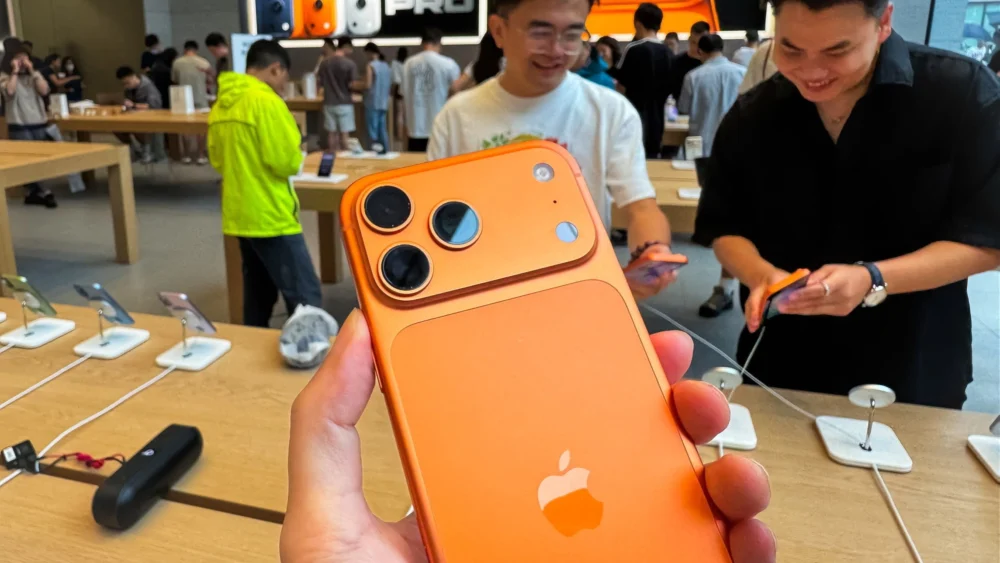
A striking new iPhone colorway, reminiscent of the iconic Hermès orange, has emerged as a potent catalyst for Apple’s renewed market traction in China, signaling a sophisticated recalibration of its consumer engagement strategy within the world’s most dynamic smartphone arena.
The Chinese smartphone market, a fiercely contested battleground for global technology giants, has witnessed a discernible shift in consumer preferences and brand loyalties. For years, Apple, despite its premium positioning and robust ecosystem, faced escalating challenges from formidable domestic rivals such as Huawei, Xiaomi, and Vivo. These competitors have consistently innovated, offering compelling hardware, aggressive pricing, and localized features that resonate deeply with Chinese consumers. The introduction of the "Hermès orange" iPhone, a color deeply associated with luxury, exclusivity, and sophisticated taste, represents a strategic maneuver by Apple to reclaim its premium appeal and tap into a specific, affluent segment of the Chinese market. This move transcends mere aesthetic differentiation; it is a calculated response to the evolving luxury landscape and a direct appeal to consumers who value heritage, craftsmanship, and distinctive brand identity.
The choice of "Hermès orange" is not arbitrary. This particular shade carries significant cultural and brand equity in China, evoking associations with high-end fashion, artisanal quality, and a certain understated opulence. Hermès, a storied French luxury house, has cultivated a powerful brand image over decades, and its signature color has become synonymous with unparalleled craftsmanship and discerning taste. By adopting this hue for a special edition iPhone, Apple is not just offering a new color; it is aligning itself with these aspirational values, aiming to capture the attention of consumers who seek products that reflect their status and sophisticated lifestyle. This is particularly relevant in China, where luxury consumption is not only about material possession but also about signaling social standing and personal discernment.
This strategic color play is part of a broader, more nuanced approach Apple is employing to navigate the complexities of the Chinese market. Historically, Apple’s success in China was built on its perceived technological superiority and its status as a global innovator. However, as local competitors have matured, they have closed the innovation gap, often excelling in areas such as camera technology, battery life, and software integration tailored to local user habits. Furthermore, the increasing geopolitical tensions and a growing emphasis on domestic technological self-reliance have created a more challenging environment for foreign brands. Apple’s response, therefore, needs to be more than just offering cutting-edge technology. It requires a deep understanding of local cultural cues and consumer psychology.
The "Hermès orange" iPhone can be seen as a direct response to this evolving landscape. It’s an attempt to differentiate Apple not just on technological merit, but on brand narrative and emotional resonance. By leveraging the established prestige of the Hermès brand and its signature color, Apple is aiming to create an aura of exclusivity and desirability that transcends conventional product features. This strategy taps into the burgeoning demand for personalized and unique luxury goods among China’s affluent and aspirational consumers, who are increasingly seeking products that tell a story and reflect their individual identities.
Furthermore, the timing of this release is significant. Apple has been facing headwinds in China, with its market share experiencing fluctuations. While it remains a dominant player, the intense competition has put pressure on its sales. A limited-edition, high-profile release like the "Hermès orange" iPhone can generate significant buzz, drive sales, and reinforce Apple’s brand image as a purveyor of premium, desirable products. This can have a ripple effect, potentially boosting sales of other Apple products and services by reinforcing the overall brand appeal.
The success of such a strategy hinges on several factors. Firstly, the availability and distribution of the "Hermès orange" iPhone need to be carefully managed to maintain its exclusivity. Limited production runs and targeted marketing campaigns can enhance its perceived value and desirability. Secondly, Apple needs to ensure that the product itself lives up to the luxury association. This means not only a visually appealing color but also potentially enhanced packaging, exclusive customer service, or even bundled services that align with a premium experience.
Beyond the specific color release, Apple’s broader strategy in China is likely to involve a continued emphasis on its integrated ecosystem of hardware, software, and services. While individual product features are important, the seamless integration of the iPhone, iPad, Mac, Apple Watch, and services like Apple Music and iCloud offers a compelling value proposition that competitors often struggle to replicate. For affluent Chinese consumers, the Apple ecosystem represents not just a collection of devices but a lifestyle and a symbol of technological sophistication.
Moreover, Apple’s investments in its retail presence and customer service in China are crucial. Providing a premium in-store experience and responsive customer support can significantly enhance brand loyalty and differentiate Apple from its competitors. As competition intensifies, the overall customer journey becomes as important as the product itself.
The "Hermès orange" iPhone’s impact also extends to Apple’s ability to fend off the growing influence of domestic brands. While these brands are making significant strides in technology and affordability, they are still building their luxury credentials. By associating itself with a globally recognized luxury icon like Hermès, Apple is reinforcing its position at the apex of the market, making it more challenging for competitors to directly challenge its premium status.
Looking ahead, this strategic move suggests a more adaptive and culturally attuned approach from Apple in China. The company is likely to continue exploring ways to connect with Chinese consumers on a deeper emotional and cultural level, moving beyond a purely product-centric strategy. This could involve more localized content, partnerships with Chinese artists or designers, or special editions that draw inspiration from Chinese culture, while still maintaining Apple’s core brand identity.
The competitive landscape in China is constantly evolving, with new technologies and consumer trends emerging rapidly. Apple’s ability to remain relevant and competitive will depend on its agility in responding to these changes. The "Hermès orange" iPhone is a bold step in this direction, demonstrating a willingness to innovate not just in technology, but in marketing and brand positioning, to secure its future success in one of its most critical global markets. The success of this initiative will be closely watched as a barometer of Apple’s ability to reassert its dominance in a market that is increasingly sophisticated and discerning in its appreciation of both technology and luxury. The long-term implications for Apple’s market share and brand perception in China are significant, potentially marking a turning point in its ongoing engagement with this vital consumer base.




 Aura Kasih
 Lisa Mariana

 Safa Marwah