
 Aura Kasih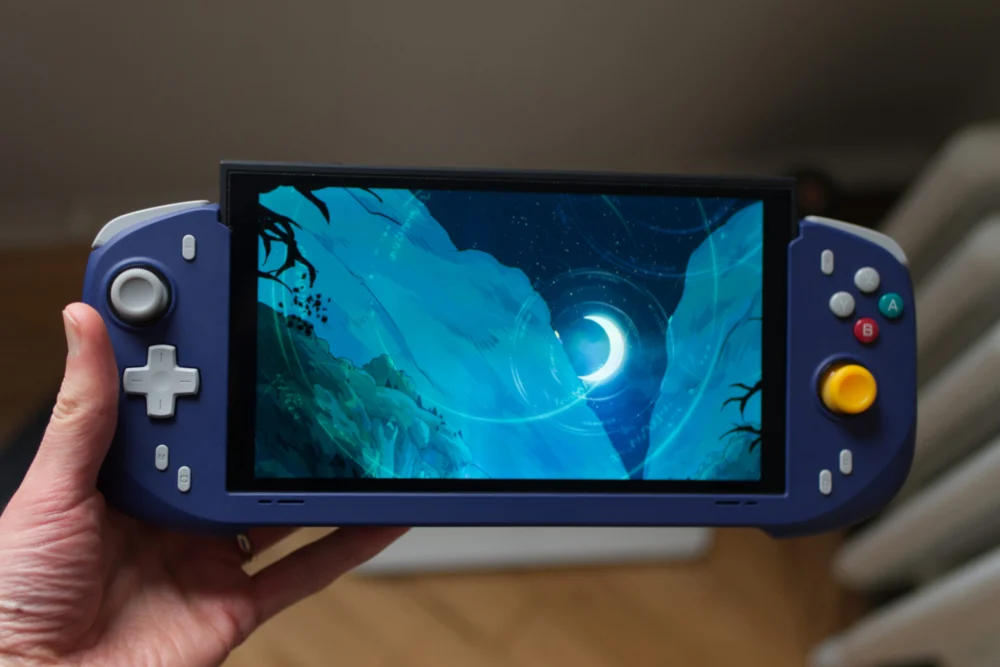
A promising new accessory from gaming peripheral manufacturer Abxylute aims to revolutionize the Nintendo Switch 2 experience with its innovative dock-style controller prototypes, the N6 and N9C, designed to offer a more comfortable and feature-rich alternative to the standard Joy-Cons. However, early testing of the N6 prototype reveals a significant ergonomic hurdle that could hinder its widespread adoption, particularly for gamers with average to larger hand sizes.
The landscape of dedicated Switch controllers has evolved considerably since the original console’s launch, with companies recognizing the demand for enhanced ergonomics and improved functionality beyond Nintendo’s native offerings. CRKD, for instance, pioneered the "slide-in" form factor with its Nitro Deck, effectively transforming the Switch into a more robust handheld device akin to the Steam Deck. This approach not only addressed perceived comfort issues with the Joy-Cons but also provided a solution to the persistent "Joy-Con drift" problem through the integration of Hall effect joysticks, which are inherently more durable and less prone to wear. Abxylute’s N6 controller builds upon this established foundation, promising a suite of premium features.
The N6 controller boasts a design that prioritizes a more substantial grip, a direct departure from the compact nature of the Joy-Cons. This larger form factor is intended to provide a more secure and comfortable hold, especially for individuals with medium to large hands who often find the standard Nintendo controllers lacking in palm support. Complementing the enhanced grip are Hall effect joysticks, a crucial inclusion that signifies a commitment to longevity and precision. Unlike traditional analog sticks that can degrade over time, leading to input inaccuracies, Hall effect technology utilizes magnetic sensors, eliminating physical contact and thus preventing the dreaded drift phenomenon. This feature alone positions the N6 as a compelling option for discerning gamers seeking a more reliable control experience.
Beyond the foundational improvements, the N6 controller is engineered to offer a comprehensive gaming arsenal. It features full-sized analog sticks, providing a greater range of motion and finer control. Haptic feedback, through traditional vibration, is integrated to immerse players more deeply in their virtual worlds, although it stops short of the more nuanced HD Rumble offered by Nintendo. Motion controls are also supported, ensuring compatibility with games that leverage this input method. For competitive gamers or those seeking an edge, the inclusion of customizable back paddles offers a significant advantage, allowing for remapping of frequently used buttons to accessible rear triggers. Furthermore, a turbo mode is incorporated, enabling rapid-fire inputs for games that benefit from such functionality, potentially enhancing performance in action-oriented titles.
The core design philosophy of the N6 controller appears to be a direct response to common criticisms of the Joy-Cons, particularly concerning their size and feel in hand. The larger grips are designed to fill the palm more effectively, allowing fingers to rest naturally without feeling cramped. The analog sticks, described as grippier and featuring a concave top, are intended to provide a more secure thumb placement, reducing the likelihood of slippage during intense gameplay. The triggers have also been enlarged and engineered for more tactile feedback, aiming to provide a more satisfying and precise input experience. These enhancements collectively suggest an effort to elevate the handheld gaming experience on the Switch 2 to a new level of comfort and control.

However, the prototype review reveals a significant flaw in the execution of these ergonomic aspirations. Despite the larger grips, the placement of the analog sticks and system-level buttons presents a considerable challenge. For users with medium-sized hands, the positioning of the left and right sticks is too low relative to the natural resting position of the fingers when gripping the controller. This forces a more awkward hand posture, making it difficult to comfortably reach the sticks without contorting the fingers. Consequently, accessing the D-pad and other buttons situated below the analog sticks becomes a cumbersome task, particularly during fast-paced gaming sessions that demand rapid and precise inputs.
The review suggests that individuals with larger hands would likely encounter even more pronounced difficulties in achieving a comfortable and functional grip. This ergonomic limitation is particularly concerning because it directly contradicts the primary selling point of the controller: improved comfort and usability. While smaller-handed players might find the N6 more accommodating, the controller’s design appears to exclude a significant portion of the target audience who are seeking a more universally comfortable solution. The need to adopt a precarious "claw grip" to maintain access to essential controls further underscores the fundamental design issue.
Furthermore, the physical design of the N6 controller leaves the top edges of the Switch 2 console exposed. This oversight not only detracts from the aesthetic appeal but also raises questions about the overall protection and seamless integration of the device. Ideally, a dock-style controller should fully encase and complement the console, providing a unified and robust gaming experience. The current design, with its exposed edges, suggests a lack of attention to these finer details, potentially compromising the perceived quality and completeness of the accessory.
The prototype also exhibits certain aspects that are still undergoing development. The rumble feedback, while described as strong, does not aim for the nuanced experience of HD Rumble. Instead, it offers a more traditional, albeit not unpleasant, vibration. The sound profile of the buttons and triggers is noted as being quite pronounced, which could be a consideration for players who prioritize quiet operation, especially in shared living spaces. Abxylute’s proactive communication regarding these ongoing developments and a list of known issues being addressed before the final release is a positive indicator of their commitment to refining the product. This transparency is crucial for building trust with potential backers on crowdfunding platforms.
Currently, the Abxylute N6 controller is available for pre-order on Kickstarter at an early bird price of HK$ 618, approximately $80 USD. This early adopter pricing reflects a common strategy in crowdfunding campaigns to incentivize initial support. However, the article notes that this discounted allotment has largely been depleted, suggesting strong initial interest. Upon its projected release in April, the N6 will face competition from other premium Switch accessories, such as the CRKD Nitro Deck 2, which is slated for a spring release and is priced at $99.99. The Nitro Deck 2 reportedly offers a wider array of advanced features, potentially making it a more compelling option for consumers seeking the most feature-rich experience.
The critical ergonomic flaw identified in the N6 prototype casts a significant shadow over its potential success. While the incorporation of Hall effect joysticks, customizable paddles, and a more substantial grip are commendable features, the fundamental issue of stick and button placement appears to be a significant barrier to comfortable and efficient gameplay for a substantial segment of the gaming population. Until this design challenge is effectively addressed, the N6 may struggle to gain widespread traction, despite its other promising attributes. The success of such accessories hinges on their ability to seamlessly enhance the core gaming experience without introducing new frustrations, and in its current iteration, the N6 prototype falls short of this crucial benchmark. The future outlook for Abxylute’s controller will depend heavily on their ability to iterate on this design, ensuring that improved ergonomics become a reality rather than a missed opportunity.


 Ayu Aulia
 Lisa Mariana

 Safa Marwah