Lisa Mariana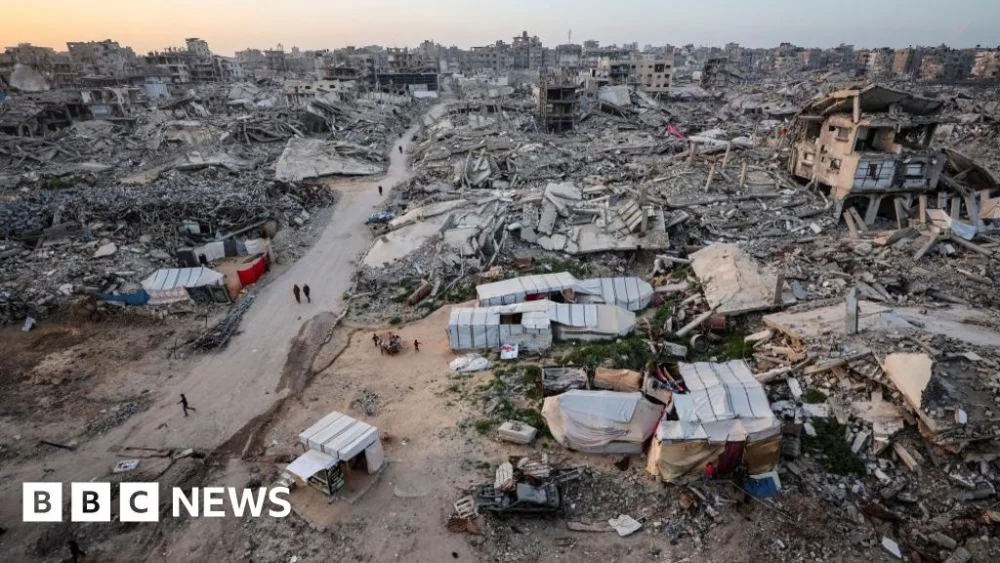
A newly constituted international forum, spearheaded by former President Donald Trump, has announced a significant financial commitment exceeding $7 billion towards the humanitarian and infrastructural revitalization of the Gaza Strip, signaling a distinct approach to post-conflict stabilization amidst ongoing geopolitical realignments and skepticism from traditional Western allies regarding its mandate. The revelation, made during the inaugural assembly of the organization, designated by its proponents as the "Board of Peace," underscores a concerted effort to address the catastrophic destruction in Gaza while simultaneously navigating intricate political and security considerations, particularly concerning the future governance and demilitarization of the territory.
The substantial financial pledge was unveiled by the former US president during the first official gathering of the Board of Peace, an initiative whose formation has been met with considerable apprehension by several established Western democracies. These nations, including the United Kingdom, Canada, France, and Germany, have conspicuously abstained from participation, expressing profound concerns that the newly formed body, ostensibly designed to facilitate an end to the protracted conflict between Israel and Hamas, could inadvertently or intentionally undermine the foundational role and authority of the United Nations in global conflict resolution and humanitarian coordination. This divergence in approach highlights a broader schism in international diplomacy, challenging conventional multilateral frameworks.
Central to the initiative’s objectives is the second phase of a United States-brokered ceasefire proposal for Gaza, which explicitly articulates the dual imperatives of disarming Hamas and undertaking comprehensive reconstruction of the devastated enclave. While the former president conveyed an optimistic assessment that Hamas appeared poised to relinquish its military capabilities, suggesting the group "looks like" it would disarm, on-the-ground intelligence and reports from residents within the Gaza Strip present a contrasting narrative, indicating a persistent and even expanding consolidation of control by the Palestinian militant organization across the territory. This discrepancy between pronouncements and observable facts introduces a significant layer of complexity to the proposed reconstruction and stabilization efforts.
During the same pivotal Board of Peace convention, Israeli Prime Minister Benjamin Netanyahu reiterated a critical prerequisite for any substantial rebuilding efforts in Gaza. He affirmed that Israel had reached a definitive understanding with its primary ally, the United States, stipulating that no large-scale reconstruction of Gaza would commence prior to the complete demilitarization of the Strip. This uncompromising stance from Jerusalem underscores the deep-seated security concerns driving Israeli policy, effectively tying humanitarian and developmental aid to a fundamental shift in the security landscape of the territory. The Israeli position creates a significant hurdle, as the prospect of Hamas voluntarily disarming remains highly contentious and largely unsupported by current indicators.
The origins of the current devastating conflict trace back to the audacious Hamas-led assault on southern Israel on October 7, 2023. That coordinated incursion resulted in the tragic deaths of approximately 1,200 individuals and the abduction of 251 others, who were taken hostage into Gaza. Israel’s subsequent military response has been extensive and relentless, unleashing a campaign across Gaza that, according to figures released by the territory’s health ministry, has led to the deaths of more than 72,000 people. This retaliatory operation has decimated Gaza’s economic infrastructure, leaving its urban centers and vital facilities largely in ruins. The sheer scale of the destruction is staggering, with the United Nations estimating the total cost of the damage at an astronomical $70 billion.
The reluctance of key Western powers to engage with the Board of Peace is rooted in long-standing diplomatic principles and a commitment to established international institutions. Concerns revolve around the potential erosion of the UN’s authority, particularly its agencies like UNRWA and OCHA, which possess unparalleled experience and infrastructure for humanitarian operations in conflict zones. These nations typically advocate for solutions that are universally recognized and implemented through existing multilateral channels, fearing that parallel structures could fragment global efforts and complicate coordination. The US’s previous administration under Trump had shown a propensity for challenging established international norms and institutions, fueling these anxieties among its allies.
In an apparent attempt to assuage these profound concerns regarding the Board of Peace’s relationship with the United Nations, the former president articulated at the Washington meeting that the new body intended to collaborate "very closely" with the UN, aiming to "bring them back" into a more prominent role. This statement, while offering a potential olive branch, also subtly implies a prior or perceived marginalization of the UN, a notion that itself has generated considerable debate within diplomatic circles. Such pronouncements highlight the delicate balance the Board of Peace must strike between forging new pathways for conflict resolution and respecting the enduring legitimacy of existing global governance structures.
Furthermore, the former US president articulated a bold vision for Gaza’s future, declaring that the territory was "no longer a hotbed of radicalism and terror." This aspirational statement sets a high bar for the outcomes expected from the Board of Peace’s initiatives. The substantial financial contributions towards the relief package were then formally announced, with a consortium of nations stepping forward. Kazakhstan, Azerbaijan, the United Arab Emirates, Morocco, Bahrain, Qatar, Saudi Arabia, Uzbekistan, and Kuwait collectively pledged over $7 billion. This diverse group of contributors, primarily from the Middle East and Central Asia, reflects a strategic alignment and a shared interest in regional stability and the reconstruction of Gaza, potentially signaling a new axis of influence in post-conflict recovery efforts.
The former president emphasized the long-term strategic value of these financial commitments, stating that "Every dollar spent is an investment in stability." This perspective frames humanitarian aid and reconstruction not merely as acts of charity but as critical components of a broader security strategy aimed at preventing future cycles of violence and fostering a more resilient socio-economic environment. Complementing these pledges, the United Nations itself is slated to contribute an additional $2 billion specifically for humanitarian assistance, underscoring its ongoing commitment to alleviating suffering in Gaza. In an unexpected but notable addition, the international football governing body, FIFA, also committed to raising $75 million for sports-related projects within the Strip, highlighting the multifaceted nature of recovery efforts that extend beyond immediate material aid to social and community development.
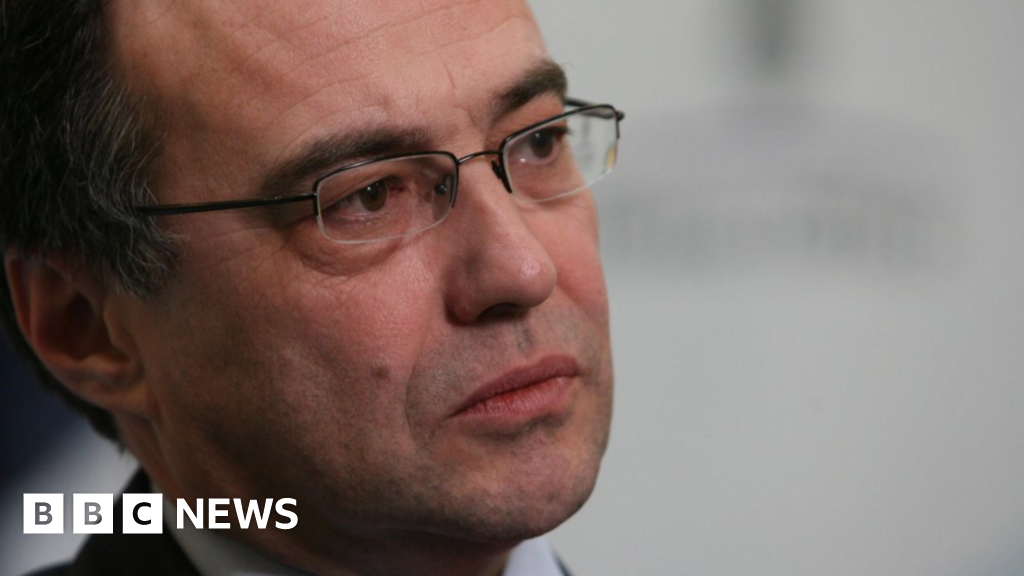
Further details regarding the operationalization of the Board of Peace’s vision were provided by Nickolay Mladenov, a distinguished Bulgarian politician who has been appointed as the high representative for Gaza within the new framework. Mladenov revealed that the process of recruiting a new transitional Palestinian police force had already commenced, indicating a tangible step towards establishing a new security apparatus in the territory. He highlighted the initial success of this recruitment drive, noting an impressive response of 2,000 applicants within the first few hours of the initiative. This rapid uptake suggests a potential local desire for order and employment, though the legitimacy, training, and ultimate authority of such a force will be critical determinants of its effectiveness and acceptance.
The implications of this initiative are far-reaching, touching upon the future political landscape of Gaza, the dynamics of international aid, and the broader architecture of global governance. The emphasis on demilitarization prior to reconstruction, as articulated by Prime Minister Netanyahu, presents a formidable sequencing challenge. Without a clear political resolution and a viable governance structure, the disbursement and effective utilization of the pledged funds will be immensely difficult. Historically, post-conflict reconstruction efforts have often faltered due to persistent security vacuums, fragmented authority, and the absence of a unified political vision.
Moreover, the participation of several Gulf and Central Asian states in this new consortium signifies a complex interplay of regional interests. These nations, many of whom have deepened ties with Israel through the Abraham Accords, may view their involvement as a means to assert regional leadership, stabilize an volatile neighborhood, and potentially curry favor with a future US administration. Their financial commitments also suggest a desire to prevent the further radicalization of the Palestinian population and to contribute to a more moderate future for Gaza, aligning with their own security priorities.
The formation of the Board of Peace and its initial financial pledges underscore a significant moment in international relations, characterized by both unprecedented challenges and novel approaches to global crises. While the financial commitment offers a glimmer of hope for the devastated population of Gaza, the success of this ambitious undertaking will ultimately hinge on its ability to reconcile conflicting political agendas, establish credible security mechanisms, and foster a truly inclusive and sustainable path to recovery, all while navigating the skepticism and diplomatic complexities inherent in a fractured international order. The path ahead for Gaza remains fraught with immense challenges, demanding not only significant financial resources but also unparalleled diplomatic ingenuity and a genuine commitment to a lasting and equitable peace.


 Ayu Aulia
 Aura Kasih
 Safa Marwah