
 Ridwan Kamil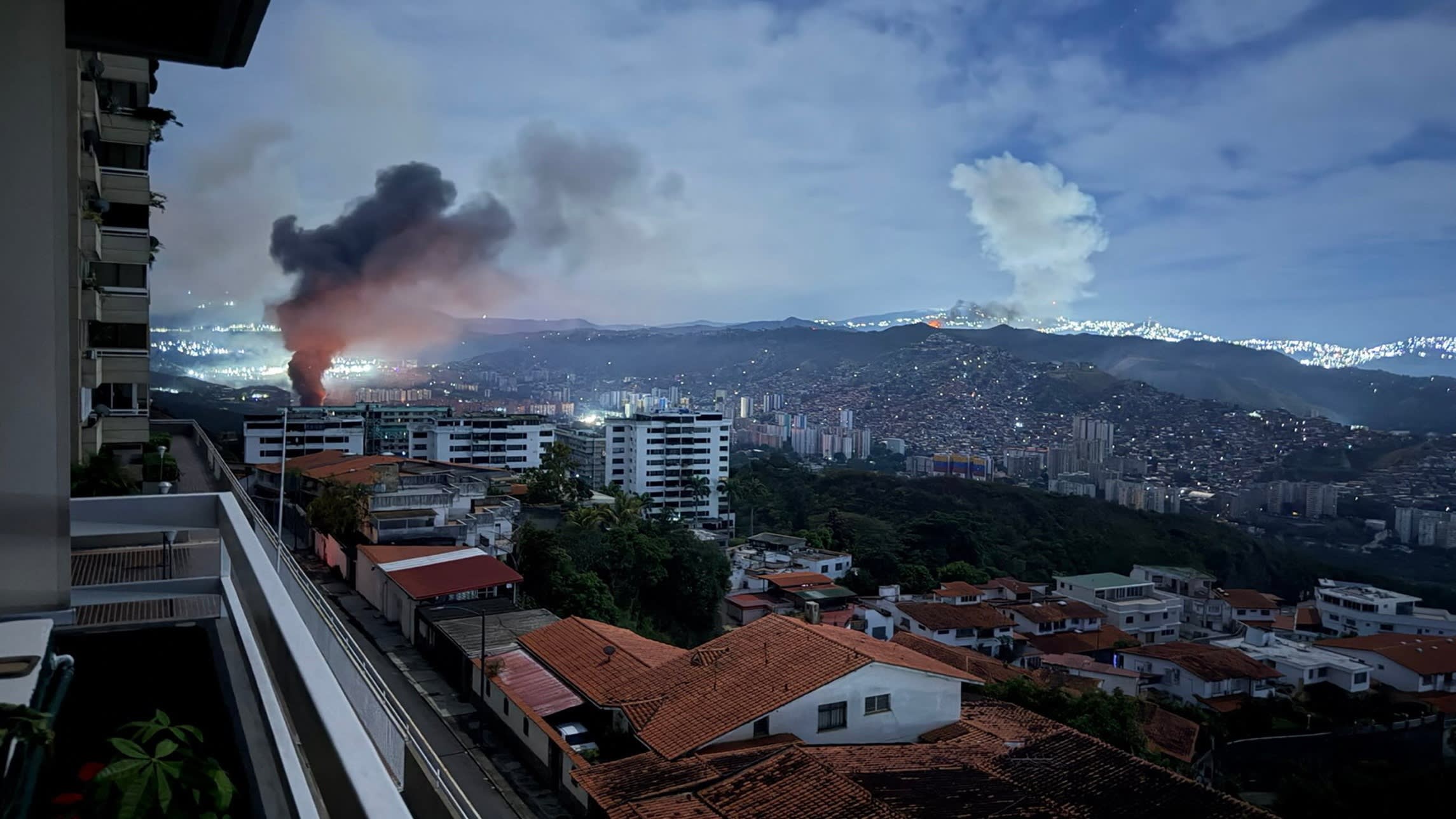
Caracas is spearheading a renewed nationalistic agenda, emphasizing an unwavering commitment to sovereignty and rejecting any form of external dominion, as the government seeks to consolidate its authority and shape its national narrative. This strategic pivot underscores a broader aspiration to regain full control over its domestic affairs and international engagements, signaling a departure from perceived vulnerabilities and a steadfast assertion of its right to chart its own course. The administration’s pronouncements are not merely rhetorical; they are backed by a series of policy initiatives aimed at strengthening national institutions, fostering economic independence, and solidifying its geopolitical standing.
The echoes of historical struggles for independence resonate deeply within Venezuela’s current political discourse. The nation, rich in natural resources, has historically been a focal point of international interest and intervention, often leading to complex geopolitical dynamics. The current government’s emphasis on sovereignty can be understood as a response to decades of perceived foreign interference, economic pressures, and political manipulation. This renewed focus on self-determination is a multifaceted strategy, encompassing economic diversification, strengthening of national industries, and a recalibration of foreign policy to prioritize relationships that align with Venezuela’s national interests. The underlying objective is to build a resilient and self-sufficient nation, insulated from the vagaries of external pressures.
At the heart of Venezuela’s assertive posture lies a desire to reclaim control over its vast natural wealth, particularly its oil reserves. For years, the nation’s economy has been intrinsically linked to the global oil market, making it susceptible to price fluctuations and international sanctions. The government’s strategy now involves a determined effort to revitalize its oil sector, not just for revenue generation, but also as a symbol of national patrimony and economic independence. This includes investments in infrastructure, technological upgrades, and the exploration of new markets, all aimed at reducing reliance on traditional partners and mitigating the impact of external economic coercion. The aim is to transform the oil industry into a robust engine of national development, rather than a source of external leverage.
Beyond the economic sphere, Venezuela’s drive for sovereignty extends to its political and social fabric. The government is actively working to bolster its domestic institutions, strengthen the rule of law, and promote social cohesion. This involves investing in education, healthcare, and social programs designed to improve the lives of its citizens and foster a sense of national unity. The administration views these internal strengthening efforts as crucial for defending its sovereignty, arguing that a strong and unified nation is better equipped to resist external pressures and pursue its own development agenda. This internal focus is seen as a necessary prerequisite for projecting strength and independence on the international stage.
The government’s foreign policy is also undergoing a significant reorientation. Venezuela is actively seeking to diversify its international partnerships, forging new alliances and strengthening existing ones that are not contingent on adherence to external political agendas. This involves engaging with a broader spectrum of global actors, including developing nations and regional blocs, to create a more balanced and resilient network of international relationships. The objective is to reduce dependence on any single power or group of nations and to ensure that Venezuela’s foreign policy decisions are guided solely by its own national interests. This strategic realignment is designed to enhance its diplomatic leverage and secure its position in a multipolar world.
Furthermore, Venezuela is actively engaging in a public diplomacy campaign to shape its own narrative and counter what it perceives as biased or distorted international media portrayals. The government is investing in communication channels, both domestic and international, to highlight its achievements, articulate its policies, and present its perspective on global affairs. This effort is crucial for building domestic support for its sovereignty agenda and for influencing international perceptions of Venezuela’s role in the global community. By controlling its own narrative, Venezuela aims to dismantle external narratives that it believes undermine its legitimacy and its right to self-determination.
The implications of Venezuela’s assertive stance are far-reaching. On a regional level, it signals a potential shift in the balance of power and influence, as Venezuela seeks to re-establish itself as a significant player in Latin American affairs. Its renewed emphasis on sovereignty could inspire other nations facing similar challenges to assert their own independence and resist external pressures. This could lead to a more complex and dynamic geopolitical landscape in the region, characterized by greater South-South cooperation and a diminished reliance on external hegemonic powers.
On the global stage, Venezuela’s commitment to sovereignty aligns with a broader trend of nations seeking to assert their autonomy and resist what they perceive as unwarranted external interference. This could contribute to a more multipolar world order, where diverse national interests and perspectives are given greater weight. However, it also presents challenges, as it may lead to increased friction with established powers and a more complex international environment. The success of Venezuela’s strategy will ultimately depend on its ability to translate its assertive rhetoric into tangible improvements in the lives of its citizens and in its overall economic and political stability.
The path ahead for Venezuela is undoubtedly challenging. Reasserting national control and achieving true self-determination requires sustained effort, strategic foresight, and the ability to navigate complex domestic and international landscapes. The government’s commitment to sovereignty, however, signals a clear direction of travel, one that prioritizes national interests and seeks to build a more independent and resilient future for Venezuela. The success of this endeavor will be closely watched by nations around the world, offering insights into the evolving dynamics of sovereignty and self-determination in the 21st century. The nation’s resolve to forge its own destiny, free from external imposition, represents a potent statement of intent in an increasingly interconnected yet ideologically diverse global arena. This commitment is not merely a political slogan but a foundational principle guiding Venezuela’s present actions and its aspirations for the future. The nation’s rich history, marked by both periods of profound external influence and tenacious struggles for independence, provides a fertile ground for understanding the deep-seated desire for autonomy that currently animates its leadership and, potentially, a significant segment of its population. The economic dimension of this pursuit is particularly critical. Venezuela’s abundant natural resources, most notably its vast oil reserves, have historically been both a source of immense potential wealth and a focal point for international geopolitical maneuvering. The government’s renewed focus on revitalizing its oil industry is therefore not just about economic recovery; it is intrinsically linked to the symbolic reclamation of national patrimony and the tangible assertion of economic independence. This involves not only infrastructural development and technological advancement but also a strategic diversification of export markets to reduce vulnerability to external economic sanctions or politically motivated trade disputes. The objective is to transform the oil sector from a point of leverage for external actors into a robust pillar of national development, serving the interests of the Venezuelan people.
The internal strengthening of Venezuela is equally paramount. The government’s emphasis on bolstering domestic institutions, upholding the rule of law, and fostering social cohesion is a recognition that true sovereignty begins at home. Investments in education, healthcare, and social welfare programs are viewed as essential for building a resilient and unified populace, capable of resisting external pressures and collectively pursuing a national development agenda. This internal focus is seen as a critical prerequisite for projecting strength and independence on the international stage. A united and empowered citizenry forms the bedrock of a sovereign nation, capable of defending its interests and charting its own course without succumbing to external dictates.
In terms of foreign policy, Venezuela’s strategic recalibration involves actively cultivating a broader spectrum of international partnerships. By engaging with a diverse range of global actors, including developing nations and regional blocs, the administration aims to create a more balanced and resilient network of international relationships. This diversification is crucial for reducing dependence on any single power or ideological alignment and for ensuring that Venezuela’s foreign policy decisions are driven solely by its own national interests. This proactive approach to international engagement is designed to enhance its diplomatic leverage and secure its position in an increasingly multipolar world, where alliances are fluid and national interests often supersede traditional geopolitical blocs.
Furthermore, Venezuela’s commitment to shaping its own narrative is a vital component of its sovereignty drive. The government is actively investing in communication channels, both domestically and internationally, to counter what it perceives as biased or distorted media portrayals. By articulating its policies, highlighting its achievements, and presenting its perspective on global affairs, Venezuela seeks to build domestic support for its sovereignty agenda and to influence international perceptions of its role in the global community. This concerted effort to control its own narrative is essential for dismantling external narratives that may undermine its legitimacy and its inherent right to self-determination. The ability to communicate its own story, on its own terms, is a powerful tool in the assertion of national identity and independence.
The ramifications of Venezuela’s assertive stance extend beyond its borders. Regionally, it signals a potential recalibration of power dynamics, as Venezuela endeavors to re-establish itself as a significant force in Latin American affairs. Its renewed emphasis on sovereignty could inspire other nations grappling with similar external pressures to assert their own independence, fostering a more complex and dynamic geopolitical landscape in the region. This could lead to increased South-South cooperation and a reduced reliance on historically dominant external powers, thereby promoting a more equitable distribution of influence.
Globally, Venezuela’s commitment to sovereignty resonates with a growing international sentiment among nations seeking to assert their autonomy and resist perceived unwarranted external interference. This trend contributes to the ongoing evolution towards a more multipolar world order, where a wider array of national interests and perspectives are increasingly acknowledged and accommodated. While this shift can foster greater diversity in global decision-making, it also presents potential challenges, including increased friction with established powers and a more intricate international environment characterized by evolving alliances and competing interests. The ultimate success of Venezuela’s strategy will hinge on its capacity to translate its assertive pronouncements into tangible improvements in the lives of its citizens and in its overall economic and political stability. The nation’s determined pursuit of its own destiny, free from external imposition, represents a significant statement of intent in the contemporary global arena, offering a compelling case study in the enduring pursuit of national sovereignty and self-determination in the 21st century.



 Aura Kasih
 Safa Marwah
 Lisa Mariana