 Ridwan Kamil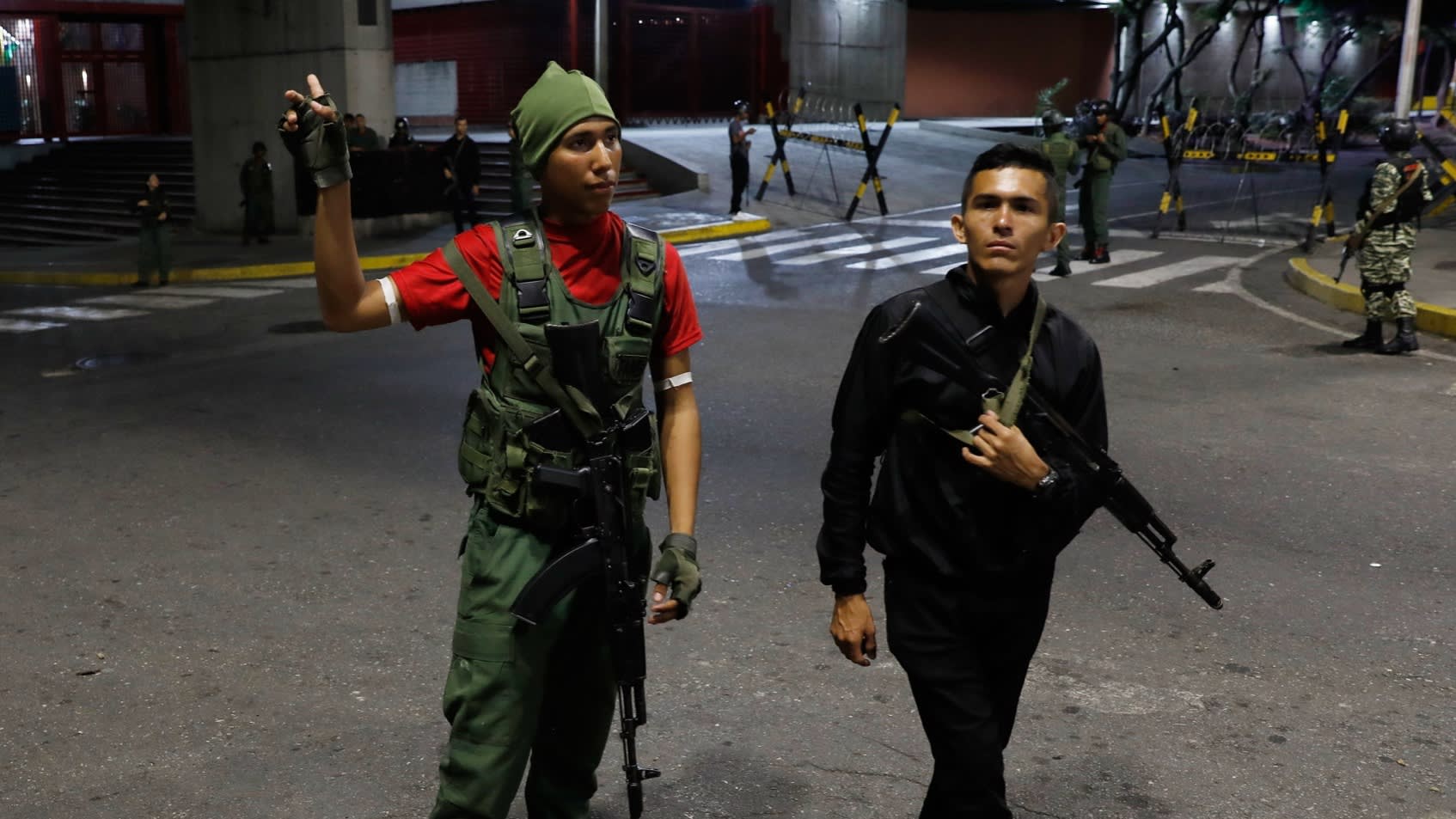
With the departure of Nicolás Maduro from the Venezuelan political landscape, the nation finds itself teetering on the precipice of profound change, yet the path forward remains shrouded in ambiguity and fraught with potential instability. The long-simmering crisis that has gripped the South American oil giant has reached a pivotal, albeit unclear, juncture, raising critical questions about governance, economic recovery, and the potential for a genuine democratic transition.
For over two decades, Venezuela has been a nation defined by the charismatic, and later authoritarian, leadership of Hugo Chávez and his successor, Nicolás Maduro. Their Bolivarian Revolution, initially promising a redistribution of oil wealth and empowerment for the masses, ultimately devolved into a regime characterized by economic mismanagement, hyperinflation, widespread corruption, and the systematic erosion of democratic institutions. The departure of Maduro, whether through genuine abdication, internal pressure, or external influence, marks the end of an era, but it does not automatically signal the dawn of a new, stable, or prosperous one.
The immediate aftermath of Maduro’s exit is likely to be a period of intense political maneuvering. The ruling United Socialist Party of Venezuela (PSUV), which has consolidated power under the "Chavista" banner, is unlikely to relinquish its grip easily. Internal factions within the party may vie for control, potentially leading to infighting and further fragmentation of the already weakened state apparatus. Without a clear, universally recognized successor, the PSUV could fracture, with different power brokers attempting to assert their authority. This internal struggle could manifest in various ways, from behind-the-scenes negotiations to overt power plays, further exacerbating the existing political paralysis.
Conversely, the opposition, a fractured coalition that has struggled to present a united front against the ruling party, faces its own set of challenges. While Maduro’s departure might be seen as a victory, the deeply entrenched nature of the Chavista state means that simply removing the figurehead does not dismantle the system. The opposition will need to demonstrate an unprecedented level of cohesion and strategic foresight to capitalize on this moment. This includes developing a comprehensive and credible plan for national reconstruction, addressing the myriad of economic and social crises, and building trust with a populace weary of political infighting and broken promises. The diverse nature of the opposition, encompassing a range of ideologies and interests, presents a significant hurdle to unified action. Without a clear consensus on the fundamental principles of a post-Maduro Venezuela, the opposition risks squandering this opportunity.
The economic ramifications of this power vacuum are profound. Venezuela’s economy has been in a state of collapse for years, characterized by a crippling lack of basic goods, hyperinflation that has rendered the currency virtually worthless, and a dependence on a dwindling oil sector crippled by mismanagement and sanctions. Any new leadership will face the monumental task of reviving this devastated economy. This will require not only significant international financial assistance and technical expertise but also a fundamental reorientation of economic policy. A move away from state-controlled industries and towards market-oriented reforms, coupled with robust anti-corruption measures, will be essential. However, the political will to implement such painful but necessary reforms may be lacking, particularly if any new leadership is beholden to elements of the old regime. The potential for continued economic decline, or a slow and arduous recovery, remains a significant concern.
The role of the international community in this transition will be critical. For years, a coalition of countries, led by the United States and European nations, has recognized Juan Guaidó as the interim president, while imposing sanctions on the Maduro regime. Maduro’s departure could lead to a reassessment of these international positions. Some nations may be eager to re-engage with Venezuela to address the humanitarian crisis and unlock its oil reserves, while others may remain cautious, demanding concrete evidence of democratic reforms and accountability for past abuses. The lifting or modification of sanctions will have a significant impact on Venezuela’s economic prospects, but such decisions will likely be contingent on the nature of the new leadership and its commitment to democratic principles. The international community will need to coordinate its efforts to provide meaningful support without inadvertently propping up a new authoritarian structure.
Furthermore, the humanitarian crisis that has displaced millions of Venezuelans and left millions more struggling for basic necessities will require immediate and sustained attention. Any incoming government will face the immense challenge of repatriating refugees, providing essential services, and rebuilding social infrastructure. This will necessitate a delicate balance between addressing immediate needs and implementing long-term solutions for sustainable development. The international aid landscape will be crucial in this regard, with the potential for both significant support and political conditionality.
The specter of continued instability and potential conflict cannot be ignored. Venezuela has been a deeply polarized society for years, and the departure of Maduro could exacerbate these divisions. The security forces, many of whom remain loyal to the Chavista ideology, could play a decisive role in the unfolding power dynamics. Without a clear and legitimate transfer of power, there is a risk of further social unrest, political violence, and even civil conflict. The international community will need to monitor the situation closely and be prepared to support peaceful and democratic outcomes.
The transition in Venezuela is unlikely to be a swift or smooth process. The legacy of authoritarianism, economic devastation, and societal division runs deep. The coming months and years will be a critical test of the resilience of the Venezuelan people and the ability of its political actors to forge a new path. The international community will also face a test of its commitment to democratic values and its capacity for effective diplomatic engagement. The absence of Maduro may have removed a central figure of contention, but it has opened a complex Pandora’s Box of challenges that will require a concerted and sustained effort to overcome. The ultimate outcome will depend on the choices made by Venezuelan leaders and the support they receive from the global stage.
The implications of Venezuela’s political transition extend beyond its borders. The humanitarian crisis has had a significant impact on neighboring countries, straining resources and creating social challenges. A stable and prosperous Venezuela could alleviate these pressures and contribute to regional stability. Conversely, continued instability could further destabilize the region and create new geopolitical challenges. The international community has a vested interest in seeing Venezuela emerge from its crisis, not only for the sake of its own people but also for the broader implications for regional and global security.
The path to a democratic and prosperous Venezuela is a long and arduous one. It will require a fundamental shift in political culture, a commitment to transparency and accountability, and a willingness to engage in difficult but necessary reforms. The departure of Nicolás Maduro may represent a turning point, but it is merely the beginning of a complex and uncertain journey. The world will be watching closely to see if Venezuela can navigate this critical juncture and forge a future that is truly democratic, prosperous, and just. The absence of a singular, authoritarian figure opens the door to possibility, but it also magnifies the inherent complexities of rebuilding a nation from the ground up. The decisions made in the coming weeks and months will shape the destiny of Venezuela for generations to come.


 Aura Kasih
 Safa Marwah
 Lisa Mariana