
 Lisa Mariana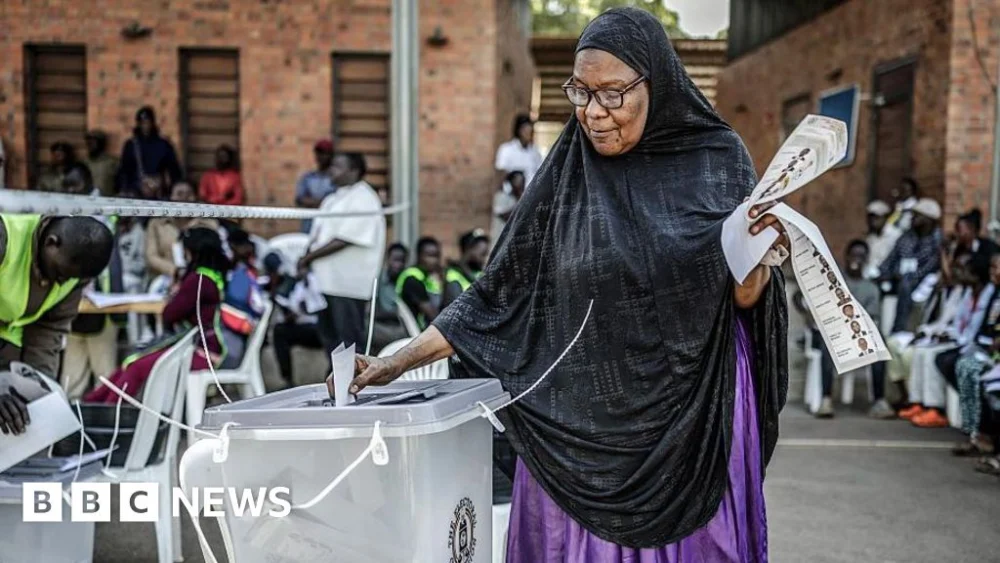
Uganda is currently navigating a pivotal general election, marked by early logistical challenges and a deeply polarized political landscape, as the nation prepares to potentially extend President Yoweri Museveni’s nearly four-decade rule against a spirited challenge from popular musician-turned-politician Robert Kyagulanyi, widely known as Bobi Wine. The electoral process, encompassing both presidential and parliamentary contests for over 21 million registered voters, commenced amidst an atmosphere of palpable tension, with initial voting hours characterized by widespread disruptions and a nationwide internet blackout. These early impediments have cast a shadow over the integrity and smooth execution of the democratic exercise, drawing scrutiny from both domestic and international observers.
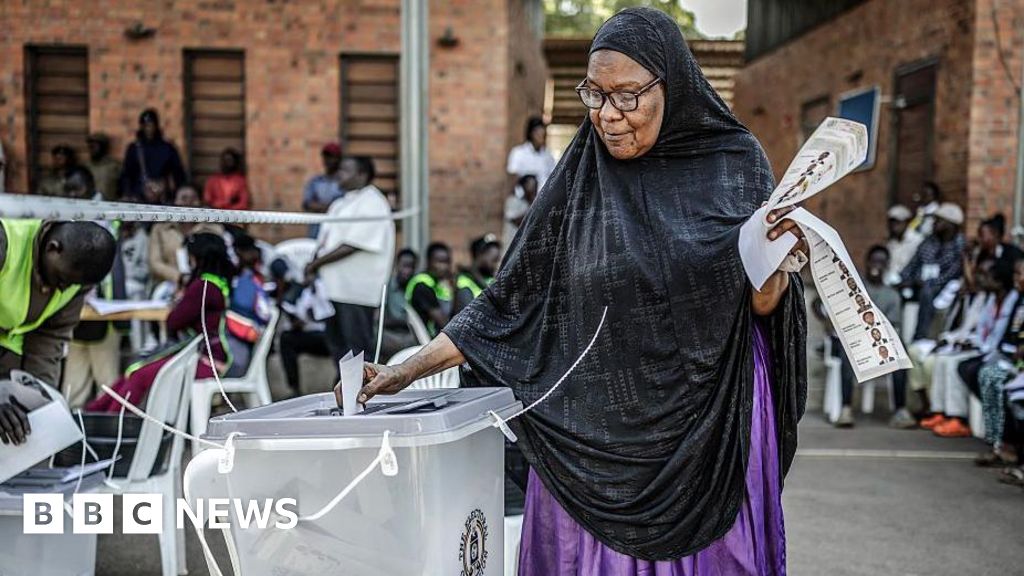
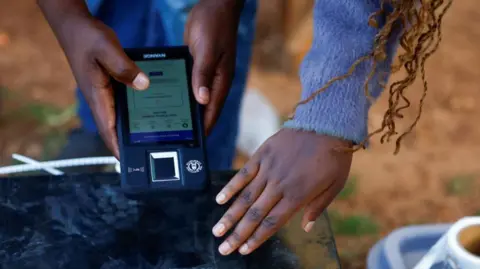
Polling stations across Uganda opened with significant delays, particularly notable in the capital, Kampala, where several locations remained inactive well past the official 07:00 local time start. Reports from various regions indicated that technical malfunctions of biometric voter identification kits were a primary cause of the holdups. These devices, crucial for verifying voter identities, reportedly failed to operate effectively, a situation many observers have linked to the government-imposed internet shutdown. The communication blackout, enacted prior to election day, has further exacerbated concerns about transparency and the ability of electoral stakeholders to monitor the process in real-time. Electoral officials and ruling party representatives acknowledged the biometric issues, with some speculating a connection to the network outage, while the opposition National Unity Platform (NUP) vehemently criticized the shutdown as a deliberate tactic to hinder their mobilization efforts and prevent the dissemination of evidence regarding potential electoral irregularities.
At 81 years old, President Yoweri Museveni is vying for his seventh consecutive term, a testament to his enduring grip on power since taking office in 1986 following a guerrilla war. His long tenure has been facilitated by two significant constitutional amendments: the removal of presidential term limits in 2005 and the abolition of the age limit for presidential candidates in 2017. These changes effectively paved the way for his continuous eligibility. Museveni’s campaign consistently emphasizes his role as the architect of stability, security, and development in Uganda, often highlighting past economic growth and regional influence. He positions himself as the experienced leader essential for steering the nation through complex challenges, promising continued progress and a firm hand against any perceived threats to national unity.
Challenging the incumbent is 43-year-old Robert Kyagulanyi Ssentamu, popularly known as Bobi Wine, a former pop star whose political ascent has galvanized a significant portion of Uganda’s youthful population. Wine, representing the National Unity Platform (NUP), presents himself as a champion of democratic reform, vowing to dismantle corruption, improve public services, and create economic opportunities for the burgeoning youth demographic. His platform resonates strongly with a generation that has known no other leader than Museveni and feels increasingly marginalized by economic stagnation and perceived political repression. Wine’s charismatic appeal and use of music as a political tool have transformed him into a formidable opposition figure, despite facing consistent harassment and suppression from state authorities. In the previous 2021 election, Wine officially secured 35% of the vote against Museveni’s 59%, results he vehemently disputed, citing widespread fraud.
The pre-election period was marred by an alarming escalation of repression against opposition figures and their supporters. International human rights organizations, including Amnesty International and the United Nations Human Rights Office, documented numerous instances of harassment, arbitrary arrests, and politically motivated detentions targeting NUP members and activists. Opposition rallies, unlike those organized by the ruling National Resistance Movement (NRM), were frequently disrupted by security forces, employing tear gas, pepper spray, and physical force. Amnesty International described these actions as part of "a brutal campaign of repression" designed to stifle dissent and intimidate voters. Police spokesperson Kituuma Rusoke, however, dismissed these allegations, instead accusing opposition supporters, particularly those aligned with Wine, of engaging in disruptive behavior that necessitated security intervention. This divergence in narratives underscores the deep mistrust between the government and the opposition, further contributing to the tense electoral climate.
The internet shutdown, justified by the Uganda Communications Commission as a necessary measure to combat misinformation, fraud, and incitement to violence, has drawn sharp criticism globally. The UN Human Rights Office expressed "deep worry" over the move, highlighting its potential to undermine freedom of expression and access to information during a critical electoral period. Opposition parties, particularly the NUP, rejected the government’s explanation, asserting that the blackout was a deliberate attempt to prevent them from mobilizing their base, communicating with their agents, and sharing evidence of potential electoral malpractices with the wider public. This digital blackout, reminiscent of similar actions in previous elections and other African nations, raises serious questions about the commitment to a free and fair electoral process.
Beyond the immediate political contest, the election is profoundly shaped by pressing socio-economic concerns. Uganda boasts one of the youngest populations in the world, with a significant majority under the age of 30. While the nation has seen a steady rise in average income, the economy struggles to generate sufficient employment opportunities for its rapidly expanding youth labor force. This pervasive youth unemployment is a critical grievance that Bobi Wine’s campaign has skillfully tapped into, promising radical reforms to address economic disparities. Voters are also deeply concerned about the state of public infrastructure, particularly in rural areas, and the persistent disparities in access to quality education and healthcare across the country. These issues represent a fundamental divide between the incumbent’s narrative of stability and development and the opposition’s call for systemic change.
The credibility of the Electoral Commission (EC) is under intense scrutiny. Simon Byabakama, the head of Uganda’s electoral body, publicly disclosed receiving threats urging him to declare specific results, a revelation that underscores the immense pressure and political interference surrounding the electoral process. Byabakama firmly stated his commitment to upholding the integrity of the vote, emphasizing that only the electorate’s will would determine the outcome. However, such threats, coupled with the logistical failures and internet shutdown, inevitably fuel public skepticism about the EC’s independence and its capacity to conduct a truly impartial election. The lack of robust international observation, often limited by government restrictions, further diminishes external oversight and potential validation of the process.
The history of Ugandan elections is unfortunately punctuated by episodes of violence and repression. The 2012 elections, for instance, were characterized by widespread protests and fatalities, with a BBC investigation concluding that security forces were responsible for a number of these deaths. This historical context contributes significantly to the apprehension felt by many Ugandans during the current electoral period. In anticipation of potential unrest, security has been significantly heightened in Kampala since the weekend preceding the vote. Armored vehicles are strategically positioned, and security personnel are conducting visible patrols, creating an intimidating presence. This robust security deployment, while officially aimed at maintaining order, is perceived by many citizens as a deterrent to peaceful assembly and a tool for suppressing dissent. Consequently, some Kampala residents have opted to relocate to rural areas, believing them to be safer during the election, highlighting the deep-seated fear and distrust that pervades the political atmosphere.

As polls are scheduled to close at 16:00 local time (13:00 GMT), with provisions for those in queues to cast their ballots, the nation braces for the announcement of results, expected by Saturday. The outcome of this election will have profound implications for Uganda’s democratic trajectory, its economic future, and its standing in the East African region. A victory for Museveni would solidify his nearly four-decade reign, potentially extending his rule into an unprecedented fifth decade, and raising questions about succession and the future of multi-party democracy in Uganda. Conversely, a victory for Bobi Wine would represent a seismic shift, signaling a new era of governance and a potential paradigm change for youth engagement in politics across Africa. Regardless of the declared winner, the irregularities and tensions surrounding the electoral process are likely to leave a lasting impact, challenging the legitimacy of the outcome and potentially fueling further political instability. The international community will be closely watching the post-election developments, emphasizing the need for transparency, adherence to democratic principles, and respect for human rights in the critical days that follow.



 Aura Kasih
 Ridwan Kamil

 Safa Marwah