
 Ridwan Kamil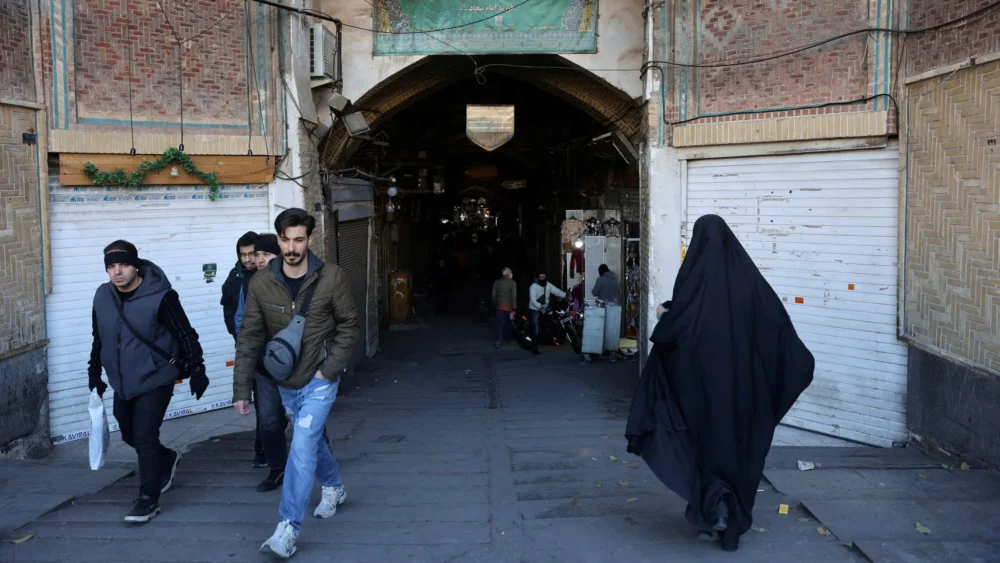
Recent widespread public demonstrations across Iran have placed President Ebrahim Raisi’s stated agenda for reform under intense scrutiny, signaling a critical juncture for his administration and the broader trajectory of the nation’s socio-political landscape.
The unfolding protests, fueled by a complex interplay of economic hardship, social grievances, and a desire for greater freedoms, represent the most significant challenge to the current leadership since President Raisi assumed office. While his campaign promised a departure from some of the more hardline policies of his predecessors, the scale and intensity of the public outcry suggest that the gap between popular aspirations and the government’s capacity or willingness to enact meaningful change remains substantial. The demonstrations, which have varied in their specific triggers and geographic spread, have coalesced around a shared sentiment of dissatisfaction, testing the limits of state control and the resilience of the existing political order.
The roots of the current unrest are multifaceted, drawing from a deep well of accumulated frustrations. For years, the Iranian populace has grappled with persistent economic challenges, including soaring inflation, high unemployment rates, and a depreciating currency. These economic pressures have been exacerbated by the impact of international sanctions, which have curtailed Iran’s ability to engage in global trade and access vital financial resources. The burden of these economic woes has fallen disproportionately on ordinary citizens, eroding their purchasing power and diminishing their quality of life. This economic precariousness creates a fertile ground for dissent, as citizens increasingly question the efficacy of current policies and the allocation of national resources.
Beyond economic anxieties, a potent undercurrent of social discontent has also fueled the protests. Iran’s unique socio-religious framework, while deeply ingrained, has also been a source of tension, particularly concerning issues of personal liberty, women’s rights, and the strict enforcement of social codes. Recent incidents, perceived as particularly egregious violations of individual freedoms, have acted as powerful catalysts, igniting widespread anger and solidarity. The demands for greater personal autonomy and a re-evaluation of restrictive social norms resonate across various segments of society, transcending purely economic grievances.
President Raisi’s political background and his platform for governance have added another layer of complexity to the current situation. Ascending to the presidency with a mandate that, in part, signaled a desire for renewed focus on the welfare of the populace, Raisi’s administration has been tasked with navigating a delicate balance between maintaining stability and addressing legitimate public concerns. His reformist rhetoric, however, has been met with skepticism by many who point to his past as a prominent figure within the judiciary and his alignment with more conservative factions of the political establishment. The current protests, therefore, serve as a direct test of whether his administration possesses the political will and the capacity to implement substantive reforms that address the underlying causes of public dissatisfaction. The effectiveness of his response – whether through conciliation, concession, or increased enforcement – will be critical in shaping the future political climate.
The international dimension also plays a significant role in the unfolding events. Iran’s complex relationship with the global community, marked by ongoing nuclear negotiations and geopolitical rivalries, means that domestic developments are closely watched by foreign powers. The impact of sanctions, while a primary driver of economic hardship, also shapes the government’s strategic considerations and its ability to maneuver politically. Any significant shift in domestic stability or policy could have ripple effects on regional dynamics and international relations, making Iran’s internal situation a focal point of global attention.
Analyzing the current protests requires a nuanced understanding of the intricate power structures within Iran. The presidency, while a significant office, operates within a broader framework that includes the Supreme Leader, the judiciary, and powerful religious and military institutions. The President’s ability to enact reforms is thus contingent on navigating these established hierarchies and securing the necessary consensus. The current wave of dissent challenges not only the President’s personal agenda but also the broader political system’s responsiveness to popular will. The regime’s response to these protests will offer crucial insights into its internal dynamics and its long-term viability.
The implications of these protests are far-reaching. Domestically, they underscore a growing disconnect between the ruling elite and a significant portion of the population, particularly the youth. This demographic, often more connected to global trends and aspirations, is increasingly vocal in its demands for change. The long-term sustainability of any political system hinges on its ability to adapt to the evolving expectations of its citizens, and Iran is at a critical juncture in this regard. The government faces the arduous task of appeasing a restless populace without compromising its core principles or alienating its conservative base.
From an external perspective, the stability or instability within Iran has significant implications for regional security and global energy markets. A protracted period of unrest could disrupt oil production and exports, impacting global supply chains and prices. Furthermore, it could embolden regional adversaries or allies, altering the delicate balance of power in the Middle East. International observers will be scrutinizing the government’s handling of the situation, assessing whether it opts for a path of dialogue and reform or resorts to increased repression, each of which carries distinct consequences.
The future outlook for Iran remains uncertain, contingent on a multitude of factors. The effectiveness of President Raisi’s administration in addressing the grievances that fuel these protests will be paramount. Will his reformist aspirations translate into tangible policy changes, or will they be constrained by the entrenched interests and ideological limitations of the ruling establishment? The response of the security apparatus will also be a critical determinant of the protests’ trajectory, with the potential for escalation or de-escalation significantly influencing the outcome.
Moreover, the international community’s engagement with Iran will continue to play a vital role. The ongoing nuclear negotiations, regional security dialogues, and the persistent impact of sanctions all form part of the complex backdrop against which these domestic challenges unfold. Any shift in these external factors could either alleviate or exacerbate the internal pressures facing the Iranian government.
Ultimately, the current wave of protests represents more than just a transient display of discontent. It is a profound challenge to the established order, a clear signal that the aspirations of a significant segment of the Iranian population can no longer be ignored. The leadership’s response in the coming weeks and months will not only define the immediate future of President Raisi’s reform agenda but will also offer a crucial glimpse into the long-term direction of the Islamic Republic itself. The resilience of the system will be tested, and its ability to adapt to the growing chorus for change will determine its capacity to maintain legitimacy and stability in an increasingly dynamic global landscape. The intricate tapestry of economic hardship, social demands, and political maneuvering suggests that the path forward will be fraught with challenges, demanding astute leadership and a willingness to confront deeply entrenched issues.


 Aura Kasih
 Safa Marwah
 Lisa Mariana