Aura Kasih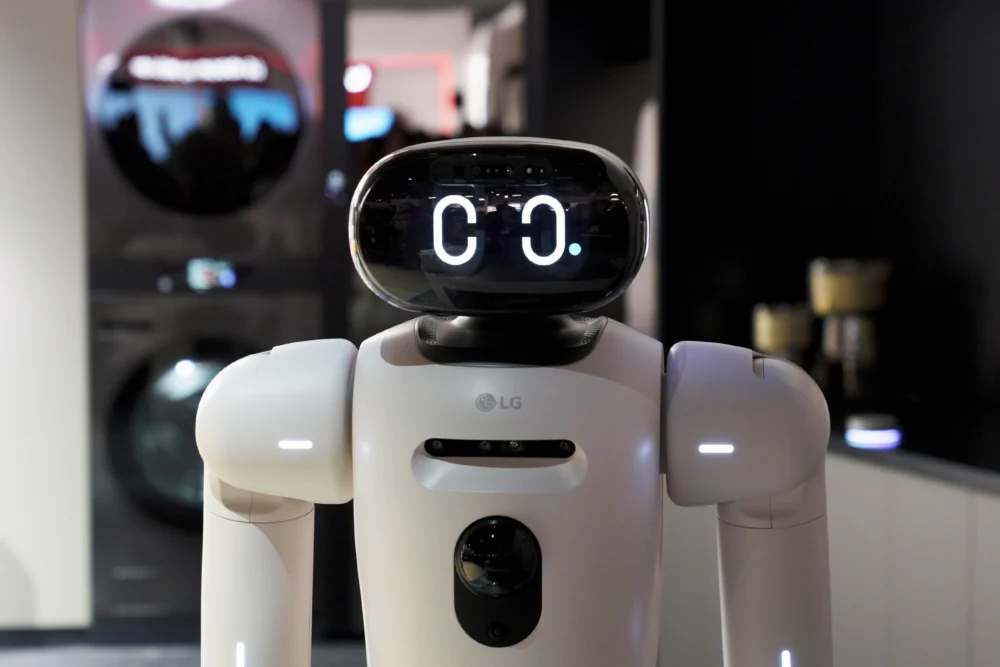
At the forefront of technological innovation showcased at the recent Consumer Electronics Show (CES), a parade of sophisticated humanoid robots promised to usher in a new era of domestic assistance, with a particular focus on tackling the age-old chore of laundry, a task that has historically eluded automation.
The convergence of advanced robotics and artificial intelligence has undeniably propelled machines towards unprecedented levels of dexterity and cognitive ability, prompting a critical re-evaluation of their potential to integrate seamlessly into the fabric of our daily lives. While autonomous vacuum cleaners and robotic lawnmowers have already carved out a niche in home maintenance, the complex, multi-stage process of handling laundry – from collection and sorting to washing, drying, folding, and transporting – has remained a formidable frontier. This year’s CES saw a significant number of companies touting their humanoid robots as capable of mastering this domestic Everest, with compelling demonstrations showcasing machines loading washing machines and meticulously folding garments.
This surge of ambition has led to a crucial inquiry: are these advanced humanoids genuinely equipped to shoulder the burden of household chores, or do they represent an ambitious, yet ultimately unfulfilled, promise? To investigate these claims, a deep dive was undertaken on the exhibition floor, aiming to ascertain the practical efficacy of these robots against their bold assertions. The objective was to determine whether the future of smart home robotics lies in the comprehensive capabilities of humanoids or in the refined efficiency of smaller, single-purpose devices, which also featured prominently at CES. This exploration sought to answer a fundamental question: how close are we to a reality where a robot can autonomously manage the entire laundry cycle, and what are the broader implications of this pursuit for domestic automation?
The quest to automate laundry is not merely about convenience; it represents a significant hurdle in the path towards true robotic integration into the home. The inherent complexity of handling diverse fabrics, recognizing different garment types, and navigating the physical constraints of a typical laundry room presents a significant challenge for even the most advanced AI. Unlike repetitive tasks like vacuuming a flat floor, laundry involves an array of variables: distinguishing between delicate and sturdy materials, identifying stains that require specific treatment, and accurately folding items of various shapes and sizes. The success of any humanoid robot in this domain would signify a monumental leap in its ability to understand and interact with the unstructured and dynamic environment of a human household.
Several key players emerged at CES with compelling visions for household robotics. LG’s CLOiD, for instance, was presented as a versatile domestic assistant capable of a range of chores, including food preparation and the operation of washing machines. Its purported ability to handle the intricacies of laundry, from loading to potentially even folding, positions it as a significant contender in this emerging market. Similarly, SwitchBot’s Onero H1 showcased its potential as a home helper designed to tackle everyday tasks, with laundry being a central focus of its demonstrations. Beyond these, a constellation of other companies, including Boston Dynamics, WIRobotics, and Zeroth, unveiled their own impressive humanoid robots, each with a stated ambition to contribute to domestic well-being.
The underlying technological advancements driving these developments are substantial. Innovations in machine learning, computer vision, and sophisticated manipulation have endowed robots with a newfound capacity for perception and interaction. These robots are equipped with advanced sensors that allow them to "see" and interpret their surroundings, while AI algorithms enable them to learn, adapt, and make decisions in real-time. The development of more dexterous robotic hands and arms, capable of grasping and manipulating delicate objects without damage, is crucial for tasks like folding clothes. Furthermore, the integration of natural language processing allows for more intuitive human-robot communication, a vital component for user adoption and seamless integration into the home.
However, the transition from impressive demonstrations on a controlled show floor to reliable, everyday performance in a real home environment is a significant leap. The chaotic nature of a typical household, with its unpredictable obstacles, varied lighting conditions, and the need to handle a wide array of objects and materials, presents a far greater challenge than a curated exhibition. The ability of a robot to accurately identify a sock versus a towel, to differentiate between a light-colored shirt and a dark one for sorting, and to then execute a perfect fold on each, requires a level of nuanced perception and fine motor control that has historically been elusive.
The insights gleaned from conversations with industry leaders further illuminate the landscape. The president of Roborock, a recognized leader in robotic vacuum technology, offered valuable perspectives on the practical challenges and market readiness for domestic robots. Their experience in developing and deploying autonomous cleaning devices provides a grounded understanding of consumer expectations and the technical hurdles involved in achieving widespread adoption. The CEO of Zeroth, a burgeoning startup in the humanoid robotics space, shared the vision and ambitious roadmap of a new entrant, highlighting the potential for disruptive innovation and the unique challenges faced by emerging companies in this capital-intensive field. These expert viewpoints are instrumental in dissecting whether the current trend towards humanoid robots for household chores is an inevitable evolution or a classic example of "vaporware" – a product that is announced with much fanfare but never actually materializes.
The critical question for consumers and industry analysts alike revolves around the tangible benefits and the return on investment. While the idea of a robot that can handle laundry is undoubtedly appealing, the cost of such advanced technology, coupled with its reliability and effectiveness in real-world scenarios, will ultimately determine its market viability. The current generation of single-purpose robots, such as robotic vacuums and mops, have succeeded because they offer a clear, demonstrable improvement in efficiency and convenience at a relatively accessible price point. Humanoid robots, with their broader capabilities, face a higher bar for justification.
The implications of successful laundry-handling robots extend beyond mere domestic convenience. It could represent a significant step towards enabling greater independence for the elderly and individuals with disabilities, freeing them from physically demanding tasks. Furthermore, it could redefine the concept of leisure time, allowing individuals to reallocate their energy towards more fulfilling pursuits. The economic impact could also be substantial, potentially creating new industries and job opportunities in robot manufacturing, maintenance, and AI development, while simultaneously transforming the nature of domestic work.
However, the path forward is not without its challenges. Ethical considerations surrounding data privacy, the potential for job displacement in the domestic service sector, and the societal impact of increased automation will need to be carefully addressed. The development of robust safety protocols to ensure that these robots can operate harmoniously and without risk in human environments is paramount. Moreover, the issue of affordability will be a key determinant of widespread adoption. For humanoid robots to become a staple in every home, their cost must eventually align with the value they provide, making them accessible to a broad spectrum of the population.
The current landscape at CES suggests a bifurcated future for home robotics. On one hand, the allure of fully autonomous humanoid assistants capable of a wide range of complex tasks, including laundry, remains a powerful aspiration. The technological progress demonstrated by companies like LG, SwitchBot, and others is undeniable and points towards a future where such capabilities may indeed become a reality. On the other hand, the proven success and ongoing refinement of specialized, single-purpose robots indicate a parallel and perhaps more immediate trajectory for home automation. These devices, while less ambitious in scope, offer tangible benefits and are steadily becoming more integrated into our homes.
Ultimately, the success of humanoid robots in tackling the laundry challenge, and indeed other complex household chores, will depend on their ability to move beyond impressive demonstrations and deliver consistent, reliable, and cost-effective performance in the messy, unpredictable reality of everyday life. The journey from concept to widespread adoption is a long and intricate one, fraught with technological, economic, and societal considerations. The progress observed at CES offers a tantalizing glimpse into this future, but the true test will be in the hands, or rather the manipulators, of these machines as they endeavor to conquer the domestic realm, one load of laundry at a time. The question remains: how much are we truly willing to entrust to our robotic counterparts, and what will be the ultimate cost of a truly automated home?




 Ridwan Kamil
 Safa Marwah
 Lisa Mariana
 Ayu Aulia