
 Aura Kasih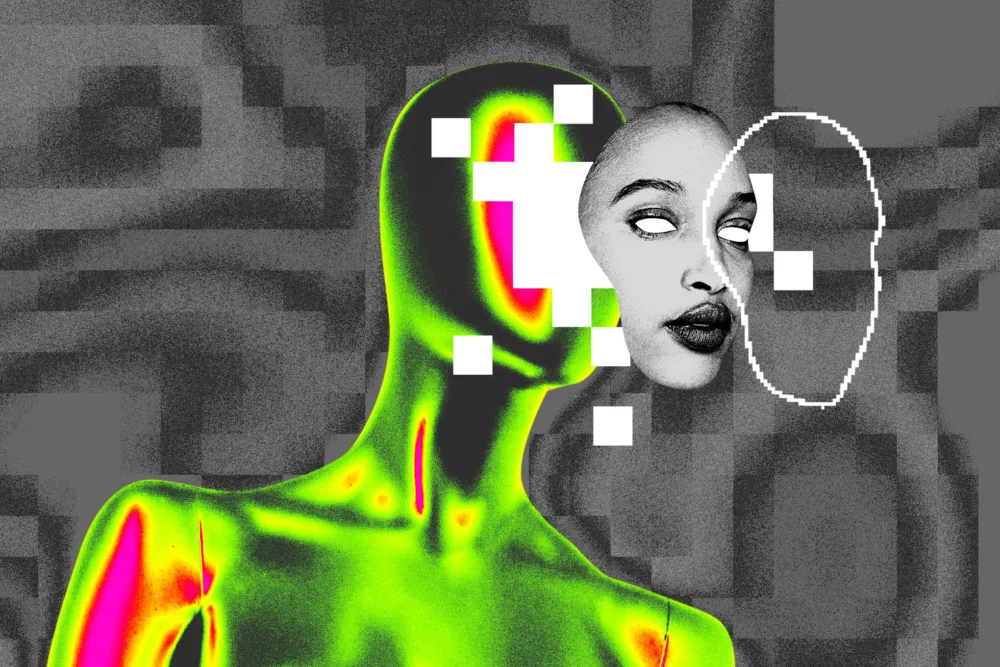
In a stark pronouncement that reverberates through the digital landscape, the head of Instagram has articulated a fundamental shift in our perception of reality, warning that the visual evidence presented online can no longer be taken at face value. This seismic change, driven by the exponential advancement of artificial intelligence, necessitates a profound reevaluation of how we consume and trust digital content, compelling platforms and users alike to adapt to an era where the line between the authentic and the artificial has become perilously blurred.
The digital age, once heralded as a democratizing force for information and personal expression, now stands at a precipice. For decades, the photograph and the video served as the bedrock of objective documentation, providing a seemingly irrefutable record of events and experiences. However, as Adam Mosseri, the leader of Instagram, articulates in a comprehensive internal reflection, this era of visual certainty is rapidly drawing to a close. The proliferation of sophisticated AI tools has rendered the creation of hyper-realistic synthetic imagery not just possible, but remarkably accessible and, crucially, indistinguishable from genuine captures. This technological leap necessitates a paradigm shift in human perception, moving from an innate assumption of authenticity to a default posture of critical skepticism.
Mosseri’s assessment, shared through a detailed visual presentation, underscores a broader industry concern that has been brewing for some time. The notion that a digital image might be manipulated or entirely fabricated is no longer a fringe conspiracy theory but a growing statistical probability. As the capabilities of AI image and video generation tools continue to advance at an unprecedented pace, the very definition of what constitutes a "real" photograph is being fundamentally challenged. This is not merely an aesthetic evolution; it is a profound epistemological crisis that impacts everything from personal communication to the dissemination of news and the very fabric of societal trust.
The implications of this development are far-reaching and multifaceted. At its core, the challenge lies in the inherent human inclination to trust our senses, particularly our sight. Mosseri highlights this biological predisposition, noting that adapting to a world where our eyes can be so readily deceived will be an uncomfortable and prolonged process. The shift from assuming veracity to employing skepticism will demand a conscious effort to interrogate the source of information, the motivations behind its dissemination, and the inherent credibility of the individual or entity sharing it. This necessitates a more nuanced understanding of digital provenance and the development of new cognitive frameworks for evaluating online content.
For platforms like Instagram, the imperative is clear: they must proactively address the escalating challenge of synthetic content. Mosseri outlines a multi-pronged strategy, emphasizing the need to empower users with robust creative tools while simultaneously developing mechanisms for transparency and verification. This includes the critical task of labeling AI-generated content, a crucial step in informing users about the nature of the media they encounter. Furthermore, the development of systems to verify authentic content, alongside the implementation of robust credibility signals that illuminate the identity and intent of posters, will be paramount. The ongoing refinement of ranking algorithms to prioritize originality and genuine expression will also play a vital role in shaping a more trustworthy digital ecosystem.
The discourse surrounding AI-generated content, often characterized by frustration with "AI slop," overlooks the burgeoning landscape of genuinely innovative AI-driven creations. While the aesthetic of early AI-generated imagery may have been distinguishable by its over-polished nature, Mosseri acknowledges that this will inevitably change. As AI becomes adept at replicating even the most subtle imperfections, the visual cues that once served as indicators of authenticity will fade. This raises the specter of a future where differentiating between human-created and AI-generated content becomes a formidable, if not impossible, task based solely on visual analysis.
In this evolving scenario, the focus must inevitably shift from the "what" to the "who." As AI tools become capable of generating any aesthetic, including those that mimic raw, unproduced reality, the provenance of the content will become the ultimate arbiter of truth. Mosseri envisions a future where cryptographic signing of images at the point of capture, implemented by camera manufacturers, will create an immutable chain of custody. This technological solution, akin to a digital fingerprint, would provide a more reliable method for verifying the authenticity of media than relying on post-production watermarks or subjective tags.
This perspective is not an isolated one within the tech industry. Leaders from other major technology firms have voiced similar concerns. Executives from Samsung, in the wake of controversies surrounding AI-enhanced moon photography on their devices, have openly questioned the concept of an "authentic" photograph. Similarly, Apple’s senior vice president of software engineering has expressed unease regarding the pervasive impact of AI-driven image editing capabilities. These pronouncements collectively signal a growing industry-wide recognition of the profound implications of AI on visual media and the urgent need for proactive solutions.
The shift in how we consume content on platforms like Instagram is already underway. Mosseri points out that the traditional, curated feed of highly polished images, once the hallmark of the platform, has largely given way to more intimate and less filtered forms of communication. Direct messages, characterized by candid snapshots and unpolished videos, now serve as the primary conduit for personal sharing. This trend towards raw, unfiltered content has begun to permeate public feeds, reflecting a broader cultural appetite for authenticity in an increasingly artificial world.
The camera industry’s current trajectory, focused on enabling users to achieve a "pro photographer" look from years past, may be misaligned with the emerging realities of AI. In a world where flawless imagery can be effortlessly generated, the pursuit of perfection might paradoxically become a marker of artificiality. Instead, the future demand will likely be for content that feels genuinely human, unscripted, and even imperfect. Savvy creators are already embracing this shift, leveraging rawness as a defensive mechanism, a signal of authenticity in an environment where manipulation is commonplace.
The evolution of authenticity itself is a critical theme in Mosseri’s analysis. He posits that as AI-generated content becomes infinitely reproducible, authenticity itself becomes a scarce and highly valuable commodity. This scarcity, in turn, will drive an increased demand for content from creators who can genuinely connect with their audience, whose voices are distinct and inimitable. The question for creators will transform from "Can you create?" to "Can you create something that is uniquely yours?"
This transformation presents a significant challenge for platforms like Instagram, which must adapt with agility. The core risk is failing to keep pace with the rapid evolution of technology and user expectations. The increasing sophistication of deepfakes and AI-generated media means that the very elements that once made creators influential – their ability to be real, to forge genuine connections, and to possess an authentic voice – are now within reach of anyone with the right tools. This democratizes the potential for creation but also amplifies the potential for deception.
Mosseri’s vision for the future of Instagram and similar platforms involves a fundamental reimagining of how trust is established and maintained in the digital realm. Labeling AI-generated content is a necessary but insufficient measure. The emphasis must shift towards providing users with comprehensive contextual information about the accounts sharing content, enabling them to make informed judgments about its credibility. This includes scrutinizing the identity and intent of the individuals or entities behind the accounts.
Ultimately, in a landscape characterized by an overwhelming abundance of information and an accompanying surge of doubt, creators who can consistently signal authenticity, transparency, and genuineness will be the ones who truly stand out. This requires a commitment to building the most advanced creative tools, transparently labeling AI-generated content, verifying the authenticity of genuine media, and providing robust signals of credibility regarding content creators. The journey towards navigating this new era of synthesized realities is ongoing, and the platforms that facilitate our digital interactions must evolve rapidly to meet the profound challenges ahead. The very nature of what we see and believe is being redefined, and the ability to discern truth from artifice will become one of the most critical skills of the 21st century.




 Ridwan Kamil
 Safa Marwah
 Lisa Mariana
 Ayu Aulia