Aura Kasih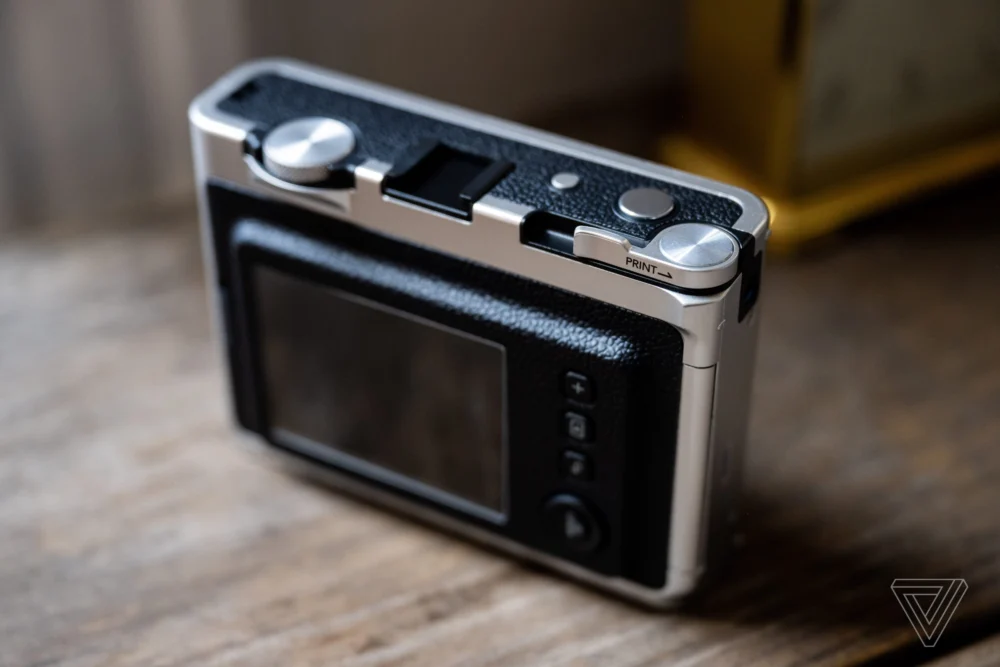
In an era dominated by high-resolution smartphone photography and instantaneous digital sharing, the enduring charm of the instant camera persists, offering a tangible connection to captured moments. These devices provide a unique tactile experience, transforming fleeting instances into physical prints that can be held and cherished almost immediately after capture. While not striving for the clinical perfection of digital imagery, the characteristic soft focus and subtle imperfections inherent in instant film contribute significantly to their appeal, imbuing each photograph with a distinct character and nostalgic resonance. This guide delves into the current landscape of instant cameras, evaluating a spectrum of popular models from leading manufacturers to help discerning consumers identify the ideal device for their needs and budget.
The market for instant cameras is diverse, with models catering to a wide array of user preferences and financial considerations. From user-friendly options designed for beginners and younger photographers to more sophisticated units offering advanced creative controls, the selection process requires careful consideration of key performance metrics. This analysis prioritizes print quality, operational simplicity, and overall value. After rigorous testing and comparative evaluation, Fujifilm’s Instax Mini 12 emerges as the preeminent choice for the majority of users, effectively balancing these critical attributes to deliver an exceptional instant photography experience.
Understanding the Criteria for Excellence
The evaluation process for these instant cameras was comprehensive, spanning several weeks or even months for each model to simulate long-term ownership and real-world usage. Testing encompassed a broad range of photographic scenarios, including diverse lighting conditions (both natural and artificial), varied subject matter, and different shooting environments, from urban exploration to casual social gatherings. Emphasis was placed on assessing the cameras’ performance in capturing accurate colors, managing exposure in challenging lighting, and producing prints with acceptable clarity and detail, given the inherent characteristics of instant film.

Ease of use was a paramount consideration. Instant cameras are designed to be accessible, providing an intuitive photographic experience without requiring extensive technical knowledge. This includes the simplicity of setup, the clarity of controls, and the overall user-friendliness of the shooting process. For models featuring digital components or companion applications, the integration and functionality of these elements were thoroughly examined. This involved evaluating the ease of app navigation, the effectiveness of included creative features such as filters and editing tools, and the impact of these digital enhancements on the final printed output.
Cost of operation, specifically the ongoing expense of film, was also a crucial factor. The price of film can significantly influence the long-term affordability of owning an instant camera. Film costs vary by brand and type, ranging from approximately $0.50 to $2.00 per shot. The availability of film was also considered; models utilizing widely distributed film formats, such as Fujifilm’s Instax Mini, generally offer greater convenience. Furthermore, the variety of film styles, including different border designs, sizes, and finishes (like adhesive-backed prints), was noted as a factor contributing to the overall user experience and creative potential.
The Top Instant Camera Selections
Fujifilm Instax Mini 12: The Quintessential Choice
Film Type: Fujifilm Instax Mini Film
Film Size: 2 x 3 inches
Weight: 306 grams
Power Source: AA Batteries
Companion App: None
Key Features: Built-in selfie mirror, automatic film counter.

For individuals seeking a straightforward and reliable instant camera experience without unnecessary complexities, Fujifilm’s Instax Mini 12 stands out as the optimal selection. Building upon the legacy of its predecessor, the Instax Mini 11, this model introduces subtle yet impactful improvements, particularly in its operational design. The setup process is streamlined, requiring a simple twist of the lens to activate the camera, distinguishing between ‘on’ and ‘off’ states. This intuitive operation, coupled with a more slender profile, makes it an ideal entry point for younger photographers or those new to the instant film medium.
The camera’s image quality, while adhering to the characteristic aesthetic of instant film, is commendably consistent. It produces prints that are generally well-exposed and render colors in a manner that is reasonably faithful to the original scene, especially in good lighting conditions. The integrated flash, while not disable-able, performs adequately in most scenarios, though it can occasionally lead to overexposure in very bright environments. The updated lens structure facilitates easier close-up photography through a twist-action mechanism, a welcome enhancement over button-operated modes. This feature, along with the ‘Parallax Correction’ to improve framing accuracy in close-up shots, contributes to a more refined shooting experience. Despite minor challenges in achieving perfect composition with the close-up mode, practice generally leads to more aligned prints.
The inclusion of a larger viewfinder enhances the shooting experience, and the prominent film counter is a practical addition, preventing the user from being caught unaware of their remaining shots, a common pitfall with instant cameras where each print represents a tangible cost. While the Instax Mini 12 eschews digital connectivity and advanced features like app integration or extensive filter options, its strength lies in its pure, unadulterated analog charm. It excels at delivering a traditional instant photography experience, making it an excellent choice for those who appreciate the simplicity and tactile nature of physical prints.

Fujifilm Instax Mini Evo: The Premium Creative Hub
Film Type: Fujifilm Instax Mini Film
Film Size: 2 x 3 inches
Weight: 285 grams
Power Source: USB-C (newer models)
Companion App: Yes
Key Features: LCD screen, smartphone printing, retro design with physical controls.
For users demanding greater creative flexibility and enhanced control over their instant photography, the Fujifilm Instax Mini Evo presents a compelling proposition. This hybrid camera distinguishes itself with a sophisticated, retro-inspired design that echoes the aesthetics of Fujifilm’s premium digital cameras, featuring tactile dials and buttons that are as visually appealing as they are functional. This blend of classic styling and modern technology makes it a standout device in the instant camera market.
The significant advantage of the Instax Mini Evo lies in its integrated three-inch LCD screen. This digital interface allows for immediate preview and selection of images before printing, significantly reducing film waste and encouraging experimentation. The ability to review and curate shots prior to printing provides a level of control that is invaluable for achieving desired results, particularly in varied lighting conditions where the camera’s performance can be optimized. The accompanying smartphone app further expands its capabilities, enabling seamless printing of images from a mobile device and offering a range of editing tools, filters, and effects that allow for personalized creative expression.

Unlike purely analog models, the Mini Evo offers the ability to digitally adjust exposure and apply various lens and film effects, ranging from monochrome to soft focus and double exposure. These features provide a rich palette for photographers seeking to imbue their instant prints with unique artistic qualities. The convenience of USB-C charging, standard on newer iterations, further enhances its user-friendliness. While its extensive menu system might require a brief learning curve, the overall functionality and creative potential offered by the Instax Mini Evo justify its premium price point, making it an exceptional choice for photography enthusiasts.
Kodak Mini Shot 3 Retro: The Social Event Specialist
Film Type: Kodak Instant Print 3 x 3-inch Cartridge
Film Size: 3 x 3-inch Square Prints
Weight: 467 grams
Power Source: Micro USB
Companion App: Yes
Key Features: LCD screen, smartphone printing, 3×3 inch square prints.
The Kodak Mini Shot 3 Retro positions itself as an ideal companion for social gatherings, offering a blend of instant printing and digital connectivity with a focus on creative fun. Its companion app is particularly adept at enhancing photos with a wide array of frames, stickers, and filters, making it a compelling option for scrapbooking and personalized photo projects. The inclusion of a "beauty feature" for skin retouching and Snapchat-style augmented reality filters adds an element of playful interactivity, transforming the camera into a portable photo booth for parties and events.

The camera features a compact LCD screen that enables users to select which photos to print, thereby minimizing film wastage. It also supports Bluetooth connectivity, allowing for easy transfer and printing of images from a smartphone via the Kodak Photo Printer app. A notable advantage is the affordability and accessibility of its film; Kodak’s 3×3 inch prints are generally less expensive per shot than those from Fujifilm or Polaroid, encouraging more liberal use and creative exploration.
However, the Kodak Mini Shot 3 Retro does present certain trade-offs. The image quality, while acceptable, does not consistently match the clarity and sharpness achieved by its Fujifilm counterparts, and prints can occasionally exhibit an oversaturated pinkish hue. The camera lacks internal storage, meaning prints are produced immediately after capture, without the option to review and curate them on the device itself. Furthermore, its larger size and weight, combined with a less sophisticated design compared to the Instax Mini Evo, might detract from its appeal for users prioritizing portability and aesthetic refinement. Despite these limitations, its affordability, fun app features, and lower film costs make it a strong contender for those seeking an accessible and entertaining instant photography solution for social occasions.
Polaroid Flip: The Authentic Retro Revival
Film Type: Polaroid i-Type Color Film
Film Size: 4.2 x 3.5-inch Prints
Weight: 648 grams
Power Source: USB-C
Companion App: Yes
Key Features: Flip-up lid, scene analysis feature, iconic square prints.

For the purist seeking the quintessential Polaroid experience, the Polaroid Flip stands as a testament to the brand’s heritage, meticulously recreating the aesthetic and tactile feel of vintage instant cameras. Its design, characterized by a prominent flip-up lid and the distinctive square i-Type film prints with their iconic white border, evokes a strong sense of nostalgia. This retro charm is complemented by modern conveniences such as USB-C charging and a user-friendly companion app, which enhance both functionality and creative control.
The camera’s image quality is notably superior to many other Polaroid models, particularly the previous generation. The integration of sonar autofocus and a four-lens hyperfocal system contributes to sharper, more focused images, while the advanced flash system, capable of being adjusted via the camera or app, minimizes overexposure issues that plagued earlier Polaroid iterations. The "Scene Analysis" feature provides helpful real-time feedback on exposure and framing, although its accuracy in preventing overexposure can be inconsistent.
However, the Polaroid Flip’s commitment to authenticity comes with practical considerations. Its considerable weight and size impact its portability, making it less convenient for casual carrying. The development process for prints, which can take up to 15 minutes and requires protection from light, also presents a logistical challenge in fast-paced social settings. Furthermore, the film itself is among the more expensive options, and the camera’s low-light performance, while improved, still lags behind competitors. Despite these drawbacks, for those who prioritize the authentic Polaroid aesthetic and the unique character of its prints, the Polaroid Flip offers an unparalleled retro experience.

Polaroid Go (2nd Gen): The Pocket-Sized Instant Companion
Film Type: Polaroid i-Type Color Film
Film Size: 2.6 x 2.1-inch Prints
Weight: 239 grams
Power Source: USB-C
Companion App: No
Key Features: Ultra-compact design, self-timer, selfie mirror.
The second-generation Polaroid Go distinguishes itself with its remarkably compact form factor, making it the most portable instant camera available. Its diminutive size easily fits into the palm of the hand, and its lightweight construction allows for comfortable one-handed operation, a significant advantage for users who may find larger cameras cumbersome. The camera produces the smallest prints among the tested models, offering a unique aesthetic that can be appealing for those seeking a more minimalist output.
Priced more affordably than other Polaroid offerings, the Go is also more economical in terms of film costs, with its i-Type film being only slightly more expensive per shot than Instax Mini film. The second generation benefits from USB-C charging, a welcome upgrade that enhances convenience and eliminates the need for frequent battery replacements. While Polaroid claims improved image clarity over its predecessor, the differences are subtle, with the newer model tending towards slightly cooler tones compared to the warmer output of the original.

The Polaroid Go is a straightforward point-and-shoot camera, lacking the advanced features and app integration found in hybrid models. However, its simplicity contributes to its ease of use, making it an accessible option for a wide range of users. Features like the self-timer and an improved selfie mirror add practical utility. While its prints may not possess the same level of detail or vibrancy as those from larger-format cameras, they retain the characteristic Polaroid charm, offering a vintage, dreamy quality. The Polaroid Go is an excellent choice for travelers, children, or anyone prioritizing portability and a simple, enjoyable instant photography experience at an approachable price point.
Emerging Contenders and Notable Mentions
Fujifilm Instax Mini 41: The Mature Aesthetic
The Instax Mini 41 represents a design-forward evolution of Fujifilm’s popular analog instant cameras. Retaining the core functionality and excellent image quality of the Instax Mini 12, it adopts a sleeker, more mature aesthetic with a black-and-silver finish and refined ergonomic features. While offering similar performance in terms of print quality and ease of use, its elevated design and slightly higher price point make it a more appealing option for users who prioritize style and a sophisticated presentation. The inclusion of parallax correction for close-up shots and a disable-able flash would further enhance its appeal, but as it stands, it offers a premium analog experience for those willing to invest in its refined design.

Fujifilm Instax Mini 99: Advanced Analog Control
For enthusiasts seeking a more sophisticated analog instant photography experience, the Instax Mini 99 presents a compelling array of advanced features. Its higher price point is justified by an expanded set of creative controls, including multiple brightness settings, adjustable focus zones, and a range of color effects that allow for nuanced artistic expression. The inclusion of a tripod socket and a dedicated Sports Mode for capturing fast-moving subjects further enhances its versatility. While it does not offer hybrid digital capabilities, the Mini 99 delivers superior image quality and greater creative freedom for photographers who appreciate the intricacies of analog control.
Kodak Smile Plus: Compact and Colorful Connectivity

The Kodak Smile Plus offers a more compact and budget-friendly alternative within Kodak’s hybrid instant camera lineup. Its vibrant color options and child-friendly design make it an attractive choice for younger users, while the physical filter-changing lens and sticker-backed prints add an element of playful interactivity. However, the absence of a built-in display limits the ability to pre-select images, potentially leading to wasted film. Image quality, while improved over some basic models, still falls short of competitors in terms of clarity, particularly in challenging lighting conditions. Despite these limitations, its affordability and integrated app features make it a viable option for those seeking a casual and colorful instant photography experience.
Leica Sofort 2: Refined Design, Premium Price
Leica’s Sofort 2 enters the hybrid instant camera market with a design philosophy that mirrors the elegance and sophistication of its premium digital cameras. Functionally, it bears a strong resemblance to the Fujifilm Instax Mini Evo, offering similar capabilities in terms of smartphone photo printing, creative effects, and lens options. The Sofort 2 excels in its user interface, providing a more intuitive navigation experience and additional practicalities like a lens cap and an extended warranty. However, its significantly higher price point, more than double that of the Instax Mini Evo, makes it a niche product. While the Leica branding and refined user experience hold appeal for dedicated enthusiasts, the marginal differences in performance may not justify the substantial cost premium for the average consumer.

Fujifilm Instax Square SQ1/SQ40: Wider Format Appeal
The Fujifilm Instax Square SQ1 and its successor, the SQ40, cater to users who prefer larger, square-format prints. These cameras deliver good image quality and user-friendly operation, similar to the Instax Mini series, but at a higher price point. The SQ1 offers a clean, modern design, while the SQ40 introduces a more pronounced vintage aesthetic. While both are solid options for those who value the larger print size, their higher cost relative to the Instax Mini 12, and the more feature-rich Instax Mini Evo, makes them less compelling value propositions unless specific stylistic preferences or print size requirements are paramount.
Fujifilm Instax Wide Evo Hybrid: Expanding the Field of View

The Instax Wide Evo Hybrid expands the Instax ecosystem with a wider field of view, ideal for capturing expansive scenes or larger group shots. Functionally similar to the Instax Mini Evo, it offers hybrid capabilities, allowing smartphone photo printing and a range of creative effects. Its 15.67mm lens provides the widest focal length in the Instax lineup, offering greater compositional flexibility. However, its significantly higher price point and a slight shutter lag, which can impact the capture of fast-moving subjects, position it as a more specialized option. For users prioritizing wide-format instant photography and advanced creative controls, it presents a fun, albeit expensive, choice.
Fujifilm Instax Wide 400: Analog Wide-Format Simplicity
For those seeking a more traditional analog experience with wide-format prints, the Instax Wide 400 offers a straightforward solution. It produces image quality comparable to the Wide Evo Hybrid but simplifies the user experience by omitting digital features and an LCD screen in favor of a more direct, analog operation. While its stripped-down feature set limits customization, its ease of use and more accessible price point make it a practical choice for users who prefer a less complex approach to wide-format instant photography. Its larger size and weight are considerations for portability.

Fujifilm Instax Mini LiPlay Plus: The Dedicated Selfie Camera
The Instax Mini LiPlay Plus offers a unique proposition for selfie enthusiasts, featuring a dedicated rear-facing wide-angle lens and an LCD screen designed for precise self-portraits. While its price point is comparable to the Instax Mini Evo, its specialized selfie camera and accompanying features, such as layered photo modes and audio recording via QR codes, provide a distinct user experience. Although some of its creative modes may lean towards gimmickry, the LiPlay Plus delivers excellent selfie quality and offers a fun, interactive approach to instant photography for those who prioritize self-portraits.
Future Trends in Instant Photography
The instant camera market continues to evolve, with manufacturers increasingly blending analog charm with digital convenience. The trend towards hybrid cameras, offering smartphone connectivity, integrated LCD screens, and advanced editing features, is likely to persist. Innovations in film technology, such as improved resolution, faster development times, and more creative print options, will further enhance the user experience. As consumer demand for tangible memories grows alongside digital saturation, the instant camera is poised to remain a relevant and cherished photographic medium, offering a unique bridge between the ephemeral nature of digital content and the enduring appeal of physical keepsakes.



 Safa Marwah
 Lisa Mariana
 Ayu Aulia
 Ridwan Kamil