
 Ridwan Kamil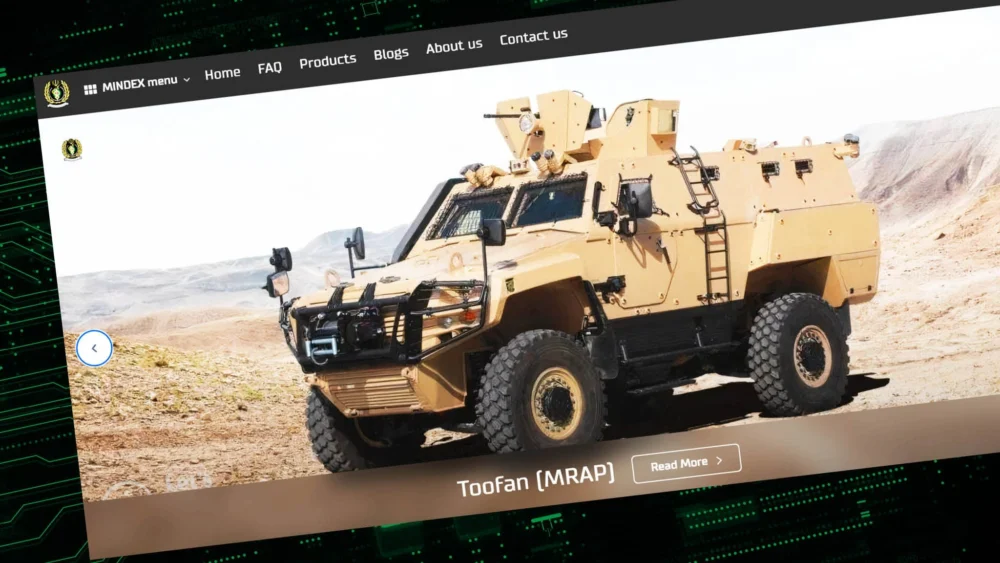
Iran has reportedly signaled its willingness to engage in transactions for sophisticated weaponry utilizing cryptocurrency, a move that could significantly alter established norms of international arms procurement and circumventing existing financial sanctions. This potential shift in transactional methodology represents a complex geopolitical and economic development, offering Tehran an avenue to monetize its defense capabilities while simultaneously challenging the efficacy of global financial restrictions.
The proposition, if actualized, could have profound implications for both Iran’s defense sector and the global financial landscape. For a nation under extensive economic sanctions, particularly those targeting its military and financial institutions, the ability to conduct arms sales using an alternative, less traceable medium like cryptocurrency presents a compelling proposition. This bypasses the traditional banking system, which is often a critical choke point for sanctioned entities. The appeal for potential buyers would lie in the relative anonymity and speed of cryptocurrency transactions, potentially attracting nations or non-state actors seeking to acquire advanced military technology without triggering international scrutiny or facing the logistical hurdles of conventional payment methods.
Iran’s reported interest in leveraging cryptocurrency for arms deals is not an isolated event but rather a manifestation of a broader trend. In recent years, a growing number of actors, both state and non-state, have explored the use of digital assets for a variety of purposes, including evading sanctions, funding illicit activities, and facilitating cross-border transactions in challenging environments. The decentralized nature of many cryptocurrencies, coupled with their inherent pseudonymity, makes them attractive tools for those seeking to operate outside the purview of traditional financial regulations.
Geopolitical Underpinnings and Sanctions Evasion
The context of Iran’s current geopolitical standing is crucial to understanding this development. Facing stringent international sanctions, primarily imposed by the United States and its allies, Iran’s economy has been significantly constrained. These sanctions aim to curtail Iran’s ability to fund its nuclear program, ballistic missile development, and regional military activities. By offering advanced weapons systems for cryptocurrency, Iran could be seeking to generate much-needed foreign currency reserves, which are vital for its domestic economy and its ability to project influence abroad.
The proposed use of cryptocurrency as a payment mechanism for arms sales is a direct challenge to the existing international sanctions regime. Traditional financial transactions are heavily regulated and monitored, making it difficult for sanctioned entities to move money or conduct significant business. Cryptocurrencies, while not entirely anonymous, offer a layer of obfuscation that can be exploited to circumvent these controls. This could allow Iran to sell advanced weaponry – potentially including drones, missiles, or other sophisticated military hardware – to a wider range of buyers without immediate detection or intervention by international financial authorities.
The implications for regional security are also significant. If Iran can successfully market its advanced weapons systems through cryptocurrency transactions, it could empower its allies and proxies in various conflict zones, potentially exacerbating existing tensions and prolonging hostilities. The proliferation of advanced Iranian military technology, facilitated by this novel payment method, could alter the military balance in regions such as the Middle East, posing new challenges for the security interests of Western nations and their regional partners.
The Technological and Financial Landscape
The technical feasibility of such transactions relies on the evolving infrastructure of the cryptocurrency market. While Iran has shown interest in blockchain technology and digital assets, the practical implementation of large-scale arms sales using cryptocurrency would require a sophisticated understanding of digital asset management, secure wallet infrastructure, and potentially the use of privacy-enhancing technologies to further mask transaction details.
Several cryptocurrencies could potentially be employed for such transactions, each with its own characteristics regarding privacy, transaction speed, and volatility. Bitcoin, as the most established cryptocurrency, is a likely candidate, but others offering enhanced privacy features, such as Monero or Zcash, might also be considered. The choice of cryptocurrency would likely depend on factors such as ease of exchange for fiat currency, transaction fees, and the level of anonymity required by both the seller and the buyer.
However, the volatility of the cryptocurrency market presents a significant risk for both parties. Fluctuations in the value of digital assets could lead to substantial gains or losses, introducing an element of financial uncertainty into what are typically high-value, strategically important transactions. Furthermore, the regulatory landscape for cryptocurrencies is still developing, and governments worldwide are increasingly scrutinizing their use, particularly in relation to illicit finance and sanctions evasion.
Expert Analysis and Potential Challenges
Security analysts and economists have expressed concerns about the potential ramifications of Iran’s reported move. Dr. Anya Sharma, a geopolitical risk analyst specializing in emerging markets, commented, "The use of cryptocurrency for arms sales is a concerning development that highlights the limitations of current international sanctions frameworks. It suggests a growing sophistication in how sanctioned states are seeking to leverage new technologies to achieve their strategic objectives."
She further elaborated, "The challenge lies in the inherent design of many cryptocurrencies, which prioritize decentralization and user autonomy, sometimes at the expense of transparency. While blockchain technology is inherently traceable, the pseudonymity of wallet addresses can make it difficult to definitively link transactions to specific entities without further intelligence. This opens up avenues for illicit actors to operate with a degree of impunity."
Another significant challenge lies in the practicalities of arms sales. Beyond the payment mechanism, the physical transfer of advanced weaponry involves complex logistics, transportation, and potential intermediary involvement. Circumventing sanctions on financial transactions is only one piece of the puzzle; ensuring the secure and covert delivery of military hardware presents its own set of formidable obstacles.
Furthermore, while cryptocurrency offers a degree of anonymity, it is not foolproof. Law enforcement agencies and financial intelligence units are continuously developing sophisticated tools and techniques to track and analyze blockchain transactions. Governments that are actively pursuing Iran through sanctions will likely dedicate significant resources to monitoring cryptocurrency exchanges and wallet activities for any signs of illicit arms trade.
Broader Implications for the Global Arms Market
The potential for cryptocurrency to facilitate arms sales could have a broader impact on the global arms market. It could lower the barrier to entry for certain buyers, enabling them to acquire advanced military capabilities that were previously out of reach due to financial restrictions or international scrutiny. This could lead to a more fragmented and less predictable arms trade, with a greater number of actors able to procure sophisticated weaponry.
This development also raises questions about the future of international arms control. Existing treaties and agreements are largely predicated on the assumption of regulated financial transactions and oversight. The emergence of a cryptocurrency-based arms market could necessitate a rethinking of these frameworks to address the new challenges posed by digital assets.
Moreover, the move by Iran could inspire other sanctioned or embattled states to explore similar avenues. The playbook for evading financial restrictions through digital currencies might become more widely adopted, leading to a ripple effect that could destabilize existing security architectures.
Future Outlook and Regulatory Responses
The long-term implications of Iran’s reported interest in cryptocurrency arms sales remain uncertain. Much will depend on the extent to which Iran can successfully implement such transactions, the specific cryptocurrencies used, and the effectiveness of international efforts to track and disrupt these activities.
It is likely that international bodies and national governments will intensify their efforts to regulate the cryptocurrency space, particularly concerning its use in illicit finance and sanctions evasion. This could include stricter know-your-customer (KYC) and anti-money laundering (AML) regulations for cryptocurrency exchanges, increased surveillance of blockchain transactions, and potential international cooperation to share intelligence and coordinate enforcement actions.
The development also underscores the ongoing arms race between technological innovation and regulatory oversight. As new technologies emerge, they often present new opportunities for evasion and illicit activity, prompting regulators to adapt and evolve their approaches. The case of Iran’s reported interest in cryptocurrency arms sales serves as a stark reminder of the dynamic and evolving nature of international security and finance in the digital age. The ability of states to leverage emerging technologies to circumvent established norms and sanctions will continue to be a defining feature of the geopolitical landscape for the foreseeable future. The international community will need to remain vigilant and adaptable to effectively address these complex and interconnected challenges.




 Aura Kasih
 Safa Marwah

 Lisa Mariana