
 Lisa Mariana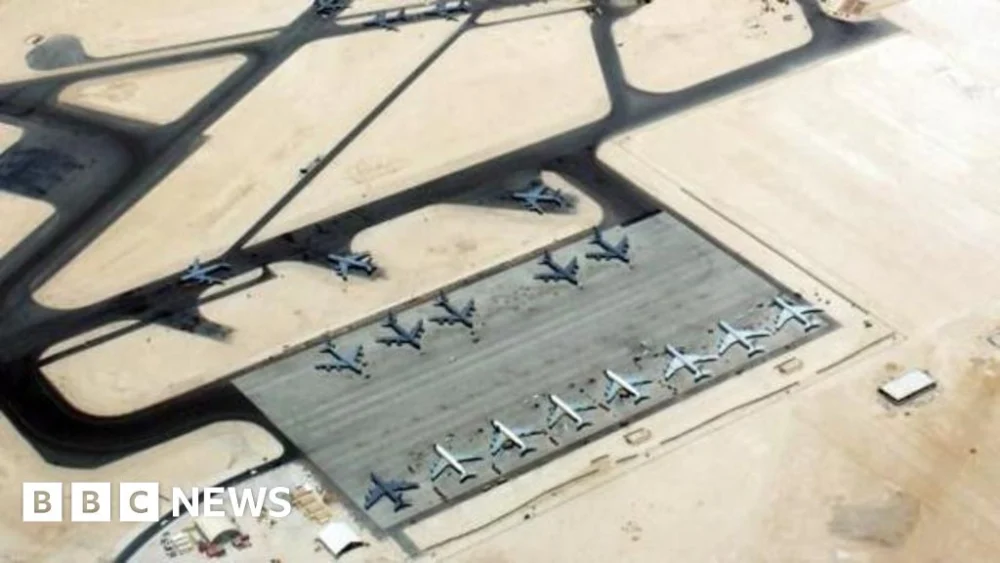
The United States has initiated a calibrated reduction of its military presence at Qatar’s strategically vital Al-Udeid Air Base, a decision characterized by officials as a proactive precautionary measure in response to a discernible rise in regional tensions. This tactical repositioning unfolds against a backdrop of intensified rhetoric and burgeoning instability, primarily stemming from the increasingly fraught relationship between Washington and Tehran, exacerbated by internal unrest within Iran.
The partial drawdown from Al-Udeid, the largest American military installation in the Middle East, signifies a nuanced recalibration of force posture rather than a sweeping withdrawal. While specific figures regarding the number and type of personnel being relocated remain undisclosed, the move suggests a focus on non-essential personnel or support elements, aiming to reduce potential vulnerability without compromising critical operational capabilities. This measured approach differentiates the current action from any larger-scale evacuation, underscoring a deliberate strategy to mitigate risk amidst heightened regional uncertainties. The Qatari government, a key regional partner, has publicly affirmed its support for this step, framing it as a necessary response to the current geopolitical climate and reiterating its commitment to safeguarding national security and critical infrastructure.
The immediate catalyst for this strategic adjustment appears deeply intertwined with the escalating verbal exchanges between the United States and Iran. U.S. President Donald Trump has issued stern warnings regarding potential "very strong action" should Iranian authorities proceed with the execution of anti-government protesters. This direct intervention in Iran’s internal affairs marks a significant rhetorical escalation, reflecting a hardening stance from Washington. Concurrently, Tehran has forcefully articulated its intent to retaliate against any American aggression, with senior Iranian officials publicly reminding the U.S. of Iran’s demonstrated capacity for regional response.
The internal dissent gripping Iran represents a critical dimension of the current regional instability. For months, the Islamic Republic has grappled with widespread anti-government demonstrations, initially sparked by severe economic grievances, including a dramatic currency collapse and soaring living costs. These protests have rapidly evolved beyond economic complaints, morphing into a profound challenge to the clerical establishment that has governed Iran since the 1979 Islamic Revolution. Human rights organizations, notably the US-based Human Rights Activists News Agency (HRANA), have documented a grim toll, reporting over 2,400 protester fatalities, including minors, and the arrest of more than 18,400 individuals amidst a pervasive internet blackout imposed by the authorities. The regime’s violent suppression tactics have drawn international condemnation, further isolating Tehran on the global stage and fueling calls for accountability.
President Trump’s public statements, including admonitions on his Truth Social platform that Iranian authorities would "pay a big price" for the killings and exhortations for citizens to "keep protesting," underscore a policy of overt support for the protest movement. Such rhetoric, interpreted by some as an attempt to destabilize the Iranian government, carries inherent risks of miscalculation and escalation. The President’s claims of overtures from Iranian leaders seeking negotiations, juxtaposed with his suggestion that the U.S. "may have to act before a meeting," paint a picture of a highly volatile diplomatic landscape where direct engagement remains elusive and the threat of pre-emptive action looms.
In response, Iran’s government has vehemently accused the United States of fabricating a "pretext for military intervention," a narrative designed to bolster domestic support and rally international opposition to perceived American aggression. The speaker of the Iranian parliament delivered a stark warning, indicating that any U.S. attack would render both Israeli and U.S. military and shipping assets across the region legitimate targets for retaliation. This explicit threat underscores the potential for a rapid and widespread regional conflagration, extending beyond the immediate U.S.-Iran bilateral dynamic to encompass key American allies.
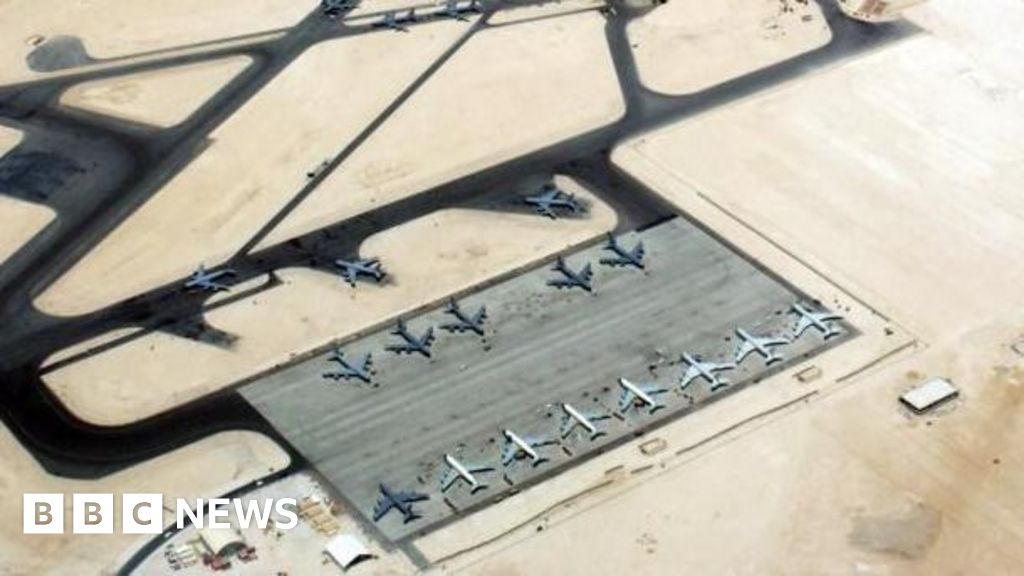
Al-Udeid Air Base occupies an indispensable position within the United States’ broader strategic architecture in the Middle East. Spanning 24 hectares (59 acres) in the desert environs outside Doha, it serves as the forward headquarters for all U.S. air operations across the region, functioning as a critical logistical hub, command-and-control center, and projection platform for American airpower. Housing approximately 10,000 U.S. personnel, alongside a contingent of UK military staff on rotation, the base facilitates a wide array of missions, from counter-terrorism operations and intelligence gathering to maintaining air superiority and providing vital support for regional partners. Its strategic value lies in its geographical proximity to various theaters of operation and its robust infrastructure, enabling sustained air campaigns and rapid response capabilities.
The base’s security profile has been a recurrent point of concern, particularly following a reported incident in June where Iran allegedly launched a missile attack against Al-Udeid. Tehran claimed this action was in retaliation for perceived U.S. strikes against its nuclear sites, an assertion that, regardless of its full veracity, vividly illustrates the potential for direct military confrontation. While some reports from diplomatic sources suggest that the current reduction in personnel is not accompanied by the kind of large-scale, hurried evacuation witnessed in the hours preceding previous Iranian strikes, the memory of such incidents undoubtedly informs the current "precautionary" posture. The U.S. Mission to Saudi Arabia’s advisory to its personnel and citizens to "exercise increased caution and limit non-essential travel to any military installations in the region" further reflects an elevated threat assessment and a proactive measure to safeguard personnel in an unpredictable environment.
The implications of these developments for regional security are profound. The precarious balance of power in the Persian Gulf is further destabilized by the heightened rhetoric and military adjustments. The risk of miscalculation, whether stemming from an accidental engagement or an intentional escalation, has significantly increased. The potential for direct military conflict between the U.S. and Iran carries catastrophic consequences, not only for the immediate belligerents but for the entire global economy, particularly through disruptions to critical shipping lanes and energy markets. Regional proxy conflicts, already a defining feature of the Middle East landscape, could intensify, drawing in a broader array of state and non-state actors.
For U.S. foreign policy, the situation presents a complex dilemma. Washington must navigate the delicate balance between demonstrating resolve and deterring aggression on one hand, and preventing an uncontrollable escalation on the other. The role of regional allies, such as Qatar and Saudi Arabia, becomes even more critical in providing logistical support, intelligence, and diplomatic channels. The current trajectory risks further complicating broader U.S. objectives in the Middle East, potentially diverting resources and attention from other strategic priorities.
Looking ahead, the future outlook remains deeply uncertain. A de-escalation of tensions would likely require a significant shift in diplomatic approaches from both Washington and Tehran, possibly facilitated by international mediation efforts. However, the deep-seated mistrust, coupled with the internal political dynamics in both countries, makes such a breakthrough challenging. The ongoing protests in Iran, and the regime’s response, will continue to be a crucial variable. Should the internal unrest intensify or the regime perceive an existential threat, its external posture could become even more aggressive. Conversely, a prolonged period of internal instability could weaken Tehran’s capacity for external projection.
In conclusion, the partial reduction of U.S. personnel at Al-Udeid Air Base is a tangible manifestation of a rapidly deteriorating security environment in the Middle East. Driven by the confluence of escalating U.S.-Iran tensions and profound internal challenges within Iran, this precautionary measure underscores the high stakes involved. The region stands at a critical juncture, where a delicate interplay of diplomatic maneuvering, military posturing, and internal dynamics will determine whether the current volatility can be contained or if it will cascade into a broader and more destructive conflict. The international community watches closely, aware that the consequences of misjudgment could reverberate far beyond the shores of the Persian Gulf.



 Aura Kasih
 Ridwan Kamil

 Safa Marwah