Lisa Mariana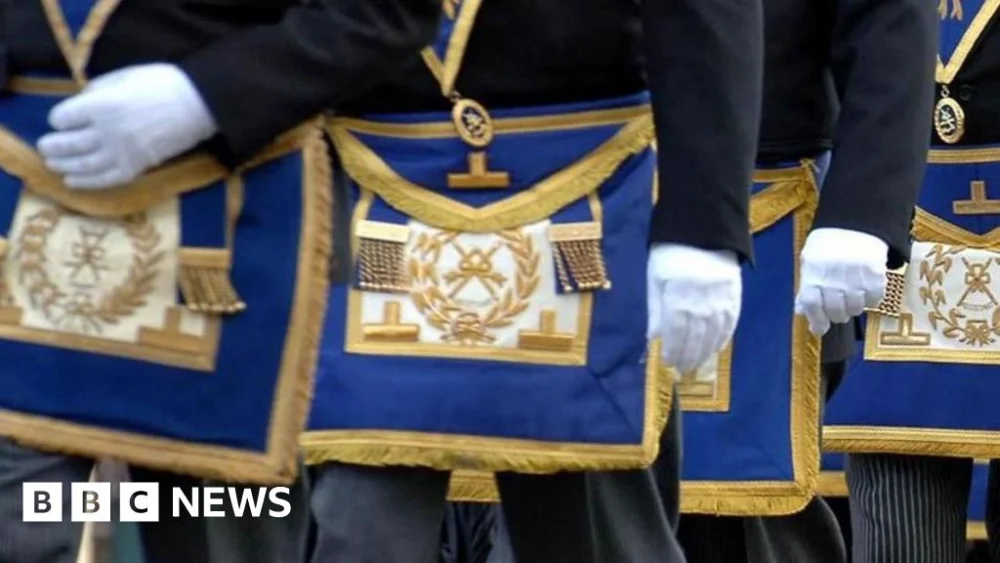
The London Metropolitan Police Service has initiated a significant policy shift requiring its personnel to declare past or present membership in hierarchical associations such as the Freemasons, a move that has already seen over 300 officers and staff come forward and simultaneously triggered a robust legal challenge from prominent Masonic organizations. This directive, implemented last month, aims to bolster public trust and perception of impartiality within the force, but has been met with accusations of infringing upon human rights and privacy, setting the stage for a high-stakes judicial review concerning the balance between organizational transparency and individual liberties within public service.
The policy, formally integrated into the Met’s declarable associations framework in December, mandates the disclosure of involvement with any organization characterized by a hierarchical structure, confidential membership, and a requirement for mutual support and protection among its members. This broad definition specifically encompasses Freemasonry, an ancient fraternal order. The impetus for this new requirement stems from internal assessments, including a survey indicating that a substantial majority of responding officers and staff perceived such affiliations as detrimental to the police’s image of impartiality and public confidence. Sir Mark Rowley, the Metropolitan Police Commissioner, has been a vocal proponent of this increased transparency, viewing it as a critical component of wider reform efforts within the embattled force.
In response to this policy, the United Grand Lodge of England (UGLE), the primary governing body for Freemasonry in England and Wales, alongside the Order of Women Freemasons (OWF) and the Honourable Fraternity of Ancient Freemasons (HFAF), promptly initiated legal proceedings at the High Court. Their legal action seeks an injunction to suspend the policy’s implementation pending a full judicial review of its legality. A recent court order by Mr. Justice Chamberlain acknowledged the immediate applicability of the disclosure requirement but noted that an urgent interim injunction was not deemed necessary at this juncture, particularly given the voluntary declarations already made by a significant number of personnel. The court also indicated that there was no immediate plan by the Met to impose disciplinary action for non-compliance in the short term, and that the force had committed to reviewing its decision in light of further representations from the Masonic bodies. This suggests a period of deliberation and negotiation may precede any definitive legal judgment or enforcement.
The historical context surrounding Freemasonry and its relationship with public institutions, particularly law enforcement, is multifaceted and often shrouded in speculation. Originating from medieval stonemasons’ guilds, Freemasonry evolved into a fraternal organization emphasizing moral and spiritual development, charity, and mutual support. Its secretive rituals, symbolic regalia, and discreet membership have, however, frequently fueled public distrust and theories of undue influence, especially when members hold positions of power within the state. Concerns have periodically surfaced in various jurisdictions regarding the potential for Masonic networks to foster cronyism, obstruct justice, or create an "old boys’ club" that undermines meritocracy and fair process. While no widespread evidence in the UK has conclusively linked Freemasonry to systemic corruption within the police force, the perception persists in some quarters, leading to calls for greater transparency.
The Met’s decision to specifically target these "hierarchical associations" reflects a broader trend towards enhanced accountability in public service. Following a series of high-profile scandals and persistent criticism regarding internal culture and public trust, the Metropolitan Police has been under intense pressure to demonstrate its commitment to ethical conduct and unbiased policing. The policy can be viewed as an attempt to proactively address potential conflicts of interest or the appearance of such conflicts, thereby reinforcing the force’s commitment to serving all communities without prejudice. The argument from the Met’s perspective is that maintaining public confidence requires not only impartiality in practice but also the elimination of any factors that might reasonably be perceived as compromising that impartiality.
However, the legal challenge mounted by the Masonic organizations argues that the Met’s policy constitutes an unwarranted intrusion into the private lives of its officers and staff, potentially breaching their human rights, specifically the right to freedom of association and privacy, as enshrined in the European Convention on Human Rights. Furthermore, they contend that the policy may violate General Data Protection Regulation (GDPR) principles by compelling individuals to disclose sensitive personal information without sufficient justification. The UGLE has also questioned the methodological rigor of the Met’s internal survey, asserting that a low response rate (reportedly less than 5% of officers and staff participated) undermines its credibility as a basis for such a far-reaching policy change. They posit that singling out Freemasonry, which publicly emphasizes adherence to the law and ethical conduct, amounts to unfair discrimination and could stigmatize members for engaging in a lawful, charitable, and non-political pursuit.
The concept of "hierarchical associations" itself introduces a complex definitional challenge. While the policy clearly targets organizations like the Freemasons, its broad wording could theoretically extend to other groups with structured membership and internal support mechanisms, raising questions about consistent application and potential overreach. Legal experts suggest that the court will need to carefully weigh the Met’s legitimate interest in maintaining public trust against the fundamental rights of individuals to associate freely and maintain a degree of privacy in their non-professional lives. The outcome of this legal battle could establish a significant precedent for how public bodies in the UK manage the intersection of private affiliations and professional obligations, particularly concerning transparency requirements.
The implications of this policy extend beyond the immediate legal contest. For the Metropolitan Police, a successful defense of the policy could strengthen its position in demanding greater transparency from its personnel, potentially influencing future recruitment, internal promotion processes, and disciplinary frameworks. Conversely, a ruling against the Met could significantly curtail its ability to impose such disclosure requirements, potentially necessitating a re-evaluation of how it addresses perceived conflicts of interest or issues of public trust. For Freemasonry and similar fraternal organizations, the case represents a critical moment to challenge what they perceive as unwarranted scrutiny and potential reputational damage, affirming their members’ rights to private association without professional penalty.
The future outlook for this dispute involves several stages. The immediate focus will be on the High Court’s decision regarding the full judicial review, which will delve into the substantive legal arguments surrounding human rights, privacy, and administrative law. Should the court uphold the Met’s policy, it might embolden other public sector organizations in the UK to consider similar transparency measures. If the policy is struck down, it could force a re-evaluation of how public trust issues are addressed without impinging on civil liberties. This case highlights a perennial tension in democratic societies: the demand for transparent and accountable governance versus the protection of individual freedoms and the right to private association. The resolution of this specific challenge within the Metropolitan Police will undoubtedly contribute significantly to the ongoing national discourse on these fundamental principles.


 Ridwan Kamil
 Safa Marwah
 Aura Kasih
 Ayu Aulia