Lisa Mariana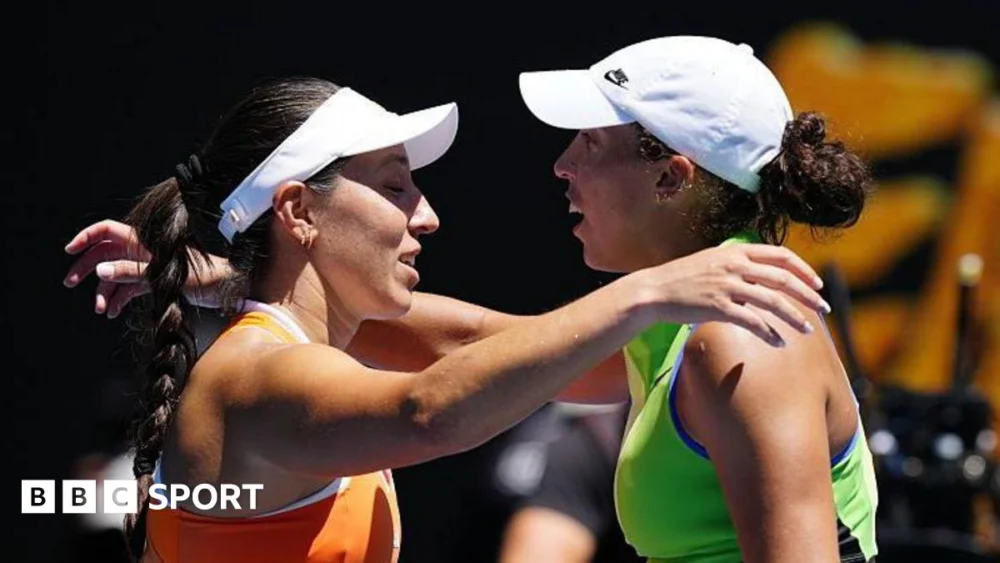
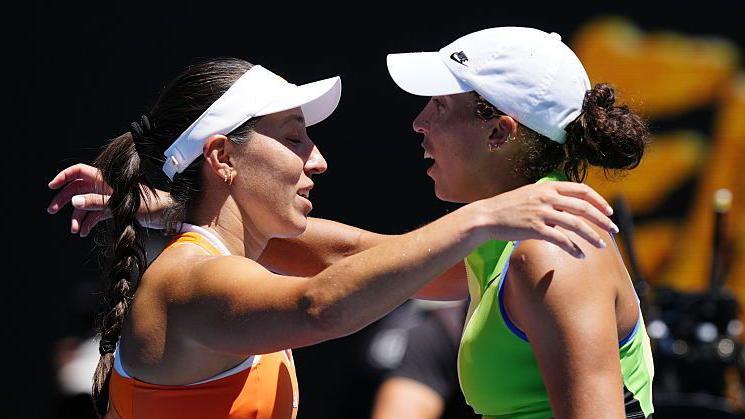
In a compelling fourth-round clash at the 2026 Australian Open, American formidable Jessica Pegula orchestrated a decisive victory over her compatriot and reigning champion, Madison Keys, concluding Keys’ quest for back-to-back titles. Beyond the significant on-court triumph, the encounter also saw Pegula claim a unique culinary wager, adding a distinctive personal touch to an already high-stakes Grand Slam showdown as the tournament progresses into its crucial quarterfinal stage.
The Rod Laver Arena bore witness to a high-octane encounter between two of the United States’ most prominent tennis talents. Sixth-seeded Pegula, known for her consistent groundstrokes and tactical acumen, navigated the challenge posed by ninth-seeded Keys with remarkable efficiency. The match concluded in a brisk 78 minutes, with Pegula securing a 6-3, 6-4 victory that underscored her current formidable form. While Keys, the defending champion, unleashed a powerful arsenal, evidenced by her 26 winners, her aggressive approach also led to 28 unforced errors, ultimately providing Pegula with the openings she needed to dictate play and maintain control throughout the contest. Pegula’s disciplined performance, characterized by fewer unforced errors (14) and strategic shot placement, effectively blunted Keys’ potent offensive game. This win propels Pegula into her ninth career Grand Slam quarter-final, signaling her continued presence at the sport’s elite level.
The narrative surrounding the match extended beyond the baseline, delving into a lighthearted yet competitive personal wager between the two close friends and podcast co-hosts. Pegula’s victory meant Keys would have to partake in a Pegula family Thanksgiving tradition: apple pie served with melted cheddar cheese. This somewhat unconventional pairing, which Pegula herself acknowledged as potentially "weird," was met with initial apprehension from Keys, who had previously expressed her disinclination to sample the unique delicacy. However, post-match, Keys sportingly conceded, stating, "A bet is a bet, so I’ll do it. I hope it’s less gross than I think it’s going to be, but we’ll find out, I guess." This exchange provided a rare glimpse into the camaraderie that exists even amidst fierce professional competition at the highest echelons of sport.
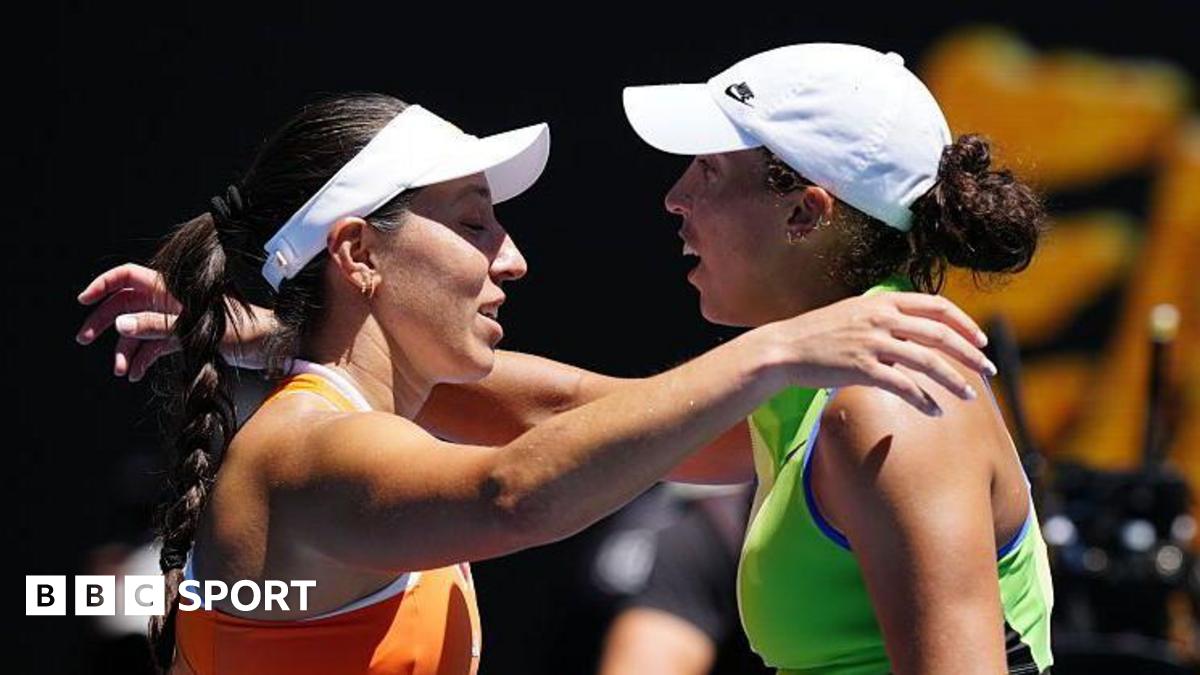
The stakes of the bet were not merely gastronomic. Had Keys prevailed, Pegula, whose family owns the NFL’s Buffalo Bills, would have been compelled to don a Kansas City Chiefs jersey, specifically one adorned with the names of Travis Kelce and Taylor Swift. This particular stipulation injected a humorous, pop-culture relevant layer into the personal wager, highlighting the rivalry between the Bills and Chiefs and tapping into the widespread public fascination with the Kelce-Swift phenomenon. Pegula’s post-match gesture of writing "no Chiefs jersey today" on the courtside camera lens not only celebrated her victory but also humorously underscored her relief at avoiding the rival team’s attire. The immediate post-match sight of the two athletes engaged in amiable conversation and laughter in the locker room further solidified the impression of a deep, respectful friendship that transcends on-court competition.
For Madison Keys, the defeat marked the conclusion of her Australian Open title defense, a journey that began with the immense pressure and expectations associated with being the reigning champion. Keys had triumphed over Aryna Sabalenka in a memorable final the previous year, securing her maiden Grand Slam title. Reflecting on her performance and the demands of defending a major championship, Keys expressed genuine pride. "Coming back and being defending champion, and dealing with all of the extra pressure and nerves – I am really proud of myself for the way I handled it," she articulated in her post-match press conference. Her gracious acceptance of defeat and her focus on the positive aspects of her campaign demonstrate a maturity and resilience characteristic of top-tier athletes. The experience of navigating the defending champion’s role, while challenging, undoubtedly adds to her mental fortitude for future Grand Slam pursuits.
Pegula’s path forward in the tournament will see her face compatriot Amanda Anisimova in the quarter-finals. Anisimova, the fourth seed, secured her spot in the last eight by overpowering China’s Xinyu Wang with a 7-6 (7-4), 6-4 victory. This marks Anisimova’s first appearance in the Australian Open quarter-finals, a significant milestone in her burgeoning career. Her impressive run to this stage has been characterized by absolute dominance, as she has yet to drop a single set throughout the tournament at Melbourne Park. Anisimova’s consistent form throughout the past year, which saw her reach the finals at both Wimbledon and the US Open, positions her as a formidable contender for a maiden major title, setting the stage for an intriguing all-American quarter-final clash against Pegula.
The advancement of Pegula and Anisimova into the quarter-finals contributes to a significant milestone for American women’s tennis at this year’s Australian Open. With Coco Gauff and Iva Jovic also having secured their places in the last eight, a remarkable quartet of American players now populate the quarter-final draw. This marks the first occasion since 2001 that four American women have reached the quarter-finals of the women’s singles at the Australian Open. This resurgence of American talent harks back to eras of profound dominance in women’s tennis, reminiscent of periods when legends like Serena and Venus Williams, Lindsay Davenport, and Jennifer Capriati frequently populated the later stages of Grand Slams. The depth and quality of this current generation of American players suggest a promising outlook for the future of the sport in the United States, potentially setting the stage for an all-American semi-final or even final.
Adding to the competitive landscape of the women’s draw, former Wimbledon champion Elena Rybakina delivered a commanding performance to secure her quarter-final berth. The powerful Kazakhstani player swept past 21st seed Elise Mertens with a decisive 6-1, 6-3 victory. Rybakina’s match was characterized by her aggressive, high-impact style of play, evidenced by her 10 aces and a staggering 32 winners. She established an early dominance, racing to a 5-0 lead in the opening set, and despite Mertens’ efforts to rally, Rybakina maintained control, breaking her opponent’s serve at a crucial juncture in the second set to close out the match efficiently. This achievement marks Rybakina’s return to the Australian Open quarter-finals, having previously reached the final in 2023 where she was narrowly defeated by Aryna Sabalenka. Her powerful game and experience at the highest level position her as a strong contender. In the upcoming quarter-finals, Rybakina is slated to face either the formidable second seed Iga Swiatek or Australian qualifier Maddison Inglis, a match-up that promises to be a stern test of her championship aspirations.
As the Australian Open 2026 enters its final stages, the women’s singles draw presents a fascinating blend of established champions, consistent Grand Slam contenders, and rising stars. The compelling narratives, from the personal wagers between friends to the broader implications of national dominance, underscore the multi-faceted appeal of Grand Slam tennis. With a strong American contingent, a dominant Rybakina, and the potential for clashes against top seeds like Swiatek, the remaining matches promise high-quality tennis and unpredictable outcomes as players vie for one of the sport’s most coveted titles. The stage is set for an enthralling conclusion to the first major of the year, with each player’s journey continuing to captivate audiences worldwide.


 Ayu Aulia
 Safa Marwah
 Aura Kasih