
 Ridwan Kamil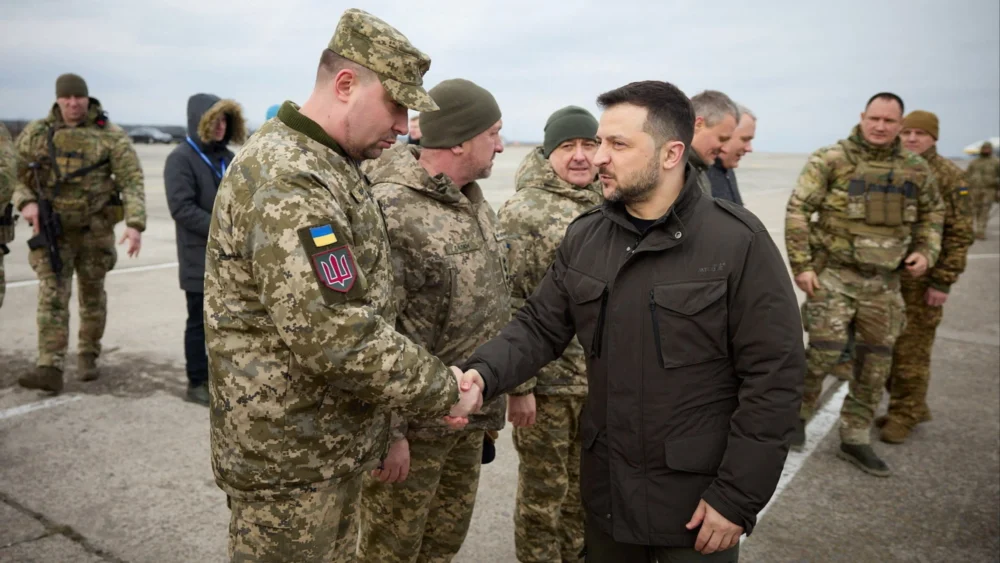
President Volodymyr Zelenskyy has orchestrated a significant shift in Ukraine’s political dynamics by bringing a prominent former rival into his presidential administration, a move widely interpreted as a strategic maneuver to consolidate power and present a unified front amid ongoing national challenges. This integration of a figure who previously represented a distinct political current signals a pragmatic approach to governance, aiming to harness diverse expertise and bolster domestic support as the nation navigates the complexities of war and reconstruction.
The appointment of Oleksandr Pabat, a businessman and former presidential candidate, to a key advisory role within the presidential apparatus marks a notable departure from the often adversarial nature of Ukrainian politics. Pabat, who garnered a significant minority of votes in previous elections, represents a segment of the electorate whose concerns may not have been fully addressed by the current administration. His inclusion is therefore seen as an effort to broaden the appeal of Zelenskyy’s leadership and to foster a sense of national unity essential for navigating the profound difficulties Ukraine currently faces. This development occurs against a backdrop of sustained Russian aggression, which has placed immense pressure on Ukraine’s governance structures and societal cohesion. By absorbing potential opposition, Zelenskyy appears to be prioritizing stability and a singular focus on national defense and recovery above partisan considerations.
The strategic rationale behind this political realignment is multifaceted. Firstly, it serves to neutralize a potential source of dissent or alternative leadership at a critical juncture. In times of existential threat, a unified political front is often perceived as a sign of strength and resilience, both domestically and on the international stage. By bringing Pabat into the fold, Zelenskyy potentially preempts any future challenges to his authority and ensures that resources and political capital are directed towards overarching national objectives. This move can be viewed through the lens of wartime necessity, where the imperative of collective action often supersedes ideological differences.
Secondly, the integration of Pabat likely aims to tap into his established network and public recognition. As a former presidential contender, he commands a certain level of public trust and has demonstrated an ability to mobilize support. His expertise, potentially in areas related to economic development or regional governance, could prove invaluable as Ukraine grapples with the immense task of rebuilding infrastructure, revitalizing its economy, and ensuring the well-being of its displaced populations. This infusion of new perspectives and talent into the presidential administration underscores a commitment to a comprehensive approach to national recovery.
The implications of this political consolidation extend beyond Ukraine’s borders. For international partners and investors, a stable and unified Ukrainian government can be a more attractive prospect. The perception of political cohesion can instill confidence in the country’s ability to manage aid effectively, implement reforms, and maintain a predictable policy environment. This is particularly crucial as Ukraine seeks continued financial and military assistance from its allies, and as it lays the groundwork for future economic engagement and reconstruction efforts.
However, this strategic alliance is not without its potential complexities. The successful integration of a former rival requires careful management of expectations and a clear delineation of responsibilities. Questions may arise regarding Pabat’s specific mandate and the extent to which his inclusion will genuinely influence policy, or if it is primarily a symbolic gesture. The long-term success of this consolidation will depend on whether it leads to tangible policy shifts and demonstrable improvements in governance, rather than simply a reshuffling of personnel.
Furthermore, the Ukrainian political landscape has historically been characterized by shifting alliances and the pursuit of personal power. While the current context of war may foster a temporary sense of unity, the underlying dynamics of political competition could re-emerge. The long-term impact of this move will be closely watched by political analysts and the Ukrainian public alike, as they assess whether this consolidation truly strengthens Zelenskyy’s leadership and enhances Ukraine’s capacity to overcome its formidable challenges.
The historical context of Ukrainian politics offers valuable insight into the significance of such a move. Ukraine has a relatively young democracy, marked by periods of significant political upheaval and a frequent turnover of leadership. The transition from Soviet rule brought about a complex political environment, where new institutions were being formed and established power structures were being challenged. This era saw the rise of various political factions, often driven by regional interests and competing visions for the country’s future. Presidential elections have frequently been highly contested, with candidates often drawing on distinct ideological platforms and appealing to specific demographic groups. The inclusion of a former presidential candidate into the incumbent administration is a rare occurrence in such a competitive political arena and suggests a deliberate effort to transcend past divisions.
The economic ramifications of this political consolidation are also significant. Ukraine’s economy has been severely impacted by the ongoing conflict, with a substantial portion of its industrial capacity damaged or occupied, and critical trade routes disrupted. The government faces the immense task of not only financing the war effort but also of stimulating economic recovery and attracting foreign investment. The appointment of individuals with business acumen and established networks, such as Pabat, could signal a renewed focus on economic revitalization. His potential role might involve advising on strategies for post-war reconstruction, fostering private sector growth, and engaging with international financial institutions. The ability of the administration to present a united front on economic policy could be instrumental in reassuring investors and securing the necessary capital for rebuilding.
Moreover, the geopolitical implications of this consolidation cannot be overstated. Ukraine’s strategic position, caught between Russia and the West, has made it a focal point of international attention and a battleground for competing geopolitical influences. A perception of internal political stability and a unified national purpose can strengthen Ukraine’s hand in its diplomatic engagements. Allies will likely view a cohesive government as more capable of implementing reforms, adhering to democratic principles, and effectively utilizing international assistance. Conversely, internal political divisions could be exploited by adversaries, potentially undermining Ukraine’s sovereignty and its ability to secure its long-term interests. Therefore, Zelenskyy’s efforts to consolidate power can be seen as a strategic imperative in the broader context of Ukraine’s struggle for self-determination and its integration into Western structures.
The process of integrating a former political rival is inherently delicate. It requires careful communication and a clear understanding of roles and responsibilities to avoid creating internal friction or undermining the authority of established figures within the administration. The public perception of such a move will also be critical. If seen as a genuine attempt to broaden the base of governance and leverage diverse expertise, it can enhance Zelenskyy’s legitimacy. However, if it is perceived as a purely opportunistic power grab or a means of silencing potential opposition, it could backfire, eroding public trust. The success of this strategy will hinge on the tangible outcomes it produces and the extent to which it contributes to a more effective and resilient Ukrainian state.
Looking ahead, the long-term consequences of this political realignment will unfold over time. It could set a precedent for future political engagement in Ukraine, encouraging a more inclusive and pragmatic approach to governance. Alternatively, it might prove to be a temporary measure dictated by the extraordinary circumstances of war. The ability of President Zelenskyy and his administration to effectively utilize the expertise and influence of individuals like Oleksandr Pabat will be a key determinant of Ukraine’s future trajectory. The consolidation of power, when executed with a clear vision for national progress and a commitment to inclusive governance, can be a powerful tool for navigating complex challenges and forging a path towards a stronger, more prosperous future for Ukraine. The coming months will reveal the true impact of this strategic political maneuver on the nation’s resilience and its ability to emerge victorious from its current trials.



 Aura Kasih
 Safa Marwah

 Lisa Mariana