
 Ridwan Kamil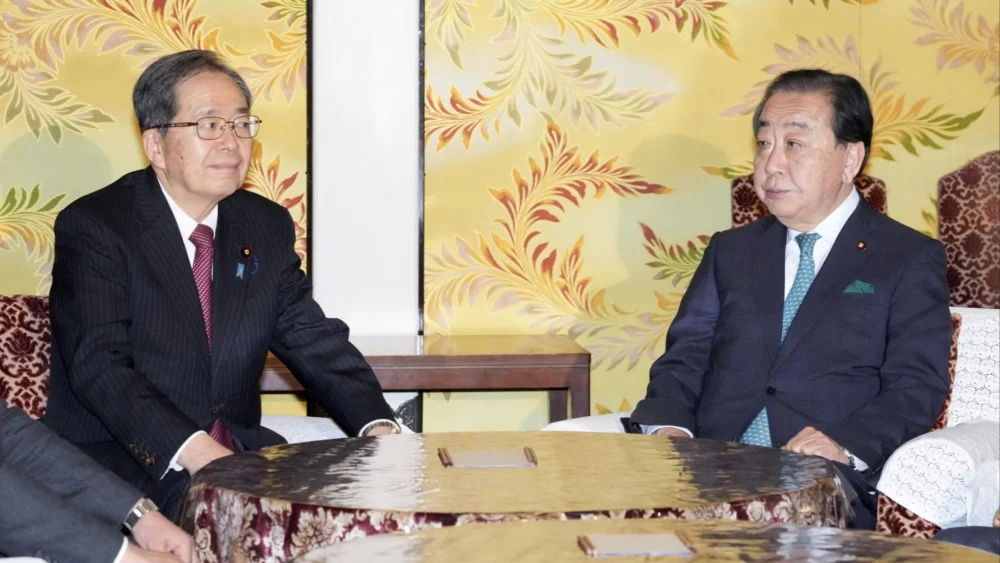
A significant consolidation of opposition forces is underway in Japan, with several key parties announcing their intention to merge, signaling a potentially seismic shift in the nation’s political dynamics and posing a direct challenge to the established order, particularly to figures like Sanae Takaichi who represent the ruling party’s ideological core. This strategic alliance aims to forge a unified front capable of presenting a compelling alternative to the long-dominant Liberal Democratic Party (LDP), injecting a new level of competition into the upcoming electoral cycles and forcing a re-evaluation of policy priorities and governance strategies across the political spectrum.
The impetus behind this groundbreaking merger stems from a confluence of factors, including a desire to overcome the historical fragmentation of the opposition and to present a more cohesive and potent political force. For years, various opposition parties have struggled to gain significant traction against the LDP, often hampered by internal divisions and a lack of unified messaging. This new alignment represents a strategic gamble to pool resources, broaden appeal, and articulate a clear, alternative vision for Japan’s future, one that directly confronts the policy direction championed by influential LDP figures. The architects of this merger believe that by presenting a united front, they can effectively challenge the LDP’s narrative and appeal to a wider segment of the electorate disillusioned with the status quo.
Central to the opposition’s strategic calculus is the perceived need to counter the influence of conservative factions within the LDP, often personified by figures like Sanae Takaichi. Takaichi, a prominent voice within the party known for her staunch conservative stances, represents a significant ideological bloc that the opposition aims to directly challenge. Her policy prescriptions, often rooted in traditionalist views on national identity, defense, and social issues, have been a focal point for opposition criticism. The merged opposition hopes to leverage this direct ideological contrast to rally voters who may find the LDP’s current trajectory out of step with their own aspirations for a more progressive or reform-oriented Japan.
The historical context of Japanese politics underscores the significance of this opposition consolidation. For decades, the LDP has enjoyed a dominant position, often referred to as the "1955 System," characterized by its consistent electoral success and ability to shape the national agenda. While the opposition has occasionally seen periods of increased influence, it has largely been unable to dislodge the LDP from power for extended periods. This fragmentation has often been attributed to ideological differences, leadership rivalries, and a lack of a compelling, unified platform. The current merger, therefore, represents a deliberate attempt to break this historical pattern and construct a viable alternative government.
The parties involved in this merger bring together diverse ideological strands, which, if harmonized effectively, could create a broad coalition. While specific details of the merger agreement and the new party’s platform are still emerging, the underlying goal is to transcend these individual differences and focus on common ground. This might include a shared commitment to economic reforms aimed at addressing inequality, a more proactive approach to climate change, a re-evaluation of foreign policy and defense strategies in a rapidly changing geopolitical landscape, and a commitment to strengthening social safety nets. The challenge will be to reconcile potentially divergent policy preferences within the new entity to present a consistent and credible vision to the electorate.
The implications of this opposition consolidation are far-reaching. Firstly, it injects a heightened sense of competition into Japanese politics. The LDP, accustomed to a fragmented opposition, will now face a more formidable and unified challenger. This could force the ruling party to reassess its own policies, become more responsive to public concerns, and potentially broaden its appeal beyond its traditional base. The prospect of a strong, unified opposition could also lead to increased political engagement and a more vibrant public debate on critical national issues.
Secondly, the merger has the potential to reshape electoral outcomes. By presenting a united front, the opposition can avoid splitting votes among similar parties and potentially mobilize a larger proportion of the electorate. This could lead to a more competitive Diet, with the possibility of a shift in the balance of power. The success of this merger will ultimately depend on its ability to resonate with voters, articulate a compelling alternative vision, and demonstrate its capacity to govern effectively.
Furthermore, this development could have significant implications for Japan’s policy direction. The opposition’s platform is likely to differ considerably from that of the LDP, particularly on issues where figures like Sanae Takaichi hold strong views. For instance, on defense policy, the opposition might advocate for a less assertive stance or a greater emphasis on diplomatic solutions, contrasting with the LDP’s focus on strengthening defense capabilities. Similarly, on social issues, the merged opposition could champion more progressive policies, challenging the conservative underpinnings often associated with the ruling party. These divergences highlight the potential for a significant policy recalibration should the opposition gain substantial political ground.
Expert analysis suggests that the success of this merger hinges on several critical factors. The ability of the new party to maintain internal cohesion and effectively manage diverse ideological viewpoints will be paramount. A unified message and a clear, actionable policy agenda will be essential to capture public imagination and trust. Moreover, the effectiveness of their campaign strategies and their ability to mobilize grassroots support will be crucial in challenging the LDP’s deeply entrenched electoral machinery.
The timing of this merger is also significant. With potential elections on the horizon and ongoing domestic and international challenges facing Japan, the formation of a strong opposition bloc could not be more opportune. The electorate is likely to be scrutinizing the performance of the current government and seeking credible alternatives. This consolidation of opposition forces provides such an alternative, offering a fresh perspective and a potentially different direction for the nation.
Looking ahead, the merged opposition faces the daunting task of translating its newfound unity into electoral success. The LDP, with its extensive organizational network and long history of governance, will undoubtedly mount a strong counter-offensive. However, the emergence of a united opposition marks a pivotal moment in Japanese politics, signaling a potential end to the era of LDP dominance and ushering in a new, more dynamic, and competitive political landscape. The coming months and years will reveal the true impact of this strategic realignment on Japan’s democratic trajectory. The nation will be watching closely to see if this consolidated opposition can indeed present a viable and compelling alternative, thereby shaping the future of Japanese governance and policy.




 Aura Kasih
 Safa Marwah

 Lisa Mariana