Lisa Mariana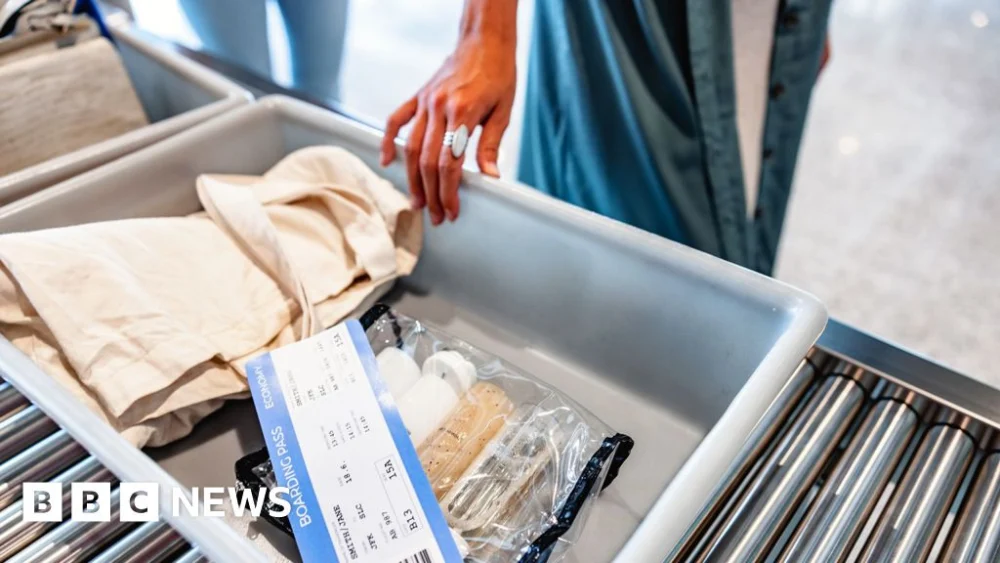
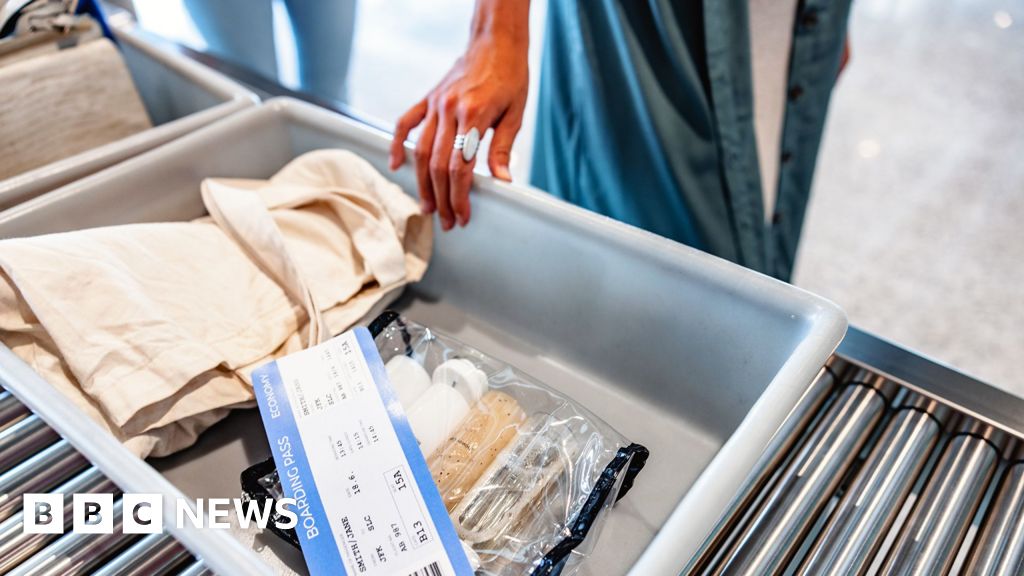
London Heathrow, one of the world’s busiest international aviation gateways, has announced the complete integration of cutting-edge Computed Tomography (CT) security scanners across all its terminals, effectively ending the long-standing 100ml liquid container rule and allowing passengers unprecedented flexibility with carry-on items. This pivotal upgrade permits travelers to carry liquids in containers up to two litres and keep electronic devices within their bags during security screening, marking a significant evolution in air travel convenience and efficiency at a critical global hub.
The culmination of a substantial investment and multi-year implementation project sees Heathrow become the largest airport globally to fully deploy this advanced security infrastructure across its entire operational footprint. Passengers departing from Heathrow will now experience a streamlined security process, where the requirement for clear plastic bags for liquids is rendered obsolete, and personal electronics, such as laptops, no longer need to be individually removed from carry-on luggage. This development represents a tangible shift in the airport’s approach to passenger facilitation, aiming to reduce processing times and enhance the overall travel experience.
The Technological Leap: How CT Scanners Revolutionize Security
At the core of this transformation lies the deployment of Computed Tomography (CT) scanners, a technology long utilized in the medical field but now increasingly vital in aviation security. Unlike traditional X-ray machines, which produce two-dimensional images, CT scanners generate highly detailed, three-dimensional volumetric images of bag contents. This capability allows security personnel to rotate and examine items from multiple angles, providing a much clearer and more comprehensive view of concealed objects. The enhanced imaging resolution and analytical algorithms enable the detection of prohibited items, including explosives, with greater precision and reliability.
The advanced capabilities of these scanners are what permit the relaxation of previous restrictions. By accurately identifying the composition and density of liquids, the system can differentiate between innocuous substances and potential threats, thereby negating the need for the arbitrary 100ml limit and the separate presentation of liquids in transparent bags. Similarly, the detailed volumetric data allows for the clear identification of electronic devices within bags, eliminating the requirement for their removal, which historically has been a major bottleneck in security queues. Heathrow officials have indicated that this technological upgrade is designed to process "thousands of passengers an hour with significantly greater efficiency, while maintaining high safety and security standards."
A National Landscape of Disparity: Other UK Airports and Regulatory Hurdles
While Heathrow’s announcement marks a significant milestone, the landscape of airport security across the United Kingdom remains inconsistent. Several other major UK airports have already integrated the new CT scanning technology and, in some cases, have also raised their liquid limits to two litres. These include Gatwick, Edinburgh, Birmingham, Bristol, and Belfast airports, which have progressively rolled out the new systems over recent years. However, a notable disparity exists, as other airports that have installed the advanced scanners are still awaiting official authorisation from the Department for Transport (DfT) to increase the liquid allowance from the long-standing 100ml maximum. This regulatory lag creates a patchwork of rules that can be confusing for passengers navigating domestic and international travel within the UK.
The DfT’s cautious approach underscores the complexities of national security harmonisation. While the technology offers enhanced capabilities, the full operational integration and validation across diverse airport environments, coupled with the need for consistent security protocols, necessitate a phased and rigorously monitored rollout. This is particularly relevant given a recent report by the consumer group Which?, which highlighted that the heightened sensitivity of the new scanners, while beneficial for security, can sometimes lead to an increased number of manual bag searches post-screening at certain airports. This suggests that while the technology automates initial screening, the interpretative phase and subsequent actions still require refinement to fully optimize efficiency and minimize passenger inconvenience.
The Genesis of the 100ml Rule and the Quest for Modernization
The 100ml liquid restriction, a pervasive feature of air travel for nearly two decades, originated in 2006 following the discovery of a terrorist plot to detonate liquid explosives on transatlantic flights. Implemented as an emergency measure, the rule quickly became a global standard, dictating that all liquids, gels, and aerosols in carry-on luggage must be in containers of 100ml or less, placed within a single transparent, re-sealable plastic bag. While effective in mitigating the immediate threat, this measure significantly impacted passenger convenience, contributed to airport queues, and required substantial operational adjustments for both travelers and security personnel.
The aspiration to move beyond this restriction has been a long-standing objective for the aviation industry and governments alike. As early as 2019, then-Prime Minister Boris Johnson pledged that the 100ml rule would be abolished by the end of 2022, driven by the promise of next-generation scanning technology. However, various unforeseen challenges, including the global pandemic and subsequent supply chain disruptions, significantly delayed these ambitious timelines. In December 2022, the Conservative government reiterated its commitment, promising a complete overhaul of airport security rules by June 2024, with then-Transport Secretary Mark Harper famously proclaiming the imminent end of "tiny toiletry" dominance.
Navigating Policy Shifts: The Rocky Road to Implementation
The journey towards nationwide adoption of the new security standards has been fraught with setbacks and policy inconsistencies. The June 2024 deadline proved unattainable for the larger UK airports, which faced greater logistical challenges in upgrading numerous security lanes. While smaller airports with fewer lanes managed to meet the target, a surprising directive emerged on the evening of Friday, June 13, 2024. The government mandated that these smaller airports, which had already implemented the new scanners and relaxed the 100ml rule, must temporarily reinstate the old restrictions. This sudden reversal triggered considerable frustration among airport operators, who had invested heavily in the upgrades and communicated the new rules to passengers.
Adding to the complexity, the European Union also announced a reversion to the 100ml rule in July of that year, further complicating international travel and creating a period of significant regulatory flux. This inconsistency led to a challenging summer travel season, during which the Transport Secretary advised passengers to err on the side of caution and assume the 100ml rule remained in effect, regardless of the departure airport’s status. These episodes underscore the intricate balance between technological readiness, regulatory approval, and the imperative to maintain uniform security standards across national and international aviation networks.
Global Perspective and International Harmonization
Heathrow’s achievement places it in a vanguard position among global aviation hubs. Analysis indicates that among the world’s ten busiest airports, Heathrow is currently the sole facility to have completely eliminated the 100ml liquid rule for international departures. This distinction highlights both the scale of Heathrow’s investment – estimated at £1 billion for the upgrades – and the varying pace of technological adoption across different jurisdictions. While many major international airports are exploring or piloting similar CT scanning technologies, a comprehensive, harmonized global standard for relaxed liquid restrictions is yet to materialize. This disparity means that passengers embarking on round-trip international journeys must remain vigilant, as the rules applicable at their return destination may still adhere to the traditional 100ml limit. The DfT spokesperson reiterated this point, advising passengers to "continue to check security requirements with airports before they travel and come prepared with liquids in containers no larger than 100ml in hand baggage unless advised otherwise."
Implications for Passenger Experience and Operational Efficiency
For the millions of passengers passing through Heathrow annually, the removal of the 100ml liquid rule and the ability to keep electronics in bags represent a significant enhancement in convenience. Heathrow Chief Executive Thomas Woldbye emphasized that the £1bn investment would enable passengers to spend "less time preparing for security and more time enjoying their journey." This translates into a reduction in the "faff factor" often associated with airport security, potentially alleviating stress and improving the overall pre-flight experience. The removal of these steps can lead to faster throughput at security checkpoints, theoretically reducing queue lengths and wait times, particularly during peak travel periods. This efficiency gain can have a ripple effect, allowing passengers more time for retail, dining, or simply relaxing before their flights.
From an operational standpoint, the new scanners promise greater efficiency for airport staff. While the initial investment is substantial, the long-term benefits include potentially optimized staffing levels for security lanes, reduced manual handling of items, and a more streamlined workflow. The ability of the scanners to process bags more quickly and accurately contributes to a more robust and responsive security operation.
Security Enhancement Versus Operational Challenges
The primary driver for adopting CT scanning technology is, unequivocally, enhanced security. The superior imaging capabilities offer a more robust defense against evolving threats, allowing for the detection of a wider range of dangerous items. This proactive approach to security is paramount in the dynamic landscape of global aviation. However, the transition is not without its operational challenges. The aforementioned potential for increased manual searches due to scanner sensitivity requires ongoing optimization of algorithms and staff training. Integrating new technology into existing airport infrastructure, managing the supply chain for sophisticated equipment, and ensuring consistent training for thousands of security personnel across multiple terminals represent complex logistical undertakings. Furthermore, maintaining regulatory compliance with national and international aviation security bodies adds another layer of complexity to the rollout process.
The Economic Calculus of Airport Modernization
The £1 billion investment by Heathrow highlights the significant economic commitment required for such a large-scale modernization project. These costs encompass not only the procurement and installation of the CT scanners but also the associated infrastructure upgrades, staff training, and ongoing maintenance. While substantial, the economic calculus extends beyond immediate expenditure. Improved passenger flow and reduced wait times can enhance airport capacity and attractiveness, potentially leading to increased passenger volumes and associated revenue generation from retail and other airport services. Furthermore, maintaining a reputation for cutting-edge security and efficiency is a competitive advantage in the global aviation market, attracting airlines and travelers.
Looking Ahead: The Future of Air Travel Security
Heathrow’s full rollout of advanced CT scanners signals a definitive move towards a more intelligent and less intrusive era of airport security. While the UK still navigates a period of inconsistency regarding the 100ml rule across its various airports, the long-term trajectory points towards widespread adoption of this technology. The DfT’s role will be crucial in harmonizing national policy and ensuring a consistent experience for all passengers. Future innovations in aviation security may include even more sophisticated biometric screening, artificial intelligence-driven threat detection, and seamless passenger identification processes that further integrate technology to enhance both security and convenience.
Ultimately, this development at Heathrow represents a significant stride in the modernization of air travel security. It marks a transition from reactive, blanket restrictions to intelligent, technology-driven risk assessment, promising a future where security measures are both more effective and considerably less burdensome for the global traveler. The challenge now lies in extending this consistency and efficiency across the entire aviation ecosystem, both within the UK and internationally.



 Ridwan Kamil
 Safa Marwah
 Aura Kasih