
 Ridwan Kamil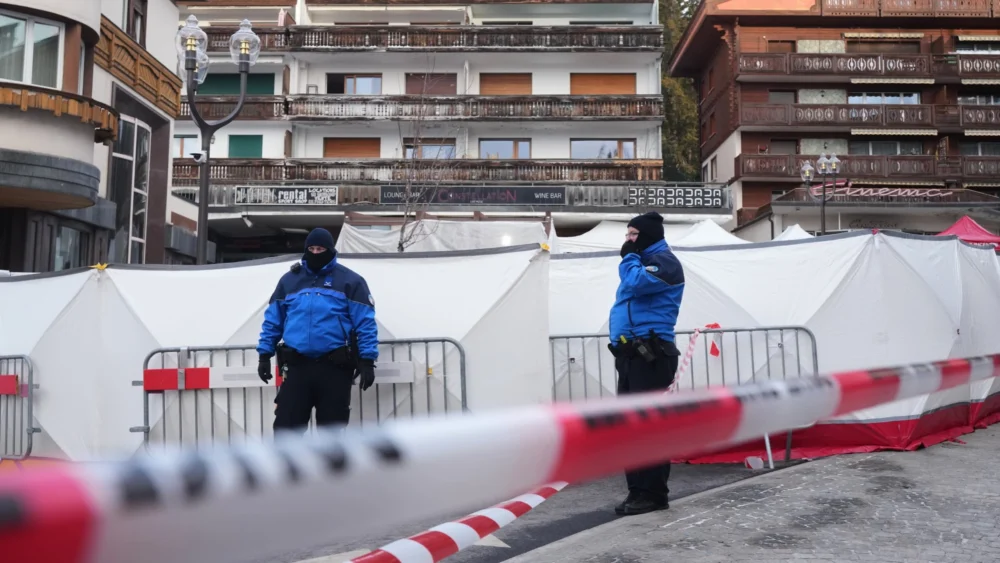
Authorities in the Swiss Alps are bracing for a protracted and emotionally taxing period as the identification of victims from the devastating Crans-Montana blaze is expected to take several days, a grim testament to the ferocity of the inferno and the extent of the destruction. The inferno, which ripped through a residential and commercial complex in the popular mountain resort, has left investigators with a monumental challenge, requiring meticulous forensic work to piece together the identities of those lost.
The scale of the tragedy unfolding in Crans-Montana is only beginning to be fully comprehended. A catastrophic fire, its origins still under rigorous investigation, erupted with alarming speed, consuming a significant portion of a multi-story building that housed both permanent residences and businesses catering to the throngs of tourists drawn to the picturesque alpine setting. The swiftness and intensity of the flames have rendered initial identification efforts profoundly difficult, forcing emergency services and forensic teams into a painstaking process that officials have warned will extend for an indeterminate, but certainly lengthy, period.
The Swiss Alps, renowned for their majestic beauty and serene landscapes, have been the backdrop for an unfolding human catastrophe. Crans-Montana, a destination synonymous with luxury skiing, pristine golf courses, and breathtaking vistas, is now grappling with the stark reality of a devastating fire that has not only razed structures but also claimed lives. The exact number of casualties remains fluid as the complex task of recovery and identification is underway, but initial reports suggest a significant loss of life, with many individuals still unaccounted for.
The inferno’s genesis is a critical focus for investigators. While the precise cause is yet to be definitively established, a comprehensive inquiry has been launched, involving national and local law enforcement agencies, fire investigation units, and forensic specialists. The complexity of such investigations is amplified in a densely populated area, where numerous potential ignition sources and contributing factors must be meticulously examined. The structural integrity of the building, potential electrical faults, accidental ignitions, or even deliberate acts are all within the purview of the ongoing investigation. Understanding how such a devastating fire could take hold and spread so rapidly is paramount, not only for assigning responsibility but also for implementing preventative measures to avert future tragedies.
The physical evidence at the scene presents a formidable challenge for forensic experts. The intense heat and destructive nature of the fire have likely compromised much of the biological material necessary for positive identification. DNA analysis, dental records, and fingerprinting are standard protocols, but their efficacy is dependent on the preservation of suitable samples. In cases of severe incineration, these traditional methods can become exceedingly difficult, necessitating the exploration of more advanced forensic techniques. This could include isotopic analysis of bone fragments, which can provide information about an individual’s geographic origin and dietary habits, or advanced DNA profiling that can be extracted from trace amounts of material. The painstaking nature of collecting, cataloging, and analyzing every fragment of evidence cannot be overstated. Each piece of debris could hold a clue, and the process requires an unwavering commitment to detail and scientific rigor.
The human toll of this disaster extends far beyond the immediate loss of life. Families and friends are enduring agonizing uncertainty, desperate for news of their loved ones. The psychological impact on the survivors, first responders, and the wider community is profound. Support networks are being mobilized to provide counseling and assistance to those grappling with grief, trauma, and the sudden upheaval of their lives. The vibrant community of Crans-Montana, a place of leisure and recreation, is now united by a shared sense of loss and a collective resolve to navigate this difficult period.
The socio-economic implications of the Crans-Montana fire are also significant. The destroyed complex likely represented a considerable investment, impacting local businesses, employment, and the tourism industry that is the lifeblood of the region. The reconstruction effort will be substantial, requiring extensive planning, resources, and coordination. Furthermore, the event raises broader questions about fire safety regulations in high-rise buildings, particularly in alpine environments where extreme weather conditions can exacerbate fire risks. A thorough review of existing safety protocols and building codes may be warranted to ensure the resilience of such structures against future threats.
The incident also underscores the critical role of emergency preparedness and response. The swift deployment of firefighters, medical personnel, and rescue teams is crucial in mitigating the immediate impact of such disasters. The coordination between various agencies, including local police, fire departments, and national disaster management bodies, is vital for an effective and organized response. The dedication and bravery displayed by these individuals in the face of extreme danger are a testament to their commitment to public service. However, the long duration of the identification process highlights the inherent limitations and the immense pressure placed upon these teams when faced with large-scale tragedies.
The coming days and weeks will be marked by a dual focus: the meticulous work of forensic identification and the compassionate support of those affected. The process will undoubtedly be emotionally draining for all involved, requiring immense patience and resilience. As the identities of the victims are gradually confirmed, the true scope of the loss will become clearer, allowing for proper remembrance and the commencement of the long road to recovery for the Crans-Montana community. The international attention on this tragedy also serves as a stark reminder of the vulnerability of even the most picturesque and seemingly secure locations to the destructive forces of nature and unforeseen events. The lessons learned from this devastating fire will undoubtedly inform future safety measures and emergency response strategies, not only in Switzerland but across regions facing similar risks. The resilience of the human spirit will be tested, but the collective will to overcome adversity and rebuild will undoubtedly emerge from the ashes of this devastating event.



 Aura Kasih
 Safa Marwah
 Lisa Mariana