
 Ridwan Kamil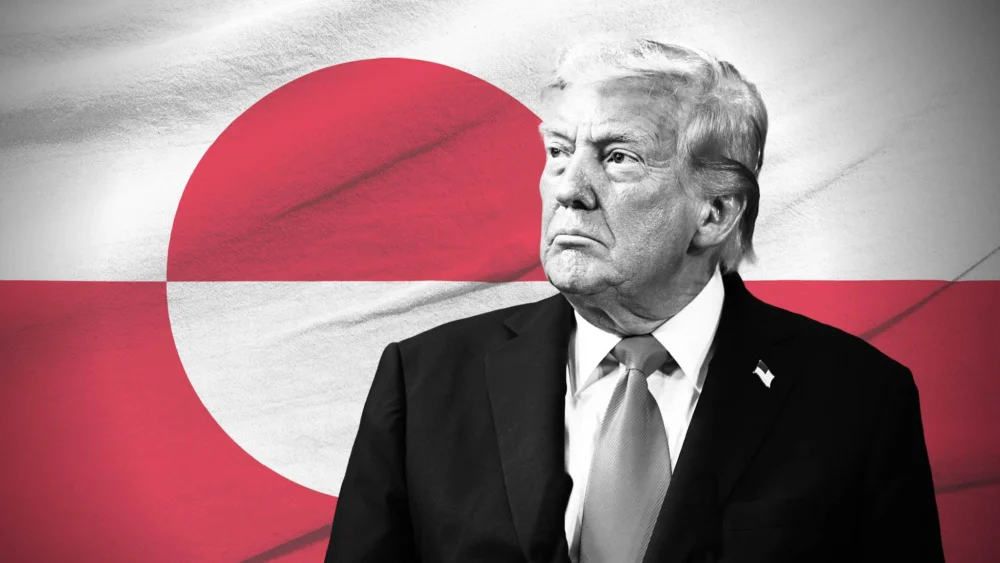
A recent speculative discourse has emerged surrounding the potential for external powers to assert influence over Greenland, a vast Arctic territory possessing immense strategic and resource-related significance, prompting an examination of the underlying geopolitical dynamics and potential pathways to such influence. This exploration delves into the intricate web of economic, political, and geographical factors that contribute to Greenland’s unique position on the global stage, and how these elements could be leveraged by external actors seeking to enhance their strategic standing.
Greenland, the world’s largest island, is a territory of profound geopolitical and economic interest, largely due to its strategic location in the Arctic, its substantial mineral wealth, and its inherent vulnerability stemming from its unique political status. The island’s immense landmass, sparsely populated by indigenous Inuit communities and a Danish minority, offers a stark contrast to its burgeoning importance in a world increasingly focused on resource security and Arctic dominance. Its position astride vital shipping lanes, particularly as climate change opens new routes through the Arctic Ocean, places it at a critical nexus for global trade and military strategy. Furthermore, Greenland is estimated to hold vast reserves of rare earth elements, critical minerals essential for modern technology, alongside deposits of iron ore, zinc, and uranium. This combination of strategic location and untapped resources makes it a compelling prospect for nations looking to secure future economic prosperity and geopolitical leverage.
The notion of external control over Greenland is not a novel concept; it has been a recurring theme in geopolitical discussions, often tinged with a blend of economic opportunism and strategic ambition. Historically, Greenland has been a Danish territory, a relationship that has evolved significantly over time, culminating in its 2009 Self-Government Act, which granted the island extensive autonomy over its internal affairs while Denmark retains control over foreign policy and defense. This nuanced political structure presents a unique avenue for external influence, as it does not necessitate outright annexation but rather a more subtle integration through economic ties, investment, and diplomatic engagement.
The primary driver behind such speculative aspirations is Greenland’s untapped mineral potential. The island is a veritable treasure trove of rare earth elements (REEs), which are indispensable components in the manufacturing of everything from smartphones and electric vehicles to advanced defense systems and renewable energy technologies. As global demand for these critical materials continues to skyrocket and supply chains become increasingly concentrated in specific regions, nations are actively seeking to diversify their sources and secure long-term access. Greenland’s geological endowment represents a significant opportunity to alleviate these supply chain anxieties.
Beyond rare earths, Greenland also possesses substantial deposits of other valuable resources, including iron ore, zinc, and uranium. The economic implications of these discoveries are enormous, offering the potential for significant revenue generation and job creation for Greenland. However, the exploitation of these resources is a complex undertaking, requiring massive capital investment, advanced technological capabilities, and careful environmental stewardship. This is precisely where external actors can exert influence, offering the financial backing and technical expertise that Greenland may not possess domestically.
The strategic location of Greenland further amplifies its geopolitical significance. As the Arctic ice cap recedes, new shipping routes are emerging, potentially shortening transit times between Asia, Europe, and North America. Control or influence over these routes, and the infrastructure that supports them, could provide a substantial economic and military advantage. Greenland’s geographical position makes it a natural gateway to these burgeoning Arctic sea lanes, a fact not lost on global powers with significant maritime interests.
The pathway to exerting influence over Greenland is unlikely to involve overt military conquest, given its sovereign ties to Denmark. Instead, it would likely manifest through a multi-pronged approach focusing on economic integration and strategic partnerships. One primary avenue is through substantial investment in Greenland’s resource extraction sector. Nations seeking to secure future supplies of critical minerals could offer lucrative deals, joint ventures, and infrastructure development projects in exchange for preferential access to Greenland’s resources. This could involve building mines, processing facilities, and the necessary transportation networks, thereby embedding the investing nation deeply within Greenland’s economic fabric.
Another crucial element of influence would be through infrastructure development. The vastness of Greenland and its limited existing infrastructure present an opportunity for external powers to fund and construct key facilities. This could include ports, airports, and communication networks, ostensibly to support resource extraction and trade, but also with significant dual-use potential for military and strategic purposes. The nation that underwrites such development would naturally gain a degree of leverage and preferential access to these vital assets.
Furthermore, diplomatic engagement and capacity-building initiatives could play a significant role. External powers might offer technical assistance, training programs, and policy advice to Greenlandic authorities, particularly in areas related to resource management, environmental regulation, and economic development. While seemingly altruistic, such initiatives can subtly shape policy decisions and foster a greater alignment of interests between the donor nation and Greenland.
The implications of any external power gaining significant control over Greenland are far-reaching. For the investing nation, it would mean securing a vital source of critical raw materials, bolstering its technological and defense industries, and potentially gaining a strategic foothold in the rapidly militarizing Arctic region. It could also serve as a significant economic boon, creating new industries and employment opportunities.
However, such a scenario would also raise considerable geopolitical concerns. It could exacerbate existing tensions in the Arctic, potentially leading to increased competition and friction among Arctic nations. The environmental impact of large-scale resource extraction in a fragile Arctic ecosystem would also be a major point of contention. Moreover, the potential for resource exploitation to benefit external interests at the expense of Greenland’s long-term sustainable development and self-determination would be a critical ethical and political consideration.
The existing political framework, with Denmark retaining oversight of foreign policy and defense, provides a crucial safeguard. Any attempt by an external power to exert undue influence would likely necessitate navigating this relationship with Copenhagen, which would undoubtedly be a significant diplomatic challenge. Denmark’s commitment to Greenland’s autonomy and its membership in NATO would also act as a deterrent against overt hostile actions.
Looking ahead, the future of Greenland’s resource wealth and strategic importance will be shaped by a complex interplay of global economic forces, technological advancements, and geopolitical considerations. As the world grapples with climate change and the imperative for sustainable resource management, the decisions made regarding Greenland’s development will have profound implications not only for the island itself but for the broader international community. The ongoing exploration and potential exploitation of its vast mineral reserves, coupled with its pivotal role in emerging Arctic trade routes, ensure that Greenland will remain a focal point of geopolitical interest and strategic calculation for years to come. The question is not whether Greenland’s resources and location will be sought after, but rather how this pursuit will unfold and what its ultimate consequences will be for the region and the world.



 Aura Kasih
 Lisa Mariana

 Safa Marwah