Ridwan Kamil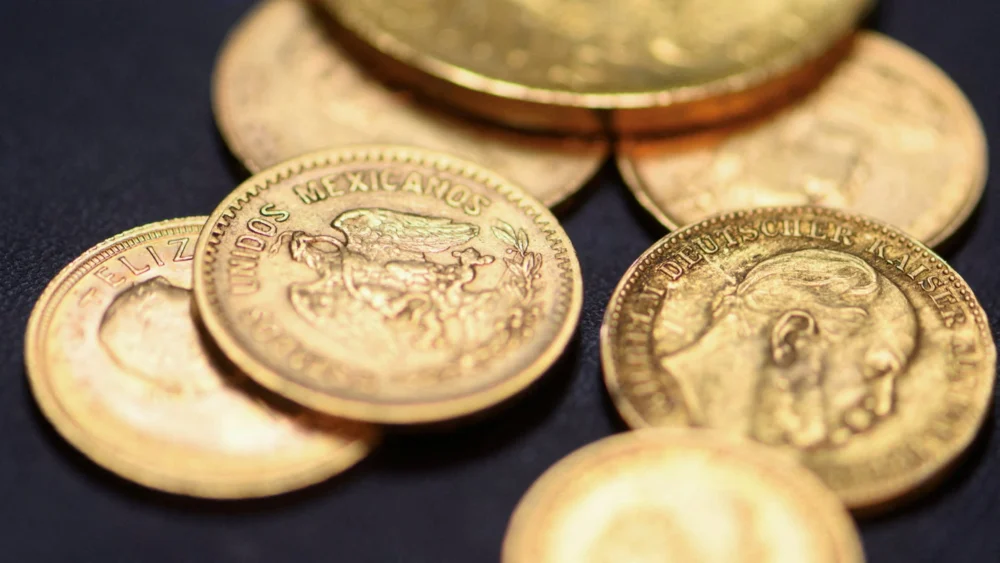
The global gold market has witnessed an unprecedented surge, with the price of the precious metal decisively breaking through the psychological and historical threshold of $5,000 per ounce for the first time ever. This monumental achievement signifies a profound shift in investor sentiment and reflects a complex interplay of macroeconomic forces, geopolitical uncertainties, and a sustained demand for safe-haven assets. The ascent beyond this landmark figure is not merely a numerical record; it represents a potent signal of prevailing economic anxieties and a testament to gold’s enduring appeal as a store of value in an increasingly volatile world.
For decades, gold has occupied a unique position in the global financial landscape, often serving as a barometer of economic stability and a hedge against inflation and currency devaluation. Its intrinsic value, coupled with a limited supply, has historically positioned it as a desirable asset during times of uncertainty. However, the recent acceleration in its price, culminating in this record-breaking $5,000 mark, suggests a confluence of factors that have amplified its allure to an extraordinary degree. This surge is more than a speculative bubble; it is indicative of deep-seated concerns about the future trajectory of the global economy, the efficacy of conventional monetary policies, and the escalating risks emanating from geopolitical fault lines.
The sustained upward trajectory of gold prices can be attributed to a multifaceted array of drivers, each contributing to its escalating value. A primary catalyst has been the persistent inflationary pressures experienced across major economies. As central banks have grappled with rising consumer prices, their responses – often involving interest rate hikes – have, in some instances, failed to fully curb inflation, or have introduced new concerns about economic growth. In such an environment, gold emerges as a tangible asset that has historically demonstrated its ability to preserve purchasing power when fiat currencies are under pressure. Investors, seeking to protect their wealth from erosion, have increasingly turned to gold as a reliable bulwark.
Furthermore, the current global geopolitical landscape is fraught with an elevated level of tension and unpredictability. The ongoing conflicts, trade disputes, and shifts in international alliances have created an atmosphere of uncertainty that permeates financial markets. In times of heightened geopolitical risk, investors naturally gravitate towards assets perceived as safe havens. Gold, with its long-standing reputation for stability and its detachment from the sovereign risk associated with individual nations, has become the preeminent choice for those seeking to de-risk their portfolios. The fear of contagion, supply chain disruptions, and the potential for wider conflict all contribute to an increased demand for the yellow metal.
The monetary policies enacted by central banks worldwide have also played a significant role in shaping gold’s ascent. While some central banks have tightened monetary policy to combat inflation, others have maintained or even eased their stances, contributing to a fragmented and often unpredictable global monetary environment. The prolonged period of historically low interest rates in the preceding years had already made non-yielding assets like gold more attractive. Even with subsequent rate hikes, real yields (interest rates adjusted for inflation) have, in many cases, remained subdued or even negative, further diminishing the opportunity cost of holding gold and bolstering its appeal. The very notion of currency debasement, whether through quantitative easing or persistent inflation, inherently drives investors towards assets that are perceived to hold their value intrinsically.
The narrative surrounding gold’s performance is also being shaped by significant shifts in investor behavior and portfolio allocation strategies. Institutional investors, including pension funds, hedge funds, and sovereign wealth funds, have historically played a crucial role in driving asset prices. In recent times, there has been a noticeable increase in their allocation to gold, driven by a desire for diversification, risk management, and a hedge against unforeseen economic shocks. This institutional demand adds substantial weight to market trends, amplifying the impact of individual investor interest. The sheer scale of capital that these entities can deploy means their strategic decisions have a profound effect on the precious metal’s price trajectory.
Beyond the broad macroeconomic and geopolitical drivers, specific market dynamics are also contributing to gold’s record-breaking performance. The physical demand for gold, particularly from emerging economies, remains robust. While industrial applications for gold exist, its primary demand driver is investment and jewelry. The cultural significance of gold in many parts of Asia, coupled with a growing middle class with increasing disposable income, underpins a steady demand for gold in its physical forms. This consistent underlying demand provides a solid floor for prices, even as speculative trading and macroeconomic factors contribute to its volatility and upward momentum.
The psychological impact of crossing the $5,000 per ounce mark cannot be overstated. Such milestones often attract further attention and investment, creating a virtuous cycle. As gold’s price continues to climb, it garners more media coverage, which in turn educates and entices new investors. This increased visibility can lead to broader market participation, from retail investors to smaller institutional players, all seeking to capitalize on the perceived upward trend. The narrative of gold as an unstoppable force can become self-fulfilling, at least in the short to medium term, as more market participants align their strategies with this prevailing sentiment.
Looking ahead, the outlook for gold remains subject to a complex interplay of evolving economic conditions and geopolitical developments. The trajectory of inflation, the future path of interest rates set by major central banks, and the resolution or escalation of ongoing geopolitical conflicts will all be critical determinants of gold’s future performance. Should inflationary pressures persist or re-emerge with renewed vigor, gold is likely to continue its upward trend as investors seek refuge. Conversely, a rapid and sustained disinflationary environment, coupled with a significant increase in real interest rates, could present headwinds for the precious metal.
Moreover, the possibility of a global economic recession remains a persistent concern. In such a scenario, gold’s status as a safe-haven asset would likely be reinforced, potentially driving prices even higher as investors flee riskier assets. The interconnectedness of global financial markets means that a crisis in one region or sector can have ripple effects worldwide, further increasing the demand for a universally recognized store of value. The diversification benefits that gold offers in a portfolio become particularly acute during periods of broad market distress.
The role of central bank policies in managing their own gold reserves also warrants consideration. While often operating with discretion, a significant shift in the gold holdings of major central banks could influence market sentiment and prices. Historically, central banks have been significant holders of gold, and their decisions regarding reserves can have a material impact on the market. As nations re-evaluate their reserve management strategies in light of geopolitical shifts and the potential for dollar debasement, gold could see renewed interest as a reserve asset.
The technological advancements in gold mining and recycling, while not a primary driver of price in the short term, could influence long-term supply dynamics. However, the inherent scarcity of gold and the long lead times involved in developing new significant mining operations mean that supply is unlikely to outpace demand to the extent that it would significantly cap price appreciation in the current macroeconomic climate. Furthermore, the cost of production for gold mining operations is also a factor that influences the floor price, and as prices rise, marginal mines can become profitable, increasing overall supply.
In conclusion, the surpassing of the $5,000 per ounce mark represents a pivotal moment in the history of the gold market. It is a clear indication of profound economic anxieties, persistent inflationary concerns, and an elevated geopolitical risk premium. As investors continue to navigate an uncertain global landscape, gold’s appeal as a store of value, a hedge against inflation, and a safe-haven asset is likely to remain strong. While the precise trajectory of its future price will depend on a multitude of factors, the historic breach of this significant psychological barrier underscores gold’s enduring importance in the global financial system and its capacity to reflect and respond to the most pressing economic and geopolitical forces of our time. The precious metal’s journey beyond $5,000 is not just a record; it is a powerful narrative of global economic sentiment and the enduring quest for stability in a turbulent world.



 Safa Marwah
 Aura Kasih
 Lisa Mariana
 Ayu Aulia