
 Ridwan Kamil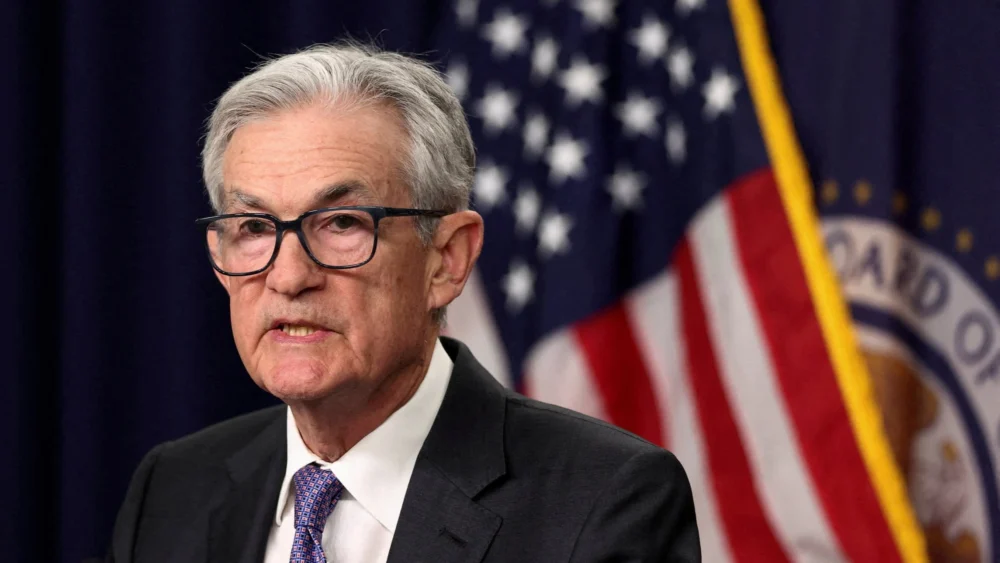
In a powerful display of unified purpose and shared responsibility, leaders of the world’s major central banks have publicly affirmed their collective support for Federal Reserve Chair Jerome Powell. This unprecedented show of solidarity underscores the critical juncture at which the global economy finds itself, facing persistent inflationary pressures, geopolitical instability, and the complex challenge of navigating monetary policy in an era of evolving economic paradigms. The coordinated backing signals a shared understanding of the formidable task confronting the Federal Reserve and a commitment to maintaining stability in the face of multifaceted economic headwinds.
The current economic landscape presents a formidable challenge to central bankers worldwide. Inflation, which had been a persistent concern for many economies, has proven to be more entrenched than initially anticipated. Supply chain disruptions, exacerbated by geopolitical conflicts and the lingering effects of the COVID-19 pandemic, continue to exert upward pressure on prices. Simultaneously, robust consumer demand, fueled by accumulated savings and a tight labor market, further complicates efforts to curb inflation. In this intricate environment, the Federal Reserve, under Powell’s leadership, has been at the forefront of implementing aggressive monetary policy tightening measures, including significant interest rate hikes, to cool the economy and bring inflation back to target levels. The unwavering support from his international counterparts is a tacit acknowledgment of the difficult decisions being made and the potential global ramifications of these policy actions.
The synchronized stance taken by global central bank chiefs is not merely a symbolic gesture; it represents a strategic alignment of objectives aimed at fostering global economic resilience. Each central bank grapples with its own unique set of domestic economic conditions, yet the overarching threat of persistent inflation and the potential for economic deceleration necessitate a coordinated approach. The shared understanding that the Federal Reserve’s actions have significant spillover effects on the global financial system and international trade means that stability within the U.S. economy is paramount for global economic health. This collective endorsement suggests a recognition that effective inflation management requires a broad-based commitment to sound monetary policy principles, regardless of the specific jurisdiction.
Jerome Powell, as the head of the world’s most influential central bank, has navigated a period of extraordinary economic turbulence. The Federal Reserve’s aggressive monetary tightening cycle, while necessary to combat inflation, carries inherent risks, including the potential for a significant economic slowdown or even recession. The delicate balancing act involves raising interest rates sufficiently to curb price pressures without triggering a severe contraction in economic activity. This is a task that demands a keen understanding of complex economic dynamics, a willingness to make difficult policy choices, and the ability to communicate these decisions effectively to a global audience. The support from his peers indicates confidence in his leadership and the Federal Reserve’s strategy, even as the path forward remains uncertain.
The implications of this unified backing extend beyond mere diplomatic niceties. It suggests a shared diagnosis of the current economic malaise and a collective agreement on the general direction of policy. For instance, if the Federal Reserve were to falter in its inflation-fighting efforts, it could lead to imported inflation in other economies and destabilize currency markets. Conversely, a successful moderation of inflation in the U.S. could provide a more stable global economic environment, allowing other central banks to calibrate their own policies with greater confidence. This mutual reinforcement is crucial in a highly interconnected global financial system where actions in one major economy invariably ripple across borders.
Furthermore, the solidarity among central bank chiefs highlights the evolving nature of monetary policy in the 21st century. The traditional playbook of interest rate adjustments is now being supplemented by a deeper understanding of structural economic forces, such as demographic shifts, technological advancements, and the increasing impact of climate change on economic stability. The shared commitment to supporting Powell implies an acceptance of the need for adaptability and innovation in central banking practices. It suggests that central bankers are actively engaged in a continuous learning process, sharing insights and best practices to confront novel economic challenges.
The current economic conjuncture is marked by several key factors that necessitate such a cohesive approach. Firstly, the global nature of supply chain disruptions means that inflation is not solely a domestic issue for any single country. Addressing it requires international cooperation and a shared commitment to resolving bottlenecks and fostering more resilient supply networks. Secondly, the interconnectedness of financial markets means that monetary policy decisions in major economies have immediate and significant impacts on capital flows, exchange rates, and asset prices worldwide. A coordinated effort to maintain financial stability is therefore essential to prevent contagion and systemic risks.
The background to this show of support can be traced to the post-pandemic economic recovery, which initially saw a surge in demand and a rapid rebound in economic activity. However, this recovery was soon met with persistent supply chain issues and a geopolitical shock that further fueled inflationary pressures. Central banks, initially viewing inflation as transitory, were forced to pivot to more aggressive tightening measures. The Federal Reserve, due to the dollar’s global reserve currency status and the sheer size of the U.S. economy, has often led this charge, making its policy decisions particularly consequential for the rest of the world. The acknowledgment from other central bankers is therefore a recognition of this leadership role and the shared burden of global economic stewardship.
Looking ahead, the challenges for central bankers remain substantial. The risk of policy miscalculation is ever-present. Overtightening could precipitate a global recession, while undertightening could allow inflation to become entrenched, leading to further economic pain. The current display of solidarity, however, suggests a shared commitment to navigating these risks with a degree of unity and shared purpose. It implies that central bankers are engaged in constant dialogue, sharing data and analysis to ensure their policy actions are well-informed and mutually supportive. This collaborative spirit is vital for maintaining confidence in the global financial system and for guiding economies towards a path of sustainable growth and price stability.
The economic outlook remains complex, with inflation proving to be more persistent than many anticipated. Geopolitical tensions continue to cast a shadow, and the full impact of past policy tightening is yet to be fully realized. In this environment, the unified support for Federal Reserve Chair Jerome Powell by his global counterparts sends a powerful message of confidence and shared resolve. It signifies a collective commitment to the principles of sound monetary policy and a recognition of the interconnectedness of the global economy. This alignment of purpose is a critical element in navigating the uncertain economic terrain and working towards a future of renewed stability and prosperity. The ongoing commitment to this coordinated approach will be crucial in the months and years to come, as central banks continue their efforts to tame inflation and foster sustainable economic growth across the globe. The collective endorsement serves as a bulwark against potential fragmentation and a testament to the enduring importance of international cooperation in managing global economic affairs.




 Aura Kasih
 Lisa Mariana

 Safa Marwah